In recent years, the demand for eco-friendly products has surged. Many consumers seek sustainable options that align with their values. One popular choice is the cup with straw. This practical item combines convenience and style while promoting environmental consciousness. Choosing the right cup with straw can seem overwhelming with so many options available.
Different materials like stainless steel, silicone, and bamboo have emerged. Each has its benefits and drawbacks. For instance, stainless steel is durable and easy to clean, but some may find it heavy. Conversely, bamboo is lightweight and biodegradable, but may not last as long. Customers often struggle to balance practicality with environmental impact.
As we approach 2026, the market for eco-friendly cups will likely grow. Innovations may introduce even more sustainable materials. However, not every product labeled as “eco-friendly” lives up to its promise. Evaluating the quality and sourcing of these cups can be a daunting task. Therefore, consumers must remain informed and cautious in their choices.
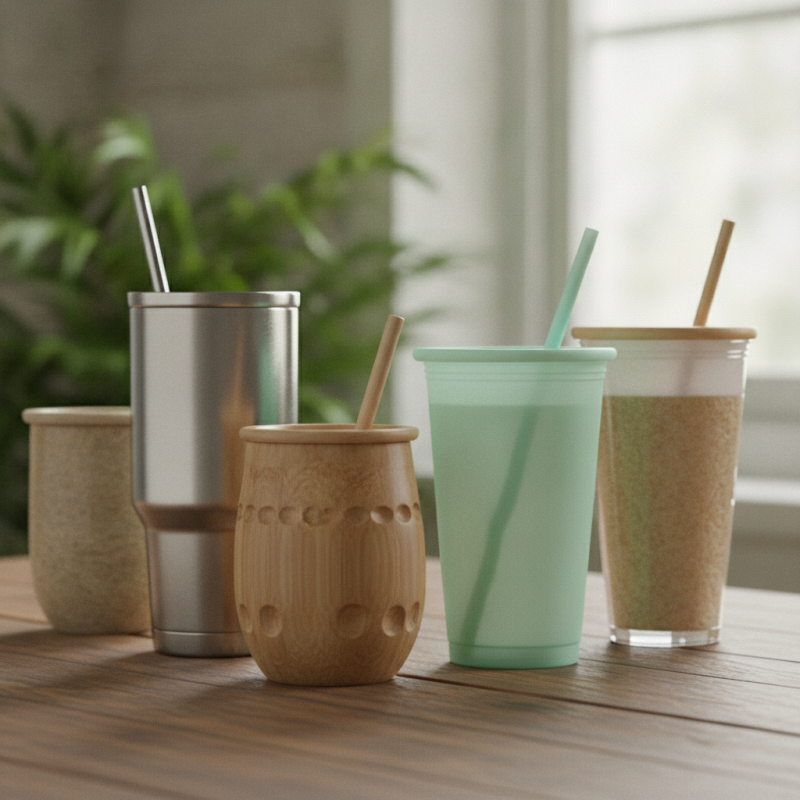
Overview of Eco-Friendly Cup Options with Straws for 2026
As eco-conscious consumers look for sustainable options, the market for eco-friendly cups with straws is expanding. In 2026, many choices prioritize materials that are environmentally safe. Compostable cups made from plant-based fibers are gaining popularity. These cups often degrade within months, reducing landfill waste significantly. They provide a guilt-free alternative to single-use plastics.
Furthermore, reusable options are also leading the way. Stainless steel and bamboo cups featuring silicone straws are great for the environment. They reduce the need for disposable products, ensuring longevity and durability. Many designs come in vibrant colors, making them visually appealing. However, users must commit to cleaning them regularly for hygiene. This responsibility can sometimes be overlooked.
Biodegradable options are another innovative path. These cups might appear like traditional plastic but break down over time. Some are made from recycled materials, offering a circular life cycle. Nevertheless, the effectiveness of these products can vary greatly. Buyers often face challenges in confirming the claims made by manufacturers. Future advancements in material technology may improve these eco-friendly alternatives further.
Materials and Their Environmental Impact in Eco-Friendly Cups
Choosing eco-friendly cups with straws involves understanding their materials and environmental impact. Many options exist, such as bamboo, stainless steel, and biodegradable plastics. Bamboo cups are sustainable, as they come from a renewable resource. They decompose naturally, reducing waste in landfills. However, the production process can sometimes involve chemicals that may disqualify them from being entirely eco-friendly.
Stainless steel is durable and primarily recyclable. It can last for years, minimizing the need for replacements. But its manufacturing has a significant carbon footprint. This is an important trade-off to consider. While stainless steel serves well, its initial environmental cost is high. Biodegradable plastics seem like a good alternative, as they can break down. However, under certain conditions, they may take longer than expected. The effectiveness of these materials often relies on local waste management practices.
Ultimately, eco-friendly options require careful consideration. Different materials present varying pros and cons. It's essential to reflect on the long-term impact of each choice. Emphasizing sustainability means viewing the complete life cycle of the product. Our decisions shape a healthier planet, but they also need constant evaluation.
Top Brands Leading the Eco-Friendly Cup Market
In recent years, eco-friendly cups with straws have gained immense popularity. These products cater to environmentally conscious consumers seeking sustainable alternatives. Not all products are created equal, though. Some brands lead the market with innovative designs that prioritize sustainability.
The top brands focus on using materials that are both recyclable and biodegradable. Stainless steel and bamboo are common choices. This choice reduces reliance on single-use plastics, which harm our planet. However, some options may lack insulation or durability, prompting consumers to reconsider how they use these cups. It’s essential to evaluate if these products meet personal needs effectively.
While many brands push for eco-friendly solutions, not all advertising claims hold true. Transparency is key. Research shows that consumers often receive mixed messages about sustainability. This confusion can lead to unintentional support for brands that do not uphold eco-friendly practices. Buyers should seek certifications or third-party reviews to ensure they make informed choices.
2026 Eco-Friendly Cup Market Analysis
Consumer Reviews and Recommendations for 2026 Eco-Friendly Cups
As eco-conscious consumers seek greener options, the demand for sustainable cups with straws has surged. These cups often feature biodegradable materials, reducing plastic waste. Many users appreciate how these cups fit seamlessly into their daily routines. Reviews indicate that customers enjoy the lightweight design, which makes them convenient for on-the-go lifestyles.
However, not all eco-friendly cups are created equal. Some reviews highlight issues like a lack of durability, with straws breaking or degrading quickly. This feedback is vital for shoppers. It reminds us to be critical of our choices. Not every eco-friendly option meets expectations. Paying attention to user experiences can help buyers select more reliable products.
Additionally, aesthetics play a role. Many consumers want cups that are not only functional but also visually appealing. Color options and unique designs can enhance the overall experience. However, this raises questions about how design impacts sustainability. Striking a balance between form and function is still a challenge that many brands face. Ultimately, informed choices require a blend of user input and careful consideration of environmental impact.
Comparative Analysis: Price, Durability, and Sustainability of Best Cups
When exploring eco-friendly cups with straws, price remains a critical factor. Research indicates that sustainable options can range from $5 to $20. Buyers must weigh their budget against the long-term benefits of durability. The best reusable cups typically outlast their disposable counterparts, often serving well beyond a year with proper care. However, lower-priced options may not always offer longevity, leading to potential waste.
Durability varies significantly among materials. For instance, silicone and stainless steel cups tend to perform better over time. A 2022 industry report shows that stainless steel cups reduce waste by up to 90% compared to single-use plastics. Despite these advantages, some consumers find stainless steel heavy and less portable. There's also the issue of maintenance; these materials require regular cleaning, sometimes deterring users from making the switch.
Sustainability is a broader concept. One study showed that switching to reusable cups with straws can dramatically lower carbon footprints, reducing waste by nearly 50%. However, not all sustainable materials are equal. For example, biodegradable straws can break down but may still contribute to pollution if not disposed of properly. Buyers often face a dilemma: balancing eco-friendliness with practicality. Choosing the right cup involves considering multiple factors beyond just cost. It’s important for consumers to reflect on their habits and make informed decisions.
Conclusion
In 2026, the market for eco-friendly cups with straws is expanding as consumers increasingly prioritize sustainability. This overview examines various materials used in these cups, such as biodegradable plastics, bamboo, and stainless steel, highlighting their environmental impacts. The article discusses top brands that are leading innovations in sustainable cup designs, focusing on their commitment to reducing waste and emissions.
Consumer reviews and recommendations play a vital role in guiding buyers toward the best options. A comparative analysis of price, durability, and sustainability helps consumers make informed choices. Ultimately, the demand for eco-friendly "Cup With Straw" solutions reflects a growing awareness of environmental issues, encouraging both manufacturers and consumers to adopt greener alternatives.

 Santai Plastic