Top Clear Plastic Cups for Wholesale Buyers?

Time:2026-10-16 Author:Oliver
0%

Choosing the right Clear Plastic Cups can influence service speed, presentation, and customer satisfaction. Wholesale buyers often compare more than price. They examine cup clarity, wall strength, rim comfort, stacking efficiency, and packaging consistency. A cup may look attractive in a product photo but feel too thin during real use. That difference matters when staff fill hundreds of drinks each day.

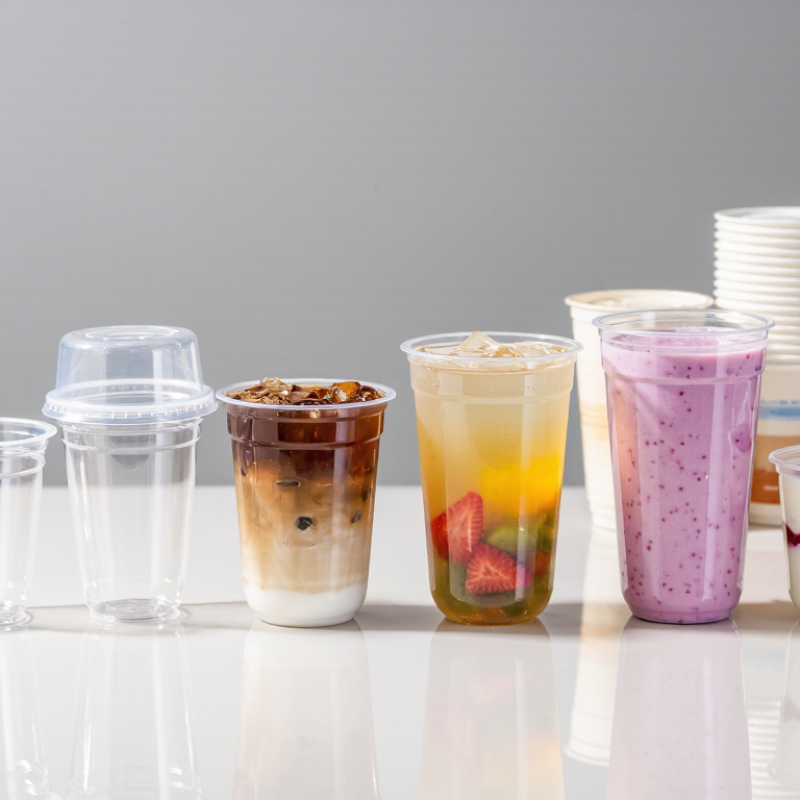
Top Clear Plastic Cups for Wholesale Buyers? The best choice depends on the beverage, serving environment, and purchasing volume. Cold coffee, fruit tea, smoothies, and desserts may require different sizes and thicknesses. Buyers should check whether lids fit securely and whether the cups remain stable during transport. Clear walls also help customers see ice, fruit pieces, and layered colors. Small details sell.

Reliable evaluation requires product samples and documented specifications. Experienced buyers can test leakage, cracking, stacking, and condensation before placing a large order. They should also review material information, food-contact suitability, temperature guidance, and recycling claims with suppliers. Requirements can vary by market, so assumptions create avoidable risk. Ask direct questions.

Cost still matters, but the lowest unit price may not deliver the lowest operating cost. Damaged cups, poor lid fit, and inconsistent cartons can slow service and increase waste. Packaging should arrive clean, dry, and evenly counted. Supplier communication matters too. A dependable supplier explains limitations instead of promising perfection. That honesty is useful.

This guide compares practical options for wholesale purchasing, including common materials, sizes, shapes, and customization choices. Some recommendations may not suit every business. Store conditions, staff habits, and customer expectations can change the result. Test before committing.
Top Clear Plastic Cups for Wholesale Buyers?

What Defines a Wholesale-Ready Clear Plastic Cup?

Top Clear Plastic Cups for Wholesale Buyers?

What Defines a Wholesale-Ready Clear Plastic Cup?

A wholesale-ready clear plastic cup must perform consistently across large orders. Crystal clarity helps customers see drinks, ice, fruit, and layered desserts. However, appearance alone is not enough. A reliable cup needs even wall thickness and a smooth, comfortable rim. Uneven edges can affect sealing and create an unpleasant drinking experience.

Material choice also matters. PET often offers strong clarity and a crisp appearance. PP can handle warmer beverages more effectively, depending on its tested specification. Buyers should review food-contact documentation, capacity measurements, and temperature guidance before ordering. I have seen samples look excellent but fail during stacking or transport. That lesson is easy to overlook.

Tips: Request production samples, not only catalog images. Fill cups with ice and liquid for several hours. Check leaks, deformation, lid fit, and nesting performance. Measure the actual top diameter and volume. Confirm carton strength, quantity accuracy, and batch consistency. Small variations can become expensive at wholesale scale.

A practical cup should also suit its service environment. Lightweight designs reduce shipping costs, but overly thin walls may collapse in busy use. Clear plastic can show scratches easily, especially when cups rub together. This is where testing becomes more valuable than attractive specifications. Wholesale buyers may need to revise their first choice after real handling. That is not a failure; it is part of responsible purchasing.

How to Compare Materials, Sizes, Shapes, and Lid Options

Top Clear Plastic Cups for Wholesale Buyers?

Material choice affects clarity, strength, temperature tolerance, and shipping costs. PET cups offer bright transparency and a crisp appearance for cold drinks. They also resist cracking during busy service. PP cups feel more flexible and handle moderate heat better, but they may look less glass-like. Compostable materials can support specific sustainability goals, yet they often cost more and require careful storage. Check supplier specifications, not just product photos.

Size should match the drink menu and filling routine. Common capacities range from 8 to 24 ounces. A narrow 12-ounce cup can reduce ice movement and improve handling. Wider cups suit smoothies, fruit pieces, and drinks with layered colors. Measure the base diameter before ordering. It must fit your cup holders and sealing equipment. Small differences matter.

Shape changes both appearance and inventory efficiency. Straight walls stack neatly and simplify storage. Tapered cups usually release more easily from nested stacks. Dome lids leave space for whipped toppings or fruit, while flat lids suit simple cold beverages. Choose straw slots carefully; weak openings can split during delivery. I once focused too heavily on cup clarity and overlooked lid fit. That caused avoidable spills. Order samples, test filled cups, and stack them for several days before committing to a large purchase.

Which Cup Features Matter for Different Foodservice Uses?

For wholesale buyers, clear plastic cup selection should begin with the foodservice task. Cold beverages need strong clarity, stable walls, and a reliable rim. A 16-ounce iced drink can become messy when the cup flexes during transport. Choose cups with matching flat or dome lids, especially for smoothies, milk tea, and drinks with toppings. Check the lid fit with real samples. Small gaps can cause expensive spills.

Dessert counters often need wider openings and better presentation. Clear cups should show fruit layers, sauces, or whipped toppings without distortion. A firm base helps staff fill cups quickly and prevents tipping on display shelves. For takeaway orders, stackability saves storage space, while smooth surfaces support faster labeling. Do not judge thickness by appearance alone. Some lightweight cups look strong but collapse under warm hands.

Events and self-service stations may require higher impact resistance and easy handling. A textured exterior can improve grip when condensation collects. For chilled cocktails or flavored water, rim strength matters during repeated refilling. Temperature ratings should match the actual menu, not an assumed use. I have seen buyers select one cup for every drink, then discover that hot contents soften it or ice makes it unstable. That approach seems efficient, but it often creates waste. Test filled cups, lids, stacking height, and transport conditions before placing a large order. Fit matters.

How to Evaluate Suppliers, Pricing, Quality, and Customization

Top Clear Plastic Cups for Wholesale Buyers

Wholesale buyers should judge suppliers beyond the lowest quoted price. Request material specifications, sample photos, and a physical sample before placing a large order. Ask whether the cups are made from PET, PP, or another suitable plastic. Each material behaves differently with cold drinks, heat, lids, and transport.

Check wall thickness, rim strength, clarity, and base stability. Fill a sample cup and carry it for several minutes. Press the rim lightly. A cup that looks clear may still crack under normal handling. Confirm the supplier’s quality process, production capacity, inspection records, and replacement policy. Food-contact documentation matters too. Details should be current and traceable.

Pricing needs careful comparison. A cheaper unit may exclude lids, printing, cartons, or delivery costs. Ask for tiered pricing at several quantities, such as 5,000, 20,000, and 50,000 cups. Confirm minimum order quantities and lead times in writing. Customization can include logos, colors, cup sizes, embossing, and printed measurement marks. Request a digital proof and a production sample. Ink shade can vary between screens and printed plastic. I have seen buyers approve artwork too quickly. That mistake becomes expensive. Allow time for one revision, even when the design seems simple. Supplier communication is evidence of reliability. Slow replies before payment rarely improve after payment.

What Should Buyers Check Before Placing a Bulk Order?

Top Clear Plastic Cups for Wholesale Buyers

Before placing a bulk order, buyers should inspect more than appearance. A clear cup may look sturdy but feel thin during filling. Request samples first. Test them with cold drinks, ice, and a full hand grip. Check the rim for sharp edges, warping, and uneven thickness. These small faults can create leaks or poor customer experiences.

Confirm the cup’s material, capacity, dimensions, and wall thickness in writing. Ask whether the plastic is suitable for the intended food or beverage use. Reliable suppliers should provide current product specifications and relevant compliance documents for your market. Check lid compatibility too. A lid that fits loosely is a costly surprise. Review carton counts, inner packaging, shipping protection, and replacement policies before approving the order.

Tips: Compare samples from at least two suppliers. Measure a filled cup, not just the printed volume. Ask for production tolerances and inspection photos. Confirm the exact sample will match mass production. I once underestimated carton size, and storage became difficult. That mistake was avoidable. Buyers should also calculate breakage, freight, and storage costs, not only the unit price. A lower quote can hide weaker packaging or inconsistent sizing. Keep written records of every approved detail. Small differences become expensive at wholesale volume.

FAQS

Which material is suitable for clear cold-drink cups?

PET provides bright clarity and resists cracking during busy service. PP feels more flexible and handles moderate heat better. Choose based on the actual menu.

What cup sizes are common for wholesale orders?

Common capacities range from 8 to 24 ounces. A narrow 12-ounce cup can improve handling. Measure the base diameter before ordering.

How does cup shape affect storage and presentation?

Straight walls stack neatly and simplify storage. Tapered cups release more easily from nested stacks. Wider shapes display fruit, layers, and colorful drinks well.

Should buyers choose flat lids or dome lids?

Flat lids suit simple cold beverages. Dome lids leave space for whipped toppings or fruit. Test straw slots because weak openings may split during delivery.

What features matter for dessert cups?

Choose wide openings, clear walls, and firm bases. These features show fruit layers and sauces clearly. A stable base reduces tipping on display shelves.

How can buyers test cup quality before a large order?

Fill samples with real drinks and carry them for several minutes. Press the rim lightly. Test lids, stacking height, condensation, and transport conditions.

What supplier details should wholesale buyers verify?

Request material specifications, physical samples, quality records, production capacity, and food-contact documentation. Confirm replacement policies and lead times in writing. Details must be traceable.

How should buyers compare wholesale pricing?

Compare several quantities, such as 5,000, 20,000, and 50,000 cups. Check whether lids, printing, cartons, and delivery are included. The lowest quote may not be the lowest total cost.

What should buyers check before approving custom printing?

Request a digital proof and production sample. Printed colors may differ from screen colors. Allow one revision. I once approved artwork too quickly, and the mistake became expensive.

Conclusion

Choosing the right Clear Plastic Cups for wholesale purchasing requires more than comparing prices. A wholesale-ready cup should offer consistent quality, reliable clarity, suitable strength, and efficient packaging for storage and shipping. Buyers should compare materials such as PET, PP, and other food-contact plastics based on durability, appearance, recyclability, temperature tolerance, and intended use. Capacity, shape, wall thickness, and lid compatibility also influence performance, especially for beverages, desserts, takeout service, catering, and high-volume events.

Supplier evaluation is equally important. Buyers should review production capacity, quality-control procedures, sample consistency, lead times, minimum order quantities, and customization options such as printing, colors, and packaging. Before placing a bulk order, confirm product specifications, measurements, case quantities, delivery terms, and any required food-contact documentation. Requesting samples and testing cup-and-lid fit can help prevent leaks, damage, or mismatched expectations. A careful comparison ensures the selected cups balance functionality, presentation, cost efficiency, and dependable supply.


Oliver

Oliver

Oliver is a seasoned marketing professional with a wealth of expertise in driving brand awareness and engagement. With a deep understanding of our company's product offerings, he consistently delivers high-quality content that enriches our professional blog. His insights not only shed light on......