In recent years, the market for disposable plastic cups has expanded significantly. Experts like Dr. Emily Carter, a renowned packaging specialist, emphasize the growing demand for these products. She stated, “Choosing the right disposable plastic cups can enhance customer experience while reducing environmental impact.”
As global buyers seek high-quality options, a variety of styles and materials are becoming available. The challenge lies in balancing convenience with sustainability. Many consumers have concerns about the environmental effects of single-use plastics. This criticism has prompted manufacturers to innovate.
Observing trends is essential. However, not every product meets consumer expectations. Many disposable plastic cups lack durability or design appeal. Buyers must remain discerning. Effective choices require considering not just price, but usability and sustainability as well. The landscape is complex, and ongoing reflection on these choices is necessary for responsible purchasing decisions.
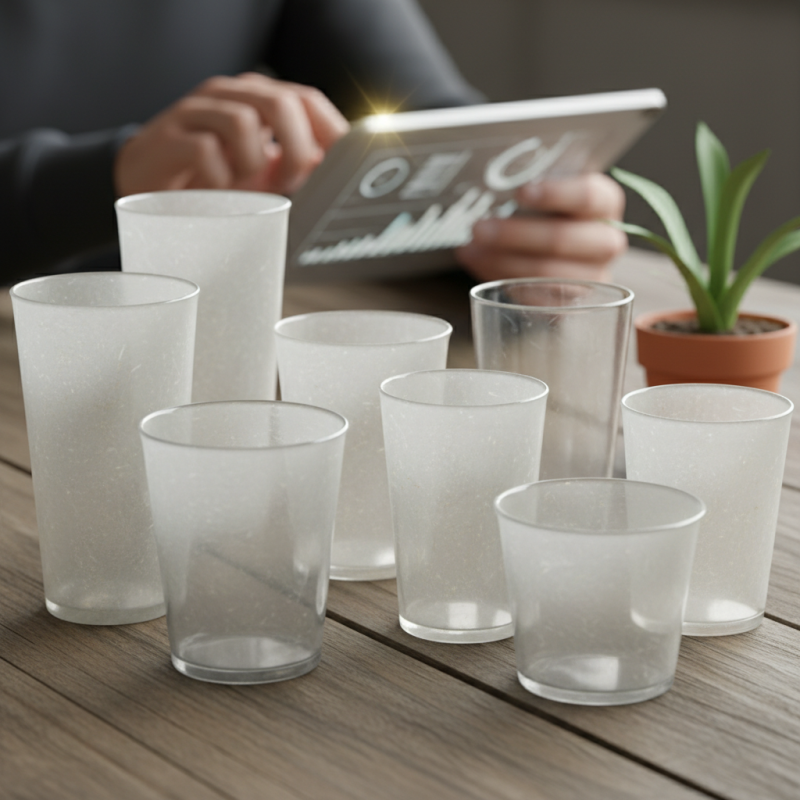
Overview of the Disposable Plastic Cup Market in 2026
The disposable plastic cup market is projected to witness significant growth in 2026. According to recent market analysis, the global demand is estimated to reach over $5 billion by 2026. This surge is driven by increasing consumer preference for convenience and the rise of on-the-go lifestyles. The growing food and beverage industry is a major contributing factor.
However, the market faces challenges. Environmental concerns around plastic waste are becoming more prevalent. Many regions are implementing stricter regulations regarding single-use plastics. As a result, companies are exploring alternatives, such as biodegradable materials and reusable options. In fact, reports indicate a shift towards eco-friendly products, with a potential market share increase of 25% in sustainable alternatives.
Tips: Always check for certifications when purchasing disposable cups. Look for products that are labeled as recyclable or biodegradable. Consider the end-use of these cups to make informed decisions. With a balance of convenience and sustainability, buyers can make impactful choices.
Key Features to Look for in Disposable Plastic Cups
When selecting disposable plastic cups, various key features come into play. One important aspect is material quality. High-quality plastic ensures durability, preventing cracks and spills. Additionally, cup thickness matters. Thicker cups are less prone to collapsing under pressure. Look for options that hold hot beverages too. Not all plastic is heat-resistant.
Another consideration is the design of the cup. Ergonomics are essential. A well-designed rim enhances the drinking experience. The grip should feel comfortable and secure. Some cups feature an interesting texture, which adds to usability. Furthermore, clarity is a bonus. Transparent cups allow the color of the beverage to shine.
Eco-friendliness is gaining attention, though options are limited. Biodegradable plastics can reduce environmental impact. This is an important choice for conscious consumers. However, some biodegradable products may break down too quickly or under specific conditions. It's a trade-off that needs careful thought. Finding the perfect balance can be challenging, yet it is critical for responsible purchasing.
Top Brands and Manufacturers of Disposable Plastic Cups
The demand for disposable plastic cups continues to rise globally, driven by convenience and growing consumer trends. According to a recent market report, the disposable plastic cup market is projected to reach USD 3.2 billion by 2026, highlighting an annual growth rate of 5.7%. This figure reflects significant consumption in various sectors, including food services and catering.
Top manufacturers in this industry are focusing on sustainability and innovation. They are investing in biodegradable materials and designs that reduce environmental impact. This shift is essential, as traditional plastic waste remains a pressing issue. Data shows that around 300 million tons of plastic are produced each year, with a considerable portion ending up in oceans and landfills.
Moreover, quality and safety are paramount. Many manufacturers are adhering to strict industry standards to ensure their products are safe for food use. However, challenges remain in addressing consumer concerns about plastic waste. The responsibility lies in the hands of both manufacturers and consumers to make better choices. The future of disposable plastic cups relies heavily on advancements in material technology and more efficient recycling systems.
Sustainability Trends in Disposable Plastic Cup Production
Sustainability trends in the production of disposable plastic cups are ever-evolving. Manufacturers are now exploring biodegradable options. This shift aims to reduce the environmental impact of single-use products. Bioplastics and recycled materials are gaining traction. They serve as alternatives, bringing hope for a greener future.
Tips: Consider cups made from plant-based materials. They break down more easily than traditional plastics. Furthermore, look for certifications that indicate eco-friendliness.
Innovation in design matters too. Some companies are developing cups that can be reused multiple times before disposal. This feature can significantly lessen waste. However, not all products label their lifecycle well. Consumers must remain vigilant about what they purchase.
Another aspect to reflect on is consumer behavior. Many people still rely heavily on conventional plastic cups. Awareness must increase to drive change.
Tips: Educate yourself and others about the impact of disposable products. Sharing knowledge fosters a collective responsibility toward sustainability.
Global Distribution and Export Strategies for Buyers
In the fast-paced world of disposable plastic cups, global buyers face unique distribution challenges. Importers must navigate various markets with differing regulations and consumer preferences. Understanding local tastes is essential for success. Researching potential markets can reveal valuable insights. For example, some regions prefer eco-friendly options, while others prioritize cost-effectiveness.
Export strategies play a critical role in reaching overseas buyers. Establishing reliable logistics partners ensures timely delivery. Clear communication about product specifications is vital. Misunderstandings can lead to delays and dissatisfaction. It’s crucial to remain adaptable. Different regions may have fluctuating demands. Monitoring trends can help buyers adjust their strategies effectively.
A thorough understanding of compliance is also necessary. Different countries have unique regulations concerning plastic products. Not all buyers may be aware of these rules. Educating them can build trust and credibility. Failing to meet these requirements can lead to significant setbacks. Awareness of market dynamics and legal frameworks can help mitigate risks. Navigating the complexities of global distribution takes diligence and strategic planning.
2026 Best Disposable Plastic Cups for Global Buyers
| Cup Type |
Capacity (ml) |
Material |
Weight (g) |
Price per 100 cups ($) |
Market Availability |
| Standard Disposable Cup |
200 |
Plastic |
6 |
15.00 |
Worldwide |
| Eco-Friendly Cup |
250 |
PLA (Biodegradable) |
5 |
20.00 |
Europe, North America |
| Insulated Cup |
300 |
Plastic |
12 |
25.00 |
Asia, Oceania |
| Party Cup |
400 |
Plastic |
15 |
18.00 |
International |
| Stackable Cup |
150 |
Plastic |
4 |
12.00 |
Global |
FAQS
: The market is growing due to convenience and on-the-go lifestyles. Increased consumer demand for quick solutions supports this trend.
The market is expected to exceed $5 billion in 2026. This shows significant growth from previous years.
Environmental concerns about plastic waste are a major challenge. Stricter regulations on single-use plastics are also impacting the market.
Many manufacturers are investing in biodegradable materials. This aims to reduce the environmental impact of single-use cups.
Consumers need to be aware of the types of cups available. Knowledge helps in making informed choices about sustainability.
Always check for certifications indicating recyclability or biodegradability. These labels guide buyers toward more sustainable options.
Yes, alternatives include biodegradable cups made from plant-based materials. They break down more easily, helping reduce waste.
Multi-use cup designs can help lessen waste significantly. However, not all products clearly indicate their lifecycle.
Many consumers still rely heavily on conventional plastics. Raising awareness about their impact is crucial for change.
Yes, there is a potential increase in market share for sustainable alternatives. Eco-friendly products are becoming more popular among consumers.
Conclusion
The article titled "2026 Best Disposable Plastic Cups for Global Buyers" provides a comprehensive overview of the disposable plastic cup market as it stands in 2026. It details key features that buyers should consider when selecting disposable plastic cups, including durability, design, and eco-friendliness. The article also highlights current sustainability trends in the production of these cups, emphasizing the shift towards biodegradable and recyclable materials, which responds to growing consumer demand for environmentally responsible products.
Moreover, the article discusses the leading brands and manufacturers in the disposable plastic cup industry, shedding light on their innovative approaches and market strategies. It outlines global distribution and export tactics that buyers can utilize to effectively navigate the market. With these insights, the article serves as an essential resource for global buyers looking to make informed decisions in the disposable plastic cup segment.

 Santai Plastic