In an age where sustainability is crucial, **PP plastic straws** stand out as a practical solution for eco-friendly packaging. These straws are made from polypropylene, a recyclable material that offers strength and durability. Many businesses are shifting to PP plastic straws to reduce their environmental footprint. They provide versatility for various beverages while ensuring that quality is maintained.
However, it’s essential to recognize the trade-offs. While PP plastic straws offer a greener alternative compared to traditional plastic, their production still impacts the environment. The recycling options are not always accessible, leading to waste issues. Companies must consider their sourcing practices and lifecycle impacts. Adopting PP plastic straws is a step towards better sustainability but also raises questions about overall environmental responsibility. Continuous improvement is key. Moving toward truly sustainable practices requires a commitment to refinement and enhancement.
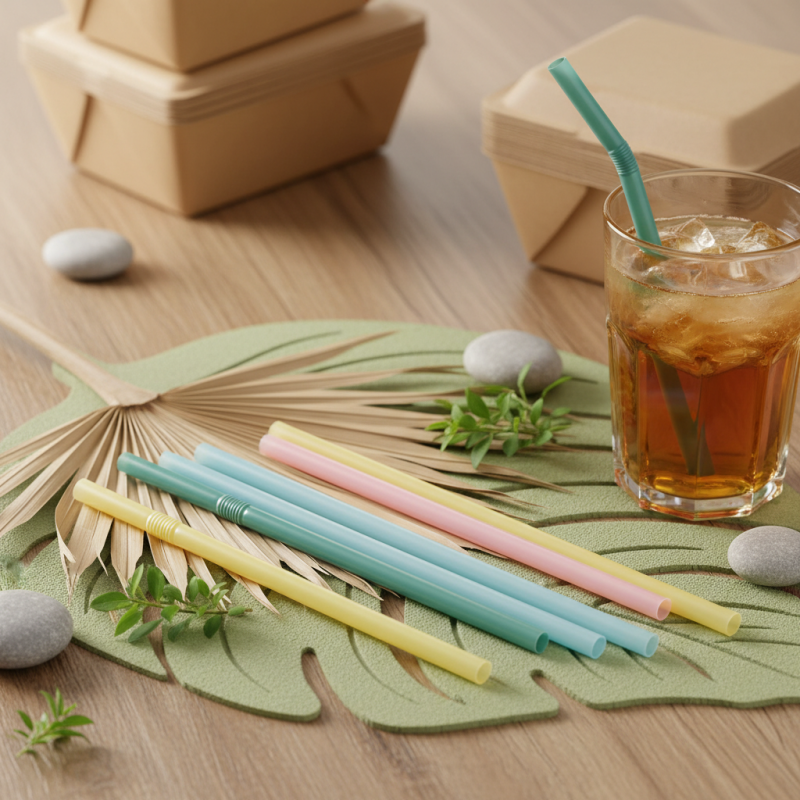
PP plastic straws have gained attention for their eco-friendly features. Made from polypropylene, these straws are recyclable. According to research by the European Bioplastics Association, they can reduce plastic waste when properly disposed of. These straws are durable and can withstand high temperatures, making them suitable for various beverages.
One notable aspect is their recyclability. However, many consumers still throw them away incorrectly. A 2022 study noted that only 9% of plastics are recycled globally. This statistic underscores the importance of educating users about recycling methods. Proper disposal can significantly minimize environmental impact.
Tips: Always look for recycling symbols on straws. Avoid single-use plastics whenever possible. Encourage others to adopt eco-friendly practices. Remember, not all plastics belong in the recycling bin. It’s vital to separate waste correctly to benefit the environment.
In recent years, the shift towards sustainable packaging has led to a rise in the use of PP plastic straws. These straws are made from polypropylene, a versatile and recyclable material. According to a report by the Plastics Industry Association, about 30% of plastic waste comes from single-use items. This underlines the need for eco-friendly alternatives like PP straws.
PP plastic straws offer multiple benefits in sustainable packaging. They are lightweight yet strong, making them easy to transport and less burdensome on logistics. A study from the Environmental Protection Agency shows that recycling polypropylene reduces CO2 emissions by up to 75%. This significant reduction contributes to a smaller carbon footprint in the packaging industry.
Despite their advantages, there are challenges. Not all recycling facilities accept PP plastics, leading to potential waste. This creates an opportunity for improvement in waste management systems. Additionally, consumer awareness of proper disposal methods remains low. Addressing these issues is essential for maximizing the sustainability of PP plastic straws in packaging solutions.
When considering PP plastic straws, a comparative analysis with other eco-friendly alternatives reveals important insights.
PP (polypropylene) straws are lightweight and durable. They can withstand hot and cold beverages, making them versatile for various uses. However, they are still plastic, which raises concerns about environmental impact.
Other alternatives include bamboo, paper, and silicone straws.
Bamboo straws are biodegradable and add a natural touch to drinks. Yet, they can be expensive and are less durable than plastic.
Paper straws tend to lose integrity in liquids, often resulting in soggy experiences. On the downside, silicone options can retain odors and stains, affecting the user experience.
While PP straws offer several practical benefits, they are not without flaws. The environmental footprint of plastic, even PP, cannot be ignored.
Consumers are more informed today, and many prefer sustainable choices.
Balancing convenience with eco-consciousness remains a challenge.
Exploring these alternatives can help create more sustainable practices, yet each option has its limitations that warrant further reflection.
When selecting eco-friendly PP plastic straws, several key considerations come into play. Not all plastic is created equal. Understanding the difference in materials is critical. Look for straws made from recyclable and BPA-free PP plastic. This not only ensures safety but also reduces environmental impact.
The design of the straw matters too. Straws with a flexible design help in reducing plastic waste. They can be reused multiple times. Consider the size and thickness of the straws as well. Thicker straws are better for smoothies, while thinner options suit juices. A mismatched straw can lead to frustration during use.
Lastly, sourcing and manufacturing processes should be transparent. It's essential to choose products from companies that prioritize sustainability. Look for certifications that back their claims. However, some brands may exaggerate their eco-friendly practices. Always scrutinize the information provided. Authenticity is key to making environmentally sound choices.
Innovative PP plastic straws are redefining sustainable packaging solutions. They offer versatility while minimizing environmental impact. The lightweight nature of these straws makes them easy to transport. They provide effective solutions for businesses looking to reduce their carbon footprint.
Designing eco-friendly packaging with PP plastic straws involves creativity and functionality. Many companies now focus on biodegradable materials. This shift helps align with consumer demands for sustainability. Straws can be made in various colors and shapes, improving their appeal. Bright colors attract attention, making them perfect for marketing.
Tips: Consider using locally sourced materials to reduce transportation emissions. Collaborate with designers who specialize in eco-friendly products. Experiment with new designs to find what resonates best with your audience. Not every design will succeed on the first attempt, but the trial process is essential for innovation. It’s important to track feedback and adapt accordingly, which can lead to improved products in the long run.
: They are lightweight, durable, and can handle hot and cold drinks.
Alternatives include bamboo, paper, and silicone straws, each with their own pros and cons.
Bamboo straws are biodegradable but tend to be less durable than plastic ones.
Paper straws may lose structural integrity in liquids, leading to soggy experiences.
Yes, silicone straws can retain odors and stains, affecting user experience.
Choose recyclable, BPA-free straws and consider their design for multiple uses.
The right design reduces plastic waste and ensures the straw fits the beverage appropriately.
Scrutinize sourcing practices and look for credible certifications to confirm eco-friendly claims.
Thicker straws are ideal for smoothies, while thinner ones work better for juices.
Yes, not every design will work on the first try. Feedback is key for innovation.
Pp plastic straws have emerged as a popular choice for eco-friendly packaging solutions due to their sustainable features. These straws are not only lightweight and durable, but they also offer a more environmentally responsible alternative compared to traditional plastic straws. The benefits of using Pp plastic straws in sustainable packaging include their recyclability and reduced environmental impact, making them a favorable option for businesses looking to enhance their eco-conscious practices.
In the comparative analysis of Pp plastic straws against other eco-friendly alternatives, it becomes evident that while many options exist, Pp plastic straws excel in terms of functionality and user experience. Key considerations when selecting Pp plastic straws involve evaluating factors such as material quality, design aesthetics, and overall sustainability. Furthermore, innovative designs of Pp plastic straws can contribute significantly to effective and attractive sustainable packaging solutions, supporting businesses in their quest for eco-friendliness.

Santai Plastic