How to Choose the Best Pla Straws for Your Business Needs?

Time:2026-06-01 Author:Ethan
0%

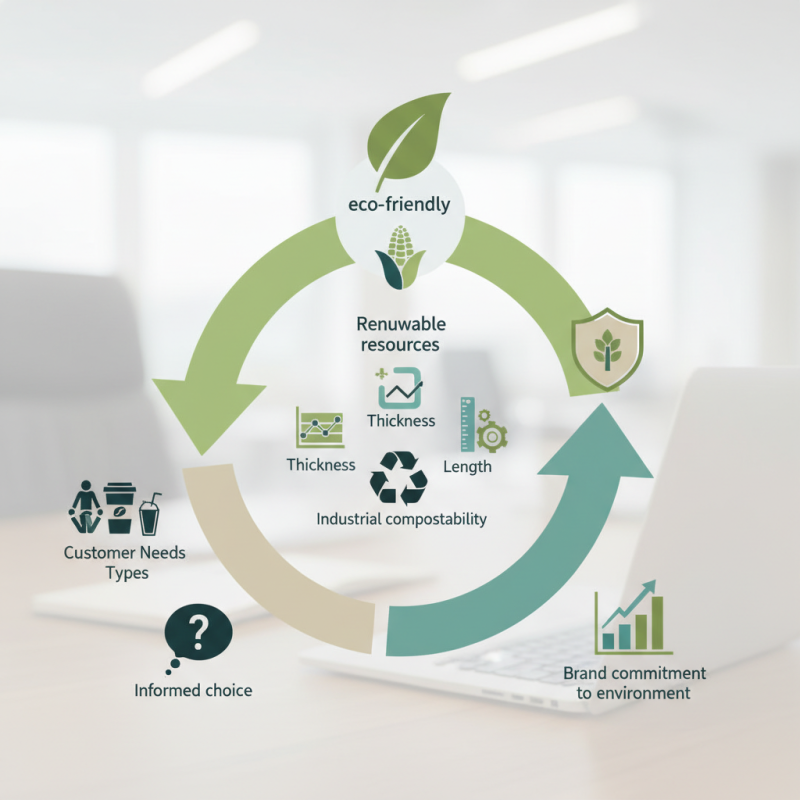
Choosing the right PLA straws for your business is a significant decision. As Daniel Green, a leading expert in sustainable packaging, states, “Selecting the right straws can elevate your brand's commitment to the environment.” This highlights the importance of making an informed choice that aligns with your business goals.

PLA straws are increasingly popular due to their eco-friendly nature. They are made from cornstarch, a renewable resource, making them biodegradable. However, not all PLA straws are created equal. Various factors influence their quality and usability. This includes the thickness, length, and whether they are compostable in industrial facilities. Businesses must consider these details carefully.

While the market offers a wide range of options, it can be overwhelming. Some PLA straws may not perform well in all beverages. Others may lack the structural integrity needed for thicker drinks. It’s crucial to reflect on what your customers expect. A thoughtful approach will ensure that your choice of PLA straws meets their needs while supporting sustainability.
How to Choose the Best Pla Straws for Your Business Needs?

Understanding PLA Straw Composition and Environmental Benefits

PLA straws, made from polylactic acid, offer a sustainable alternative to traditional plastic. Understanding their composition is essential for making informed choices. PLA is derived from renewable resources like corn starch. This bioplastic is biodegradable and can break down in industrial composting facilities. However, it requires specific conditions to decompose effectively, which not all environments can provide.

Choosing the right PLA straws can enhance your brand's sustainability profile. Look for straws that are certified compostable. This ensures they meet environmental standards. The color and thickness of the straws can impact their strength and usability. Thicker straws are often better for smoothies or shakes. They can minimize spillage and enhance customer satisfaction.

Consider your business needs. Do you serve cold drinks or hot beverages? PLA straws are mostly suitable for cold drinks. Hot liquids can weaken the structure, leading to leaks. Test different options to see what works best for your offerings. Selecting the right PLA straws is crucial for both environmental impact and customer experience.

Evaluating PLA Straw Durability and Performance Standards

When evaluating PLA straw durability, consider the material’s strength and flexibility. PLA, or polylactic acid, is a biodegradable plastic derived from renewable resources. While generally strong, PLA straws can weaken under high temperatures. Ensure they meet your business needs.

Testing is crucial. Conduct real-life trials with different beverages to assess performance. Look for signs of deterioration, especially with hot drinks. Some straws may bend or break, affecting user experience. Make adjustments based on feedback.

Tips for selection: Choose straws that offer both durability and eco-friendliness. Check the specifications for temperature resistance. Consider the thickness, as it impacts the straw's lifespan. Don’t forget to think about your customers. Their preferences matter. Engaging with them can lead to better choices.

Comparing PLA Straws to Other Biodegradable Alternatives

When selecting biodegradable straws for your business, it's essential to compare PLA straws with other alternatives. PLA, derived from cornstarch, offers a sturdy and environmentally friendly option. However, it’s crucial to know their limitations. They can be less durable in hot beverages. This can lead to dissatisfaction among customers.

Other biodegradable options include paper straws and those made from bamboo. Paper straws are compostable but may become soggy with time. Their texture may not appeal to everyone. Bamboo straws, on the other hand, are reusable but require proper maintenance. They can also come at a higher price point. Each alternative has unique pros and cons that should align with your business needs.

Consider your customer base when making a choice. Do they value sustainability over functionality? Or do they prioritize convenience? Striking a balance is key. Keep in mind that switching to a biodegradable option may require adjustments in your supply chain. This transition can be a journey filled with learning and adaptation.

Analyzing Cost-Effectiveness of PLA Straws for Businesses

When evaluating the cost-effectiveness of PLA straws for your business, consider the balance between environmental impact and budget. PLA straws are made from plant materials, making them a biodegradable alternative to plastic. This can resonate well with eco-conscious consumers, potentially boosting your brand image. However, it's essential to analyze the cost differential. PLA straws may have higher upfront costs compared to traditional plastic options.


Tips: Calculate usage rates to understand your needs. If your business sees high straw usage, bulk buying may reduce overall costs. Additionally, track your customer feedback. Are they willing to pay more for sustainable options? This insight can guide your procurement strategy.


Another factor to consider is the durability of PLA straws. They perform well with cold beverages but may not hold up with hot liquids. This limitation can affect customer satisfaction. Take the time to test various brands to find the right fit for your product offerings. It’s important to reflect on the trade-offs between quality and sustainability.


Tips: Consider your beverage offerings when choosing straws. Ensure that you match the straw type to the intended use. This attention ensures a better customer experience and can lead to repeat business.

Identifying Industry Trends and Consumer Preferences in Straw Choices

In today’s sustainable market, understanding consumer preferences is critical for selecting the right PLA straws. Recent data indicates that over 70% of consumers prefer eco-friendly products. This shift highlights the increasing demand for biodegradable materials, especially among younger demographics. The interest in sustainable alternatives is not merely a trend; it reflects deeper societal values. Businesses must prioritize products that align with these values to attract conscientious consumers.

Moreover, industry reports show that 60% of food and beverage establishments are transitioning to biodegradable options. However, not all PLA straws meet quality expectations. Some consumers report issues with durability and usability compared to traditional plastic straws. Operators should examine certifications and specifications carefully. They may encounter challenges when sourcing high-quality straws that satisfy both environmental goals and practical needs. Balancing sustainability with functionality requires thorough research and testing.

Additionally, understanding the nuances of consumer demographics is vital. Surveys suggest that millennials and Gen Z are more likely to criticize businesses perceived as environmentally unfriendly. Companies that provide transparent information about their product sourcing and lifecycle contribute to building consumer trust. Constant engagement and feedback can also help businesses refine their offerings. As preferences evolve, a commitment to adapting is essential for long-term relevance in the hospitality and retail sectors.

FAQS

: What is PL

straw made of?

How does temperature affect PLA straws?

PLA straws can weaken under high temperatures, impacting their durability and performance.

Why is testing important for PLA straws?

Testing ensures the straws perform well with different beverages and helps identify issues like bending or breaking.

Are PLA straws more expensive than traditional plastic straws?

Yes, PLA straws often have higher upfront costs. Analyze your budget carefully before purchasing.

How can businesses reduce costs for PLA straws?

Businesses can buy in bulk to lower overall costs. Track usage rates to determine needs effectively.

What should businesses consider when choosing PLA straws?

Consider the thickness, durability, and intended use of the straws. These factors impact customer satisfaction.

How do consumer preferences impact straw choices?

Over 70% of consumers prefer eco-friendly products. This trend influences business decisions on straws.

What challenges exist in sourcing high-quality PLA straws?

Not all PLA straws meet quality expectations. Some may not perform as well as traditional options.

How important is consumer engagement for businesses?

Engaging with consumers helps refine products and build trust. Their preferences can change over time.

What demographics are most concerned with sustainability?

Millennials and Gen Z are particularly critical of businesses that lack environmental responsibility.

Conclusion

When selecting PLA straws for business needs, it's essential to first understand their composition and the environmental benefits they offer. PLA, or polylactic acid, is a biodegradable material derived from renewable resources, making it an eco-friendly alternative to traditional plastic. However, businesses must also evaluate the durability and performance standards of PLA straws to ensure they meet consumer expectations during use.

In addition to assessing their environmental impact, comparing PLA straws to other biodegradable alternatives is crucial for making informed choices. This includes analyzing the cost-effectiveness of PLA straws, as businesses aim to balance sustainability with budget constraints. Finally, staying updated on industry trends and consumer preferences is vital for aligning product offerings with market demands, ensuring that the chosen PLA straws not only serve environmental goals but also satisfy customer needs.


Ethan

Ethan

Ethan is a seasoned marketing professional with a deep expertise in our company's innovative product line. With a passion for sharing knowledge and insights, he takes the lead in regularly updating our corporate blog, where he explores industry trends, product features, and effective marketing......