Choosing the right Pp Plastic Cups for your business can significantly impact your operations. The market is flooded with options, making the selection challenging. Understanding your specific needs is key. Quality, cost-effectiveness, and design are vital factors to consider.
Effective use of Pp Plastic Cups can enhance customer experience. Their lightweight nature contributes to convenience. However, not all Pp Plastic Cups are created equal. You must evaluate their durability and environmental impact. Many consumers today prefer eco-friendly options, even in disposable products. This preference can guide your choice and improve your brand image.
In this journey, gather insights from industry experts. Look for reliable sources and reviews. Some Pp Plastic Cups may not withstand heat, affecting the drink quality. A lack of thorough research can lead to costly mistakes. Reflecting on these aspects will help you make informed decisions that align with your business goals.
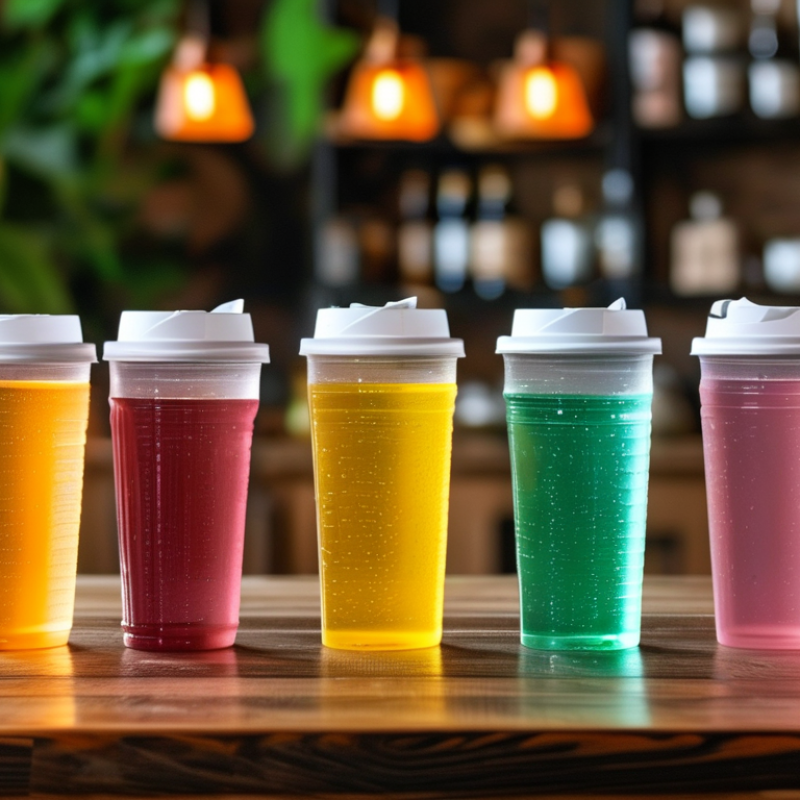
When selecting the right PP plastic cups for your business, understanding the various options available is crucial. Polypropylene (PP) cups come in numerous types suited for different uses. Two main categories are disposable and reusable cups. Disposable cups are typically lightweight and affordable, perfect for events or large gatherings. In 2022, the global disposable cups market was estimated at around $18 billion, reflecting their popularity among consumers.
Reusable PP cups offer sustainability benefits. They are designed to withstand multiple uses, making them an eco-friendlier choice. These cups are often thicker and more durable, which may enhance the user’s experience. According to research from a market analysis firm, reusable containers can reduce waste by up to 30% compared to single-use items. However, they require proper cleaning and maintenance, a point that needs careful consideration.
The choice between these options also involves weighing cost versus utility. Disposable cups may seem cheaper initially, but their long-term cost could rise with continuous purchases. In contrast, reusable options typically have higher upfront costs but offer durability that could save money over time. Balancing initial investment against future savings can be a complicated decision. Each business needs to evaluate what aligns best with its values and operational needs.
| Cup Type | Capacity (ml) | Thickness (microns) | Usage | Recyclability |
|---|---|---|---|---|
| Clear Cold Cups | 250 | 200 | Cold Beverages | Yes |
| Frosted Cups | 300 | 250 | Cold Drinks, Desserts | Yes |
| Sip-Through Lids Cups | 350 | 300 | Smoothies, Milkshakes | Yes |
| Clear Disposable Cups | 500 | 300 | Parties, Events | Yes |
| Hot Cups with Lids | 450 | 400 | Hot Beverages | Yes |
: Quality and safety standards ensure the cups are safe for drinking and suitable for food contact.
Look for BPA-free labels and certifications that confirm they meet safety regulations.
The manufacturing process, including guidelines and sourcing practices, impacts chemical leaching and cup durability.
Check the cup's thickness, sturdiness, and leakage resistance for a better user experience.
PP cups are recyclable, but many facilities do not accept them, leading to increased landfill waste.
The production generates greenhouse gases and involves raw material extraction, affecting the carbon footprint.
Encourage proper recycling and create programs that support recycling initiatives for better environmental practices.
Consider your beverages and audience; larger cups suit iced drinks while smaller ones work for espresso.
Test various sizes, monitor sales trends, and gather feedback from your team about customer preferences.
It encourages sustainable practices and helps reduce environmental impact, leading to better choices overall.
When selecting the best PP plastic cups for your business, it is crucial to understand the variety of options available and their specific applications. Different types of PP plastic cups come with distinct features, which should be matched to your business needs. Evaluating their quality and safety standards is essential to ensure compliance and consumer trust. Additionally, considering the environmental impact of using PP plastic cups can inform your sustainability practices and corporate responsibility.
Moreover, determining the correct size and capacity of cups is vital for operational efficiency and customer satisfaction. Lastly, comparing costs and suppliers will help optimize your purchasing decisions, ensuring you get the best value for your investment in PP plastic cups. By taking these factors into account, businesses can make informed choices that enhance their service quality while being mindful of environmental and economic implications.

 Santai Plastic