How to Choose Disposable Plastic Products in 2026?

Time:2026-11-16 Author:Aria
0%

Choosing disposable plastic products in 2026 means matching each item to its actual job, not simply choosing the lowest-priced carton. A cold salad, steaming soup, and greasy takeaway meal place different demands on a fork, cup, or container. Check intended temperature, food-contact suitability, lid fit, wall strength, and storage requirements. Small details matter. A loose lid can leak inside a delivery bag, while a brittle fork may fail beside a dense grain bowl.

Ellen MacArthur, founder of the Ellen MacArthur Foundation and a prominent circular-economy advocate, has urged businesses to “rethink the way we make, use and reuse plastics.” That perspective is useful when comparing Disposable Plastic products: consider material, packaging information, supplier documentation, and realistic end-of-life options for your location. Recycling symbols alone do not guarantee that an item will be accepted by local collection systems. Nor does a compostable label automatically make a product suitable for every disposal route. The right choice depends on the food, service conditions, customer expectations, and available waste infrastructure. This guide will examine those factors, along with cost, quality, and practical alternatives. Some decisions remain imperfect. A lighter product may reduce material use but feel less sturdy in hand. Buyers should test samples under real conditions and ask suppliers clear questions before ordering at scale.
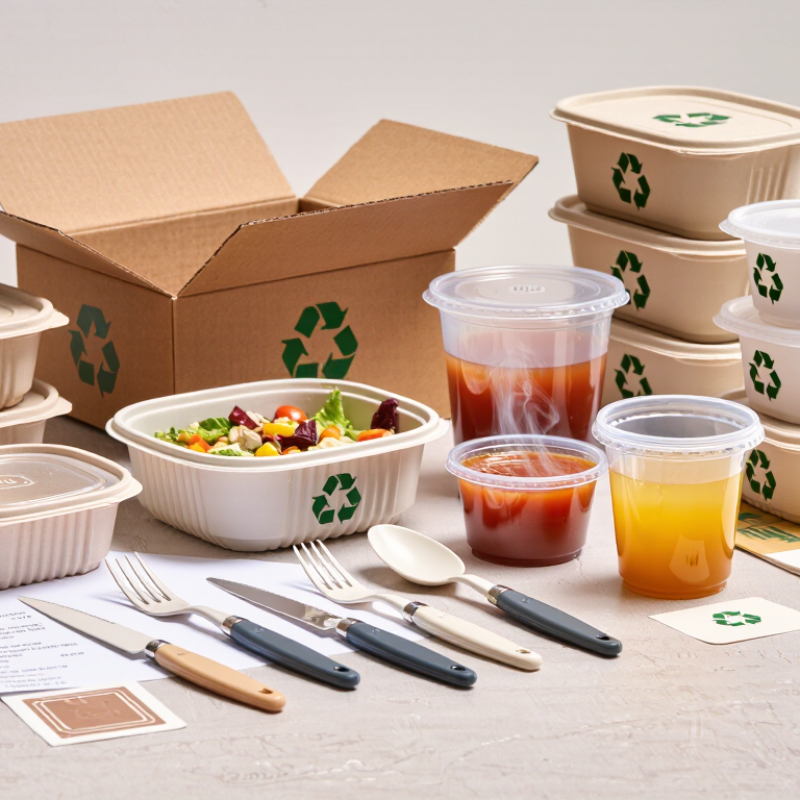
How to Choose Disposable Plastic Products in 2026?

Identify the Intended Use and Required Product Specifications

How to Choose Disposable Plastic Products in 2026?

Identify the Intended Use and Required Product Specifications

Start with the task, not the product category. A cold dessert cup has different needs from a container holding warm soup. Note the contents, serving size, temperature, and expected time in use. For food contact, confirm that the product is intended for that application and request clear material and temperature information. Avoid guessing from appearance; two similar-looking containers may perform differently.

Write down practical specifications before comparing options. Check capacity, rim or lid fit, wall thickness, rigidity, and resistance to leaks or bending. For example, a 500-milliliter container may hold the right portion but still spill if its lid does not seal securely. Consider storage space and how products will be handled. Small details matter. A checklist helps, though it can miss real handling conditions.

Compare Plastic Types, Food-Safety Standards, and Regulatory Compliance

Choosing disposable plastic products starts with the food and serving conditions. PET is common for clear, cold-food containers; polypropylene often suits hot foods, but not every PP item is microwave-safe. HDPE is durable for certain tubs and lids. These are tendencies, not approvals. Resin codes identify polymer, not food-contact compliance.

Check the product’s intended food type, temperature, and contact time. Ask for documentation showing compliance with the rules in your sales market, such as relevant US FDA food-contact requirements or EU Regulation 10/2011. Migration testing should reflect realistic use, including hot or fatty foods when applicable. A neat-looking certificate may not cover your exact application. Verify its scope.

Environmental claims need equal care. The OECD’s Global Plastics Outlook (2022) estimates that only 9% of plastic waste was ultimately recycled in 2019. Resin choice alone cannot guarantee recycling; local collection and sorting matter. Compare material specifications, test reports, and disposal options side by side. In practice, one detail is easy to miss: a container may perform well with a chilled salad yet deform or fail with hot soup. Test the actual product, not just the resin name.

Assess Durability, Functionality, and Compatibility With the Task

In 2026, choose a disposable plastic product for the task it must handle, not just its price or appearance. A cold salad cup and a container holding hot, oily food face different stresses. Check the stated temperature range, food-contact suitability, leak resistance, and lid fit. For delivery, fill a sample container and tilt it over a tray; a lid that loosens during transport is a poor match. Fit matters more.

Material use also deserves scrutiny. PlasticsEurope’s Plastics— the Fast Facts 2024 report says packaging represented 39.8% of European plastics demand in 2023. UNEP’s 2023 Turning off the Tap report estimates that packaging uses 36% of all plastics produced, with 85% of plastic packaging ending up in landfill or as hazardous waste. These figures make over-specifying a product worth questioning: a heavier container is not automatically more reliable or necessary.

Match the design to real handling conditions. For a takeaway drink, check that the cup and lid stay secure when carried, not only when standing still. For a stacked meal tray, test whether the base flexes under the actual portion weight. Test it wet. Ask suppliers for technical specifications and test a small batch before ordering at scale. I would still retest after changing portion size; small changes can expose weak corners.

Evaluate Environmental Impact, Recyclability, and Disposal Options

How to Choose Disposable Plastic Products in 2026?
Evaluate Environmental Impact, Recyclability, and Disposal Options

A product’s footprint starts before it reaches your kitchen. Resin production, shipping distance, and package weight all shape its environmental impact. A thinner fork may use less plastic, yet it can break and require a second one. Small details matter.

Compare materials only after checking the disposal route where the product will be used. “Recyclable” on a package does not guarantee acceptance in every local collection program. Look for a clear resin code and confirm whether nearby facilities sort that item. Check the label carefully. Food residue, dark colors, mixed materials, and tiny lids can make recovery harder. Compostable plastics also need suitable processing; they often do not break down in a home compost bin. Local rules matter.

Choose the product that fits the actual task, not the most reassuring claim. A sturdy container used once for a long event may prevent leaks, but lighter packaging could be enough for dry snacks. Consider whether washing and reusing is realistic; water, time, and hygiene matter too. There is no perfect option. A rushed choice can still be improved by separating clean recyclables, keeping them dry, and avoiding unnecessary extras. Ask suppliers for material details and disposal guidance, then test a small quantity before ordering more. The answer may be less convenient than expected.

How to Choose Disposable Plastic Products in 2026

Global plastic waste treatment outcomes show why disposal options matter. Choose products that are accepted by your local recycling program, and reduce unnecessary single-use items where possible.

Global plastic waste treatment, 2019: 9% recycled, 19% incinerated, 50% landfilled, and 22% mismanaged. These figures describe waste outcomes, not whether a specific product is recyclable; local collection and sorting rules vary.

Source: OECD, Global Plastics Outlook (2022).

Verify Supplier Quality, Pricing, and Product Documentation

For 2026 purchasing, check the supplier’s quality system against the actual product, not a polished presentation. Request a current specification showing resin type, dimensions, weight tolerance, color, and intended use. Ask for recent test reports, production-batch traceability, and documentation supporting applicable market requirements. Verify report dates and product identifiers; a certificate for a similar item proves little. That detail matters.

Price deserves the same scrutiny. Compare unit cost alongside tooling, freight, minimum order quantities, defect allowances, and replacement terms. Ask for a sample from routine production, then check its rim, seams, and fit with your lids. A low quote can hide inconsistent weights or high rejection rates. I have seen comparison sheets miss this.

The OECD’s 2022 Global Plastics Outlook reports that packaging accounted for 40% of plastic waste in 2019, while only 9% of plastic waste was recycled. These figures make material claims worth checking, not taking on trust.

Request the basis for recycled-content or recyclability statements, and make sure it matches the specific product and market. Small print counts.

FAQS

What should I check before choosing a disposable container?

Identify the contents, serving size, temperature, and expected contact time. A cold dessert and warm soup need different containers.

Does a container’s appearance show whether it is suitable?

No. Similar-looking products can perform differently. Check material information and intended food-contact use instead.

Which product details matter during comparison?

Check capacity, lid fit, wall thickness, rigidity, and leak resistance. A 500-milliliter container can still spill if its lid fits poorly.

How can I check whether a container works in daily service?

Test a sample with the actual food and serving routine. See whether staff can stack, carry, and open it comfortably. Test it first.

Do plastic types determine whether a product is food-safe?

No. PET is common for clear, cold-food containers, while some polypropylene products suit hot foods. These are tendencies, not approvals.

Does every polypropylene container work in a microwave?

No. Check the specific product’s temperature limits and intended use. Do not assume from the resin name alone.

What documentation should I request from a supplier?

Ask for material details, temperature limits, and food-contact compliance documents for your sales market. Check that testing covers your food and conditions.

Can a certificate guarantee that a container suits every use?

Not always. Confirm its scope, especially for hot or fatty foods. A tidy document may not cover your exact application.

Does choosing a recyclable resin guarantee recycling?

No. Local collection and sorting affect whether a product is recycled. The material choice alone cannot settle the question.

Can a container that holds salad also hold hot soup?

Not necessarily. It may deform or leak under heat. A checklist helps, but a busy service shift can reveal problems a brief test misses.

Conclusion

Choosing Disposable Plastic products in 2026 starts with understanding how and where they will be used. Define the required size, shape, capacity, and performance before comparing options. Consider the type of plastic, whether the product is suitable for its intended use, and any relevant food-safety standards or regulatory requirements. A product should also be durable and functional enough to handle the task, with features that fit the equipment, storage, or serving process involved.

Environmental impact matters alongside performance. Review whether the material can be recycled in the intended location, and identify practical disposal options before making a decision. Finally, assess suppliers by comparing pricing, quality consistency, and clear product documentation, including material and safety information. A balanced choice considers the full life cycle and practical needs—not just the purchase price—so the selected product is appropriate, reliable, and responsibly managed after use.


Aria

Aria

Aria is a dedicated marketing professional with a deep passion for innovative strategies and a keen understanding of our company's product offerings. With a wealth of experience in the industry, Aria excels at crafting engaging content that highlights the unique features and benefits of our......