In today's dynamic business environment, choosing the right materials is crucial. "Plastic Glass" has emerged as a versatile option for various industries. Experts like Dr. Emily Carter, a leading materials scientist, believe that "Plastic Glass combines durability with lightweight attributes, making it ideal for modern business needs."
Plastic Glass is not just a substitute; it offers unique benefits. It’s shatterproof and can withstand extreme conditions. This quality makes it suitable for outdoor events and busy restaurants. However, some businesses remain skeptical about its long-term sustainability compared to traditional glass. This hesitation could stem from concerns about recycling and environmental impact.
Understanding the practical advantages of Plastic Glass is vital, but so is acknowledging its potential drawbacks. Some users worry about scratches and clarity over time. While it's a valuable option, businesses must assess their specific needs and preferences. Making informed decisions requires balancing cost-effectiveness with quality and reliability. The journey toward adopting Plastic Glass for your business can lead to innovative outcomes.
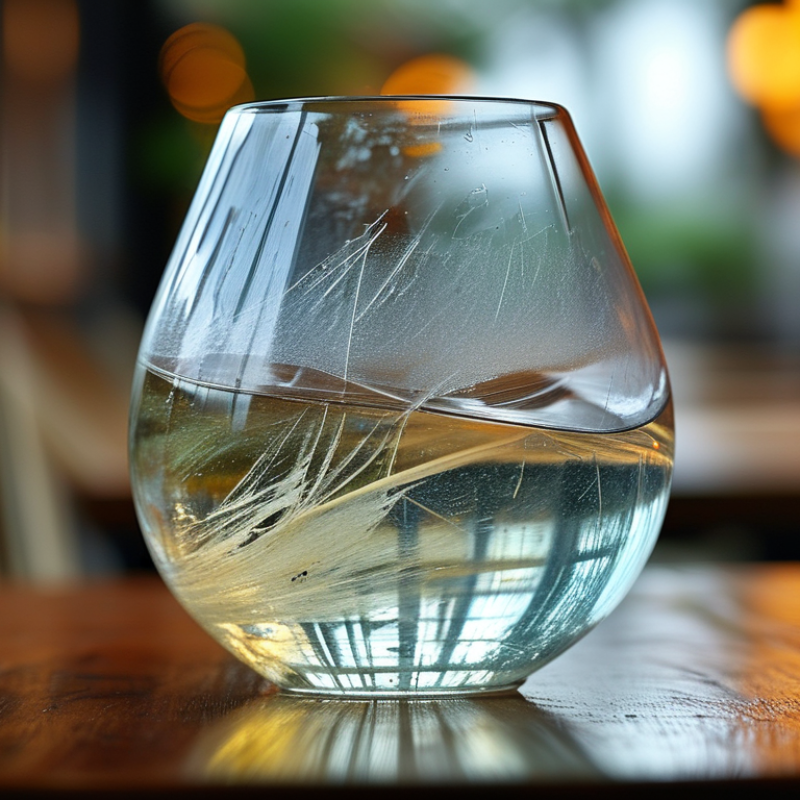
When choosing materials for your business, plastic glass offers unique advantages over traditional options. It is lightweight, making it easy to handle and transport. This can reduce shipping costs significantly. Additionally, plastic glass is shatter-resistant, minimizing the risk of breakage and injury. In busy environments, this durability can be invaluable.
Tip: Consider the specific needs of your space when selecting plastic glass. Different designs serve various functions, from food service to decorative uses. Additionally, adapt your selection based on your target audience's preferences. This can enhance customer experience and satisfaction.
Another benefit of plastic glass is its versatility. It can easily mimic the look of glass while providing added safety. Businesses can choose from a wide range of colors and styles, ensuring a perfect match for their branding. However, not all plastic glass is created equal. Some options may scratch or stain easily, so thorough research before purchasing is essential.
Tip: Always request samples before making a bulk purchase. This will help you evaluate the quality and appearance firsthand. Remember to think about how your choice aligns with your sustainability goals, as some types of plastic can be recycled.
Plastic glass has become a popular choice for businesses due to its impressive durability and safety features. These materials are often made from polycarbonate or polypropylene, known for their strength and resilience. Unlike traditional glass, plastic glass is shatterproof, reducing the risk of injuries in busy environments. This can be especially important in settings like restaurants, schools, or outdoor events, where accidental breakage can happen frequently.
In addition to durability, plastic glass is lightweight and easy to handle. Employees can serve and clean up quickly, minimizing wait times for customers. The clarity of plastic glass can mimic that of regular glass, adding an appealing aesthetic to any setting. However, it’s important to acknowledge that over time, some plastic glasses can scratch or lose clarity with heavy use. Regular maintenance and thoughtful usage can help prolong their life.
Safety is another key aspect. Plastic glass is often BPA-free, making it a safer option for food and beverages. Many establishments prioritize materials that contribute to customer health and safety. However, businesses should remain aware of the limitations of plastic glass in extreme conditions. Understanding these factors can help companies make informed decisions that balance quality and practicality.
Plastic glass is a popular choice for many businesses due to its cost-effectiveness. Traditional glass can be expensive and fragile. In contrast, plastic glass is generally more affordable, making it a practical option for large events or high-traffic areas. For instance, catering companies often choose plastic glassware to reduce their costs while providing a functional product.
When considering the overall budget, we must evaluate durability. While plastic glass may not offer the same elegance as glass, it can withstand heavy use. It is less likely to break, reducing replacement costs over time. Businesses can save money on repairs and replacements, which adds to their bottom line. However, there are trade-offs. The environmental impact of plastic is significant and requires reflection to ensure sustainability.
Choosing plastic glass can lead to higher customer satisfaction when done right. The right design can elevate the dining experience, even with plastic. Still, businesses must consider the lifespan of their products and look for options that balance cost and environmental responsibility. The goal should be to maintain quality while managing expenses.
The use of plastic glass has gained traction among businesses, especially considering environmental impacts. Research indicates that plastic glass can significantly reduce carbon emissions compared to traditional glass products. The National Association for Plastic Container Recovery reported a reduction of over 70% in greenhouse gas emissions per unit of product when using recycled plastic glass.
However, the environmental benefits of plastic glass must be viewed critically. While these products are lighter and often more energy-efficient during transportation, they still contribute to plastic waste. The Environmental Protection Agency stated that in 2020, only 9% of plastics were recycled effectively. This raises questions about the true sustainability of plastic glass and its role in combating pollution.
Moreover, organizations are beginning to explore biodegradable alternatives for plastic glass. The potential for eco-friendliness exists, but many businesses face challenges in sourcing these alternatives. Waiting for systematic improvements in the supply chain could delay progress on reducing plastic waste. Ultimately, the commitment to environmental responsibility must drive the decision-making processes surrounding plastic glass usage.
| Aspect | Details |
|---|---|
| Material Composition | Made from recycled plastics |
| Recyclability | 100% recyclable |
| Carbon Footprint | Lower emissions compared to glass |
| Durability | Impact-resistant and lighter |
| Cost Efficiency | Less expensive than traditional glass |
| Safety | No risk of shattering |
| Versatility | Available in various designs and sizes |
| Environmental Impact | Reduced natural resource usage |
Plastic glass offers significant flexibility in styles and customization options, making it an excellent choice for various business needs. According to a recent industry report, over 70% of businesses prefer customizable products to enhance brand identity. This option allows companies to tailor their plastic glass items to match their color schemes or logos, thus fostering a more cohesive brand image.
Many businesses overlook durability when considering plastic glass. However, modern innovations have led to materials that withstand heavy usage without compromising quality. Reports indicate that plastic glass can reduce breakage rates by as much as 80% compared to traditional glass. This durability is essential not only for safety but also for reducing replacement costs.
Customization doesn't stop at color. Businesses can choose from an array of shapes and sizes tailored to specific events or target audiences. With multiple printing techniques available, each design can tell a brand's story while ensuring practicality. This level of personalization attracts customers. Yet, some still view plastics as inferior, raising questions about perception and value. Balancing style with utility can be challenging, but it’s a critical consideration for modern enterprises.
: Plastic glass is often made from polycarbonate or polypropylene, known for their strength and resilience.
Plastic glass is shatterproof, which reduces the risk of injuries in busy environments like restaurants and schools.
Plastic glass is lightweight and easy to handle, allowing quick service and cleanup for employees.
Yes, with heavy use, some plastic glasses can scratch or lose clarity, requiring regular maintenance.
Plastic glass is generally more affordable than traditional glass, reducing costs for large events and high-traffic areas.
Plastic glass can reduce carbon emissions significantly, but it also contributes to plastic waste, raising sustainability concerns.
Yes, organizations are exploring biodegradable options, but challenges in sourcing these alternatives exist.
When chosen thoughtfully, the right design of plastic glass can enhance customer satisfaction and dining experiences.
Businesses should balance cost with the lifespan of plastic glass and consider environmental responsibility.
The challenge is finding sustainable options while addressing the significant environmental impact of plastic waste.
Plastic glass has emerged as a popular choice for businesses due to its numerous advantages over traditional materials. One of the key benefits is its durability and safety features, which make it less prone to breakage, reducing the risk of injuries in busy environments. Additionally, plastic glass is a cost-effective solution, offering significant savings for businesses while maintaining quality.
Moreover, plastic glass comes with a variety of styles and customization options, allowing businesses to align their branding and aesthetics with their products or services. Environmental considerations also play a role, as many plastic glasses are designed to be recyclable, contributing to sustainability efforts. Overall, the unique attributes of plastic glass make it an ideal choice for various business needs, balancing functionality, style, and environmental responsibility.

Santai Plastic