Choosing the right plastic cup can be a daunting task. With numerous options available, it's hard to know where to start. A plastic cup should meet your specific needs, whether for a party, an outdoor event, or daily use. Different materials, styles, and sizes make it essential to assess your requirements carefully.
Consider the occasions you will use these cups. Will they hold hot or cold beverages? Some plastic cups only work for specific temperatures. Additionally, think about the cup’s durability. Cheaper options may fracture easily, while sturdier choices last longer. This can be more sustainable in the long run.
Reflect on the environmental impact as well. Some plastic cups are recyclable, while others may harm the environment. Opting for eco-friendly options shows responsibility. As you navigate through choices, prioritize quality and functionality to find the best plastic cup for your needs.
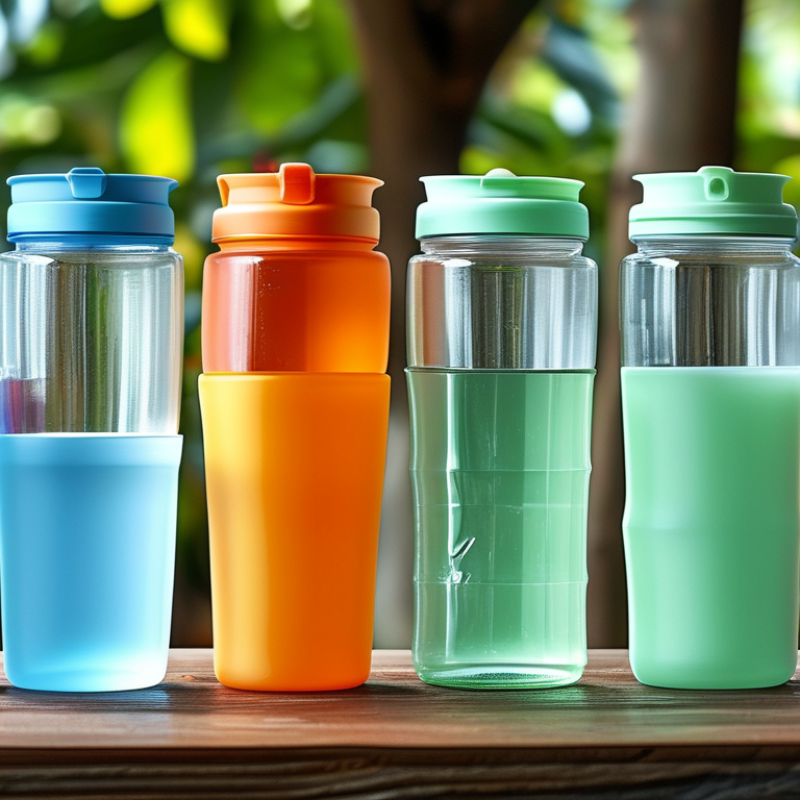
When selecting a plastic cup, understanding the various types available is crucial. The market offers an array of options, including disposable, reusable, and specialty cups. According to a recent industry report, disposable cups account for nearly 50% of the plastic cup market. These are convenient for events and gatherings, yet they contribute significantly to environmental waste. It is vital to consider the environmental impact of single-use plastics. Many disposable options are made from polystyrene or polyethylene, which are not biodegradable.
Reusable plastic cups, often made from polypropylene, are gaining popularity. They can endure multiple uses and reduce waste. The durability of these cups varies. Some are dishwasher safe while others are not. A survey found that around 70% of consumers prefer reusable options for home use. However, many do not realize that the quality may decline over time with repeated washing. Specialty cups, like those designed for hot beverages, can withstand higher temperatures. They often include insulation features, but their cost can be a barrier for some users.
Choosing the right type requires weighing convenience against environmental concerns. Data shows that while disposable cups are cheaper initially, reusable options offer long-term savings. Many people struggle to make the switch due to habit. Ultimately, the best plastic cup will cater to specific needs while balancing sustainability with functionality.
| Cup Type | Material | Capacity (oz) | Usage | Recyclable |
|---|---|---|---|---|
| Disposable Plastic Cup | Polypropylene (PP) | 16 | Parties, Events | Yes |
| Reusable Plastic Cup | Polycarbonate (PC) | 20 | Everyday Use | Yes |
| Cold Drink Plastic Cup | Polystyrene (PS) | 12 | Beverages, Smoothies | No |
| Hot Drink Plastic Cup | Polyethylene (PE) | 8 | Coffee, Tea | Yes |
| Stackable Plastic Cup | Acrylic | 14 | Picnics, Camping | Yes |
: A 12-ounce cup works well for casual gatherings. It's versatile for drinks, snacks, or desserts.
For larger events, consider 16 or 20-ounce cups. They provide enough space for various beverages.
Smaller cups may suit kids best. They are ideal for lighter beverages and easier to handle.
High-quality plastics are safer. They are less likely to leach harmful chemicals into drinks.
Look for BPA-free labels. Check if they meet safety regulations and hygiene protocols in production.
Some plastics take centuries to decompose. Choosing recyclable options can help reduce waste effectively.
Track the number of guests to determine the total number of cups needed for your event.
Bulk packs of larger cups save money but may require more storage. Consider your available space carefully.
Balancing convenience and safety is crucial. Reflect on your choices to make the best decision.
Polyethylene and polypropylene are safer choices. Always check for proper certifications too.
When choosing the best plastic cup for your needs, it’s essential to understand the various types available in the market. Each type serves different purposes, whether you need disposable options for events or reusable cups for daily use. Evaluating the intended use helps determine the right choice, considering factors like size and capacity that align with your specific requirements.
Additionally, assessing the material quality and safety standards of plastic cups is crucial to ensure they are safe for consumption. It’s also important to consider the environmental impact of your choices, as many plastic cups have recycling options. Being mindful of sustainability will help you select a product that meets your needs while also being considerate of the planet.

 Santai Plastic