How to Choose the Best Cup With Straw for Global Sourcing?

Time:2026-09-16 Author:Oliver
0%

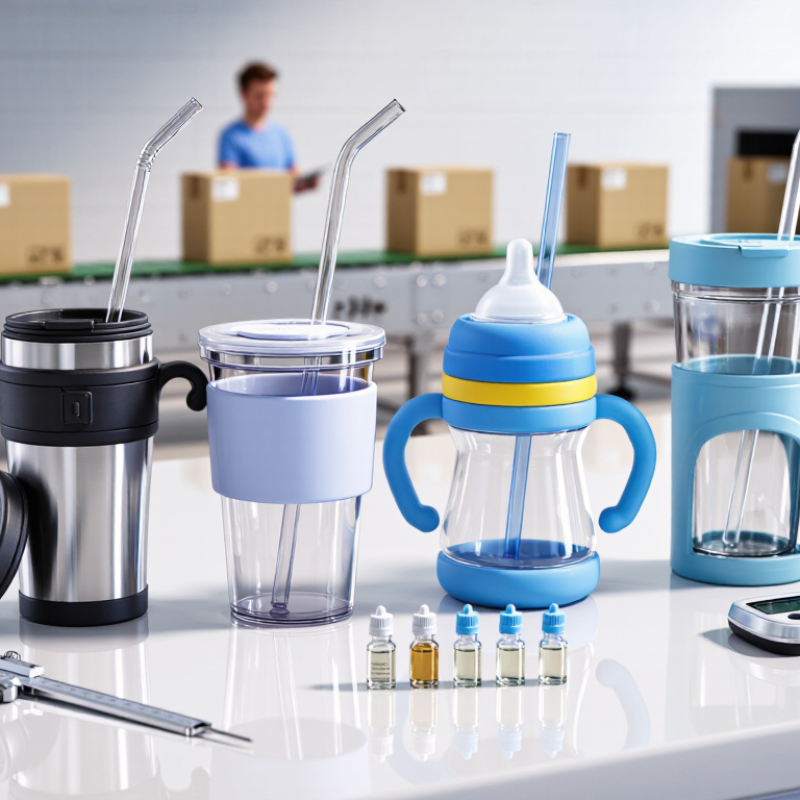
Choosing the right Cup With Straw for global sourcing requires more than comparing prices and colors. Buyers must examine materials, capacity, leak resistance, packaging, and supplier reliability. A product that looks attractive in a catalog may feel uncomfortable after ten minutes of use. Its straw may collapse, the lid may loosen, or the silicone seal may retain odors. Small details become serious problems at scale.

This guide explains how to evaluate suppliers with practical sourcing experience and evidence-based criteria. It covers food-contact materials, production consistency, sample testing, factory communication, and quality inspections. Buyers should request clear specifications, test reports, production samples, and photos from real manufacturing lines. Requirements may also differ between markets, so local standards and import documentation deserve careful review. Do not rely on a single certificate.

User habits matter, too. A commuter may need a one-hand lid and a narrow bottle holder. A child’s cup may require softer edges and stronger spill protection. A promotional order may prioritize printing durability and carton efficiency. There is no universal best choice. That is the difficult part.

A responsible sourcing process compares performance, total cost, and long-term supplier support. It also records weaknesses instead of hiding them. No checklist is perfect. However, careful testing can reduce surprises, protect brand reputation, and improve customer trust. The following sections offer a realistic framework for selecting a dependable Cup With Straw for international markets.
How to Choose the Best Cup With Straw for Global Sourcing?

Define the Use Case: Match 350–700 mL Capacity to Market Demand

How to Choose the Best Cup With Straw for Global Sourcing?

Capacity should follow the drinking occasion, not factory convenience. A 350 mL cup suits short commutes, children, and controlled serving sizes. A 500 mL model fits office desks, school bags, and daily errands. A 700 mL cup supports gym sessions and longer outdoor use. Grand View Research’s Reusable Water Bottles Market Report 2024–2030 identifies portability and on-the-go hydration as important market drivers. However, larger capacity also increases weight, packaging volume, and shipping cost. A 700 mL cup may look attractive, but it can feel awkward in a small car holder.

Regional water access also affects demand. The WHO/UNICEF Joint Monitoring Programme reported that 2.2 billion people lacked safely managed drinking water in 2022. This supports demand for practical refillable drinkware, but usage conditions vary sharply. Test straw flow with thick drinks and plain water. Check whether the lid leaks after repeated opening. In sourcing reviews, a common mistake is treating capacity as the only specification. It is not.

Tips: Request samples in 350, 500, and 700 mL sizes. Measure cup height, base diameter, and filled weight. Test them inside local bags and vehicle holders. Ask distributors which size sells fastest, rather than trusting assumptions. A 500 mL default can fail. The best answer may differ by climate, commute length, and refill access. Allow some uncertainty, then validate it with small-batch feedback.

Screen Materials: Compare PP, Tritan, Silicone, and 304 Stainless Steel

Choosing a cup with straw for global sourcing starts with the material, not the appearance. In factory audits, I check resin records, mold quality, odor, and wall thickness. These details often reveal more than polished product photos.

PP is lightweight, economical, and suitable for large-volume orders. It handles everyday use well, but it may look less clear after repeated washing. Tritan offers better transparency and a glass-like appearance. It also resists cracking, although its price is usually higher. Ask for migration and durability test reports from an accredited laboratory. Do not rely only on a supplier’s verbal promise.

Silicone works well for flexible straws, seals, and soft mouthpieces. Its odor, hardness, and compression recovery should be tested carefully. Poor silicone can retain smells or collapse during drinking. 304 stainless steel gives strong durability and a clean, premium feel. However, the inner surface must be smooth, and weld areas need inspection. Otherwise, cleaning becomes difficult. Small gaps matter.

For each material, request samples from production tooling, not only showroom samples. Test them with hot and cold liquids, repeated washing, and drop impacts. Also confirm food-contact requirements in the destination market. I once underestimated straw flexibility during sampling; the cup looked excellent but felt awkward to use. That mistake was useful. A reliable sourcing decision balances material performance, user comfort, testing evidence, and realistic landed cost.

How to Choose the Best Cup With Straw for Global Sourcing?

Comparative material scores for reusable cups with straws. Scores range from 1 (lower) to 5 (higher) and reflect typical material characteristics; actual performance depends on grade, wall thickness, processing, and product design.

Sourcing insight: PP is usually the cost-efficient option, Tritan offers high clarity and impact resistance, silicone is highly flexible and heat tolerant, while 304 stainless steel provides strong durability and temperature performance but has higher material and forming costs.

Verify Food Contact: Check FDA 21 CFR, EU 10/2011, and LFGB Compliance

When choosing a cup with a straw for global sourcing, verify food-contact compliance before comparing colors or prices. Ask for the exact material list, including the cup, lid, straw, seals, printing inks, and adhesives. Every component can affect safety.

For the United States, check whether the materials meet the relevant FDA 21 CFR requirements. The regulation depends on the material and intended use, so a general “FDA approved” statement is not enough.

For European sales, plastic parts should be assessed under EU Regulation 10/2011, including migration limits and food-simulation conditions.

If Germany is an important market, request suitable LFGB testing, especially for silicone, elastomers, and unusual plastic blends. Test the finished cup, not only raw pellets.

Review laboratory reports carefully. They should identify the tested sample, production date, material, test method, and contact conditions. Hot drinks, acidic liquids, oily beverages, and repeated use may require different evaluations. A supplier declaration can support your file, but it should match the actual production model. Small changes matter.

Do not rely on a certificate copied from another product. It happens. Ask for recent reports from a competent, independent laboratory, then compare them with your purchase specifications. I would also request samples from mass production, because early samples can hide changes in resin, colorant, or gasket material. Compliance checks may slow sourcing, but replacing a shipment is slower.

Test Performance: Apply ASTM D4169 Drop Tests and 1,000-Cycle Leak Checks

For global sourcing, a cup with straw should survive distribution, not just look attractive on a sample table. ASTM D4169 provides a structured method for testing packaged products against transport hazards, including impact, vibration, and compression. Select the distribution cycle that matches the actual route. A short domestic shipment and a mixed ocean shipment do not deserve identical assumptions.

Run controlled drop tests after packing the cup as shipped. Record drop height, orientation, temperature, and visible damage. Then perform a 1,000-cycle leak check with water, including straw movement and repeated lid opening. Inspect the seal after every 100 cycles. Small drips matter. A cup may pass an upright test but leak when inverted inside a carton. That failure is easy to miss.

The OECD Global Plastics Outlook reports that packaging produced about 40% of global plastic waste in 2019. Durability therefore affects both product loss and sourcing responsibility. Ask suppliers for test records, sampling details, and failure photos, not only a pass statement. In practice, I would also test cold and warm samples because material stiffness changes with temperature. ASTM D4169 does not replace product-specific judgment. A perfect laboratory result can still hide a weak straw joint or an unrealistic shipping plan. That is where the review must become more critical.

Audit Suppliers: Compare MOQ, ISO 9001 Systems, Lead Time, and Landed Cost

How to Choose the Best Cup With Straw for Global Sourcing?

Supplier audits should begin with comparable MOQ quotes, not the lowest unit price. Request prices at 500, 1,000, and 3,000 units. Record tooling, packaging, spare straws, and sample fees separately. A low MOQ may reduce inventory risk, but it often raises the landed unit cost. I once compared factory prices only. That mistake hid expensive carton charges and inspection fees.

Check the supplier’s ISO 9001 certificate, scope, expiry date, and certification body. ISO 9001 confirms a quality management system, not automatic product quality. The ISO Survey 2022 recorded 1,265,216 ISO 9001 certificates across 194 countries and economies. That scale makes verification essential. Ask for recent corrective-action records, incoming-material checks, and leak-test results. A clean audit report is useful, but production evidence is stronger.

Separate sample, production, inspection, and shipping lead times. Ask for a written schedule with delay triggers. Compare landed cost using unit price, tooling, inland freight, duties, inspection, and ocean or air freight. UNCTAD’s Review of Maritime Transport 2023 reported about 12.3 billion tons of seaborne trade in 2022, reminding buyers how strongly freight conditions affect final cost. Build two scenarios: normal freight and delayed freight. The cheaper supplier may fail under pressure. That deserves a second review.

FAQS

How should I choose the cup capacity?

Match capacity to the drinking occasion. A 350 mL cup suits short commutes, children, and controlled servings. A 500 mL cup fits desks, school bags, and daily errands. A 700 mL cup supports gym sessions and longer outdoor use. Larger cups add weight and shipping volume. A 700 mL cup may not fit a small car holder.

Is 500 mL always the safest default?

Not always. Climate, commute length, and refill access change demand. Request 350, 500, and 700 mL samples. Measure height, base diameter, and filled weight. Test each cup inside local bags and vehicle holders. Ask distributors which size sells fastest. Assumptions can fail.

Which materials should I compare?

Compare PP, Tritan, silicone, and 304 stainless steel. PP is lightweight and economical for large orders. Tritan offers clearer appearance and good crack resistance. Silicone suits flexible straws, seals, and soft mouthpieces. Stainless steel provides durability and a clean interior. Material choice affects comfort, cost, and cleaning.

What should I test in a straw?

Test flow with plain water and thicker drinks. Check whether the straw bends during drinking. Inspect flexibility, odor, hardness, and collapse. A weak straw can make a good cup uncomfortable. I once missed this during sampling. The appearance was excellent.

How can I check lid and seal performance?

Fill the cup and close the lid firmly. Turn it upside down over a dry tissue. Shake it gently, then open and close the lid repeatedly. Inspect the straw opening and gasket edges. Repeat the test after washing. Small gaps matter.

What evidence should a supplier provide?

Request material lists, production samples, and independent laboratory reports. The list should include the cup, lid, straw, seals, inks, and adhesives. Reports should identify the sample, production date, material, and test method. Ask for samples from production tooling. Showroom samples may differ.

What food-contact checks are important?

Confirm the finished cup meets food-contact rules in the destination market. Check migration and durability evidence for each relevant material. Consider hot drinks, acidic liquids, oily beverages, and repeated use. Raw material testing alone may not be enough. Test the complete product.

How should I compare supplier claims?

Do not rely on a general safety statement. Match every report to the actual model and purchase specification. Check colorants, resin changes, and gasket materials. A copied certificate can create expensive confusion. Small-batch feedback helps. It does not remove uncertainty.

Conclusion

Choosing the right Cup With Straw for global sourcing requires a structured evaluation from market demand to supplier reliability. Start by identifying the intended users and purchase scenarios, then select a practical capacity between 350 and 700 mL based on regional preferences, portability, and daily consumption needs. Material selection is equally important: PP offers cost efficiency, Tritan provides clarity and durability, silicone supports flexible components, and 304 stainless steel delivers strength and temperature resistance. Each option should be assessed for safety, appearance, performance, and production suitability.

Before placing an order, verify food-contact compliance through relevant documentation, including FDA 21 CFR, EU 10/2011, and LFGB requirements where applicable. Product testing should include ASTM D4169-based drop evaluations and at least 1,000 leak-check cycles to confirm durability in transportation and everyday use. Finally, audit potential suppliers by comparing MOQ, ISO 9001 quality systems, lead times, production consistency, and total landed cost. This process helps buyers balance safety, quality, pricing, and delivery reliability across international markets.


Oliver

Oliver

Oliver is a seasoned marketing professional with a wealth of expertise in driving brand awareness and engagement. With a deep understanding of our company's product offerings, he consistently delivers high-quality content that enriches our professional blog. His insights not only shed light on......