What Are Disposable Straws and How Are They Used?

Time:2026-09-21 Author:Charlotte
0%

Disposable Straws are single-use drinking aids designed for convenience, hygiene, and controlled beverage flow. They appear in restaurants, cafés, hospitals, schools, events, and takeaway counters. Common materials include plastic, paper, bamboo, silicone, and plant-based polymers. Each option behaves differently. Plastic stays firm. Paper may soften in a cold drink. That detail matters.

Grand View Research’s Drinking Straw Market report tracks demand across plastic, paper, and alternative materials. Its market analysis connects growth with foodservice expansion, packaged beverages, and changing consumer preferences. The United Nations Environment Programme adds wider context. Its 2023 report, Turning off the Tap, warns that global plastic pollution could nearly triple by 2060 without significant intervention. These findings do not make every straw equally harmful. Use, material, collection systems, and disposal conditions all influence the outcome.

Nicholas Mallos, a marine conservation expert and director of Ocean Conservancy’s Trash Free Seas program, has said, “Straws are a great place to start.” His point is practical, not absolute. Straws are highly visible, but they are only one part of the waste challenge. Used properly, Disposable Straws can support accessibility and safer drinking for some people. They can also create unnecessary waste when handed out automatically. A thoughtful choice begins with the setting: a sealed hospital drink, a busy café, or a reusable cup at home. The answer is rarely perfect. It should still be informed.
What Are Disposable Straws and How Are They Used?

Definition and Basic Features of Disposable Straws

Disposable straws are narrow tubes designed to move drinks from a container to the mouth. Most are intended for one use, then disposal. They may be made from paper, plastic, plant-based fiber, or other approved materials. Their basic features include a hollow center, smooth opening, light weight, and a length suited to a cup. Some have a bendable section. Others have a wider diameter for thicker drinks. The simple shape is practical, not decorative.

In daily use, a person places the straw through a lid opening or directly into a beverage. Suction draws liquid upward through the tube. A firm straw keeps its shape in cold drinks, while paper versions can soften over time. That difference matters during actual use. In my experience, a straw that feels sturdy may still become uncomfortable after several minutes. Rounded edges and a clean wrapper also affect handling and hygiene. These details are easy to overlook.

Disposable straws are used in homes, cafés, offices, events, and care settings. They can reduce washing work, but they create waste after brief use. “Disposable” does not mean automatically harmless or environmentally neutral. Users should follow local waste-sorting guidance, because materials differ. I would also question whether every drink needs one. Choosing the right diameter and using only what is necessary can improve comfort and reduce unnecessary waste.

Materials and Manufacturing Methods

What Are Disposable Straws and How Are They Used?

Disposable straws are single-use tubes that help people drink without lifting a cup. They are common in cafés, restaurants, hospitals, and catered events. Their materials affect strength, texture, cost, and disposal options.

Paper straws usually contain layered food-grade paper bonded with water-resistant adhesives. Their manufacturing process includes paper cutting, spiral winding, bonding, drying, and trimming.

Plastic straws are commonly made from polypropylene or similar polymers. Manufacturers melt the material, push it through a narrow die, cool the tube, and cut it into equal lengths.

Some straws include flexible sections or wider openings for thicker drinks. Quality checks should examine cracks, sharp edges, odor, and diameter consistency. Small defects can cause leaks or uncomfortable drinking.

Tips:

Match the straw to the beverage. Use wider tubes for smoothies and thinner ones for water. Store straws in clean, dry packaging. Check that paper layers remain firm before use.

No material is perfect. Paper may soften quickly, while plastic can remain in the environment for a long time. A careful buyer should consider actual use, packaging, and available waste systems rather than relying on simple labels.

Common Types and Their Specific Uses

What Are Disposable Straws and How Are They Used?

Common Types and Their Specific Uses

Disposable straws are single-use tubes designed to move drinks from a container to the mouth. Their shape, width, length, and material determine their best application. A straight straw works well in water cups, soft drinks, and takeaway beverages. It is simple, inexpensive, and easy to store. Short straws suit small juice boxes or tasting cups, while longer versions reach through tall glasses and sealed lids.

Flexible straws include a bendable section near the top. They help children, older adults, and people drinking from a fixed position. Wide straws are made for thick drinks, including smoothies and beverages containing fruit pieces. Spoon-ended straws can scoop small toppings after drinking. Narrow cocktail straws are useful for small servings, although they are not suitable for thick liquids.

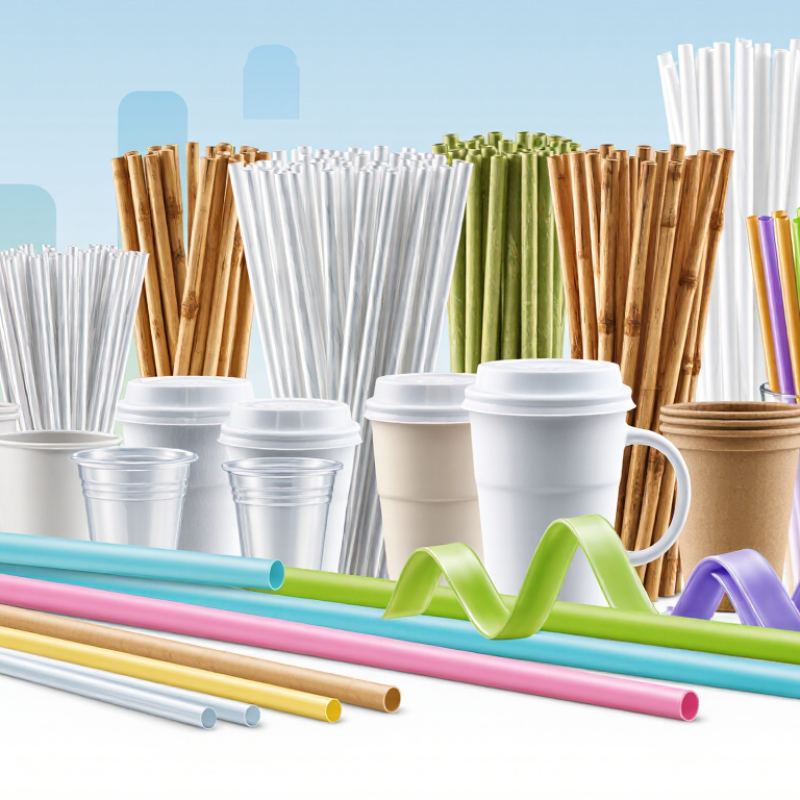
Material also affects performance. Plastic straws resist moisture and keep their shape during extended use. Paper straws reduce plastic use, but they may soften in a cold drink over time. Plant-based options can perform differently depending on heat and storage conditions. A compostable label does not always mean home composting is possible. Facilities and local requirements matter. No option is perfect. In practical food service, choosing the wrong width often causes spills, blocked flow, or unnecessary waste. The best selection matches the drink, cup, user, and expected drinking time.

How Disposable Straws Are Used in Different Settings

What Are Disposable Straws and How Are They Used?

Disposable straws are single-use tubes made from paper, plastic, or plant-based materials. They help people drink without lifting a cup, touching a lid, or tilting a container. In restaurants, staff place them beside iced drinks, smoothies, and takeaway beverages. Cafés often add wrapped straws to delivery orders. Small details matter.

Hospitals and care facilities use straws when patients have limited hand movement or difficulty drinking independently. A wider straw may help with thicker beverages, but clinical staff should select suitable equipment. At offices, schools, and transport stations, individually wrapped straws support quick, cleaner service. Outdoor events also use them because cleaning reusable items can be difficult. Still, convenience is not the only measure.

The United Nations Environment Programme reported in 2023 that 19–23 million tonnes of plastic waste enter aquatic ecosystems annually. The Ellen MacArthur Foundation’s 2023 Global Commitment report also tracked packaging commitments from organizations representing over 20% of global plastic packaging volume. These figures place everyday items under closer scrutiny. Paper straws may reduce persistent plastic use, but moisture can weaken them. Plant-based options may require controlled composting, which many communities lack. The better choice depends on the setting, disposal system, and user’s needs. That answer remains imperfect.

Environmental Impact and Disposal Considerations

Disposable straws are single-use tubes designed to move drinks from a container to the mouth. They are common in cafés, restaurants, hospitals, and takeaway services. People may use them for convenience, hygiene, or accessibility. Their useful life can last only a few minutes. The waste may remain much longer.

Environmental effects depend on the straw’s material, production, and disposal route. Plastic straws can break into smaller fragments that spread through streets, waterways, and coastal areas. Wildlife may mistake these pieces for food. Paper straws avoid some plastic pollution, but they still require energy, water, and raw materials. They can also soften during long drinks, which affects usability. The difference matters. Compostable straws are not automatically suitable for home composting. Many need controlled commercial facilities, and local systems vary widely.

Disposal should begin with checking local guidance. A used straw usually carries drink residue, so it may not belong in ordinary recycling. Rinsing can help in some systems, but small items may still be screened out. Place contaminated or rejected straws in general waste when no suitable recovery route exists. Reuse is often impossible because disposable designs are not made for repeated cleaning. A practical improvement is using fewer straws and choosing one only when it serves a real need. Still, personal choices cannot repair weak waste infrastructure. That limitation deserves more attention.

FAQS

What are disposable straws used for?

They move drinks from cups, cartons, or sealed containers to the mouth. Most are used once. Their useful life may last only minutes.

Which straw suits a tall takeaway cup?

Choose a longer straight straw. It should reach through the lid without forcing the cup. Short straws work better for small cartons or tasting cups.

When is a flexible straw helpful?

Its bendable section helps children, older adults, and people drinking from a fixed position. It can reduce awkward head or cup movement. Not always.

What type of straw works best for thick drinks?

A wide straw allows smoothies and fruit pieces to pass more easily. A narrow straw may block or create spills. The drink’s texture matters.

What are spoon-ended and narrow straws used for?

Spoon-ended straws can collect small toppings after drinking. Narrow cocktail straws suit small servings and thin liquids. They are poor choices for thick drinks.

How do straw materials differ?

Plastic usually keeps its shape during long use and resists moisture. Paper reduces plastic use but may soften in a cold drink. Plant-based materials vary with heat and storage.

Does compostable mean a straw belongs in home compost?

No. Many compostable straws require controlled commercial facilities. Check local rules before disposal. The label alone is not enough.

How should used disposable straws be discarded?

Check local waste guidance first. Drink residue may prevent recycling. Rinsing helps in some systems, but small straws can still be rejected. When no recovery route exists, use general waste.

How can people reduce straw-related waste?

Use a straw only when it provides genuine convenience or accessibility. Match the straw to the cup and drink. Choosing poorly can cause spills and waste. Personal action helps, but weak waste systems remain a problem. I may overlook that limitation.

Conclusion

Disposable Straws are single-use drinking tools designed to provide a convenient and hygienic way to consume beverages. They are commonly made from materials such as paper, plastic, plant-based fibers, or other food-contact materials, using processes that shape, cut, and finish the straw for safe use. Different types may include straight, flexible, wide, or individually wrapped designs, each suited to particular drinks and serving situations.

In restaurants, cafés, homes, offices, events, and healthcare settings, Disposable Straws can make drinking easier, especially for takeaway beverages or people who need additional support. However, their short service life creates waste and may contribute to environmental pollution when they are not managed properly. Users should follow local disposal guidance, place used straws in the appropriate waste container, and consider reusable or lower-impact alternatives when practical. Responsible selection and disposal can help balance convenience with environmental care.


Charlotte

Charlotte

Charlotte is a seasoned marketing professional with a deep understanding of the company's portfolio and a passion for elevating its presence in the market. With a keen eye for detail and a commitment to excellence, she ensures that our professional blog is regularly updated with insightful articles......