The popularity of disposable coffee cups with lids continues to rise significantly in the beverage industry. According to a recent market research report by Grand View Research, the global disposable cup market is projected to reach USD 67.6 billion by 2030, growing at a compound annual growth rate of around 6.5%. With consumers seeking convenience, the demand for disposable coffee cups with lids appears to be at an all-time high.
In addition to practical usage, there is a growing trend toward eco-friendly products. While many users prioritize convenience, the environmental impact remains a crucial concern. A report from the Environmental Protection Agency highlights that over 600 billion paper cups are used each year in the U.S. alone. This raises questions about the sustainability practices surrounding disposable cups.
Selecting the right disposable coffee cups with lids is essential for both businesses and consumers. Factors such as material, insulation, and design can influence the customer experience. As the market evolves, staying informed about the best options in disposable coffee cups with lids can benefit everyone involved.
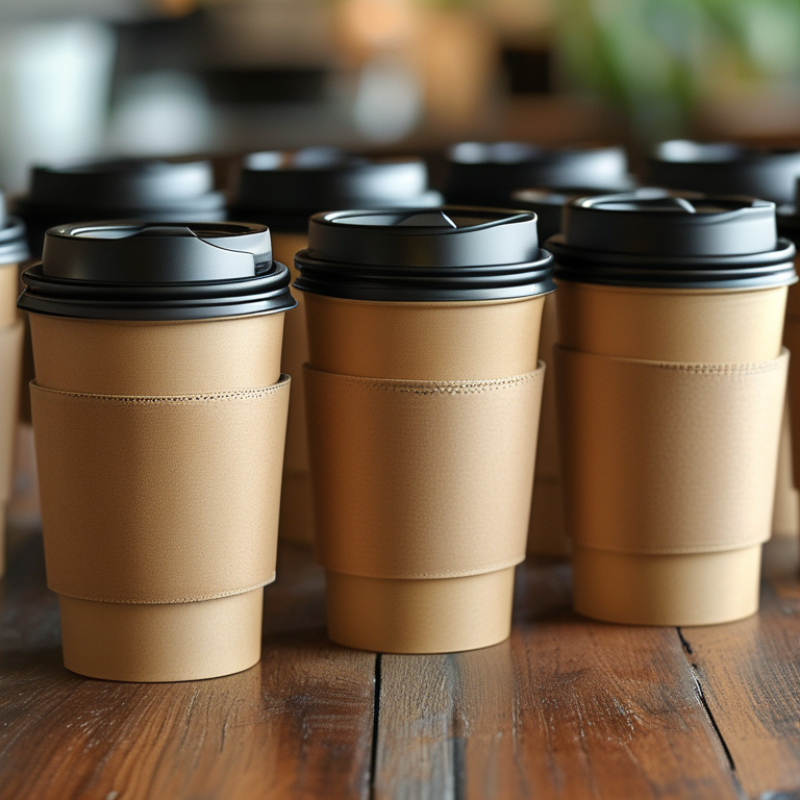
When selecting disposable coffee cups with lids, several key features enhance the user experience. Research indicates that insulated cups are popular for maintaining beverage temperature. A study from the Specialty Coffee Association reported that a well-insulated cup can keep drinks hot for up to 90 minutes. This is essential for commuters who need their coffee to last during their busy mornings.
Another consideration is the cup's lid design. Spill-proof lids are crucial, especially for those on the go. A recent survey found that 72% of coffee drinkers prioritize spill prevention. Designs with a amplia drink opening often make sipping more convenient, but they may compromise spill resistance. Balancing these factors can be tricky for manufacturers.
Biodegradable materials are increasingly important too. A report by Smithers Pira highlights that about 60% of consumers are willing to pay more for eco-friendly options. Yet, biodegradable cups may not always perform like traditional plastics. Inconsistent quality and user experience with these materials occasionally lead to disappointment. Buyers should weigh the benefits of sustainability against practicality.
When choosing disposable coffee cups, material matters greatly. In recent years, eco-friendly options have gained popularity. Biodegradable materials, such as corn starch or bamboo, offer a sustainable choice. These materials break down naturally, reducing waste in landfills. Additionally, look for cups with compostable certification. This ensures they meet specific environmental standards.
Plastic is another common option. However, not all plastics are created equal. Some cups leach harmful chemicals when heated. Ensure the plastic is labeled as BPA-free for safety. Many consumers prefer double-walled cups for insulation. This design offers protection against heat, making it comfortable to hold.
Tip: Always check the lid fit. A secure lid prevents spills, enhancing the drinking experience. If the lid is loose, it can lead to frustration.
Consider the user's experience. Using cups with smooth surfaces enhances drinking comfort. Rough edges can be unpleasant and may deter customers. Finally, consider purchasing cups that align with your values. Supporting sustainable practices not only benefits the environment but also enhances your brand's image.
When choosing disposable coffee cups, size matters. Different beverages require specific sizes for optimal enjoyment. A recent industry report indicates that 12-ounce cups are the most popular choice for standard coffees. This size accommodates various drinks, from a standard drip coffee to a small latte. It's versatile but may feel limiting for larger beverages.
On the other hand, 16-ounce cups cater to those who prefer larger servings. Many customers enjoy their iced coffees in this size. Yet, these cups can become unwieldy. Sipping from a 16-ounce cup can be cumbersome and may lead to spills. Additionally, not all lids provide a secure fit.
The 20-ounce cup is increasingly popular for specialty drinks like large frappes. However, many consumers overlook its environmental impact. Larger cups often generate more waste, a point many coffee lovers have yet to reflect on. Sustainability should always be part of the conversation. Choosing the right size is not just about convenience; it's about making responsible choices.
When considering disposable coffee cups, quality matters. Studies reveal that over 60% of consumers prefer cups with reliable lids to prevent spills. A recent market report highlights that nearly 35% of buyers cite lid functionality as a top priority. A poorly designed lid can lead to accidents, affecting customer satisfaction.
The ecological impact is also critical. According to industry data, more than 2.5 billion disposable coffee cups end up in landfills every year. This figure reflects a growing environmental concern. Some brands are innovating with biodegradable materials, but not all are equally effective.
Feedback suggests that even well-reviewed cups can falter under specific conditions. For example, some lids may not fit securely in extreme temperatures. This inconsistency raises questions about product quality. Buyers should explore reviews and verify materials before purchasing.
| Cup Size | Material | Lid Type | Quantity per Pack | Recyclable |
|---|---|---|---|---|
| 12 oz | Paper | Plastic Dome | 50 | Yes |
| 16 oz | Plastic | Snap-On | 100 | No |
| 8 oz | Compostable | Plastic Sip | 25 | Yes |
| 16 oz | Paper | Flat | 75 | Yes |
| 12 oz | Bamboo | Plastic Dome | 20 | Yes |
| 10 oz | Plastic | Snap-On | 40 | No |
| 20 oz | Paper | Flat | 50 | Yes |
| 12 oz | Sugarcane | Plastic Sip | 30 | Yes |
| 16 oz | Kraft | Plastic Dome | 100 | No |
| 8 oz | Recycled Paper | Plastic Sip | 50 | Yes |
Lidded disposable coffee cups serve as a crucial convenience for on-the-go consumers. Research indicates that nearly 60% of coffee drinkers prefer to take their beverages away. This trend underscores the importance of portable solutions that cater to busy lifestyles. Lids not only provide ease of transport but also help maintain beverage temperature, ensuring that customers enjoy their drinks at the right temperature.
Moreover, safety is a key factor. A study found that 30% of coffee spills occur during commutes. Lidded cups significantly reduce this risk. They can prevent accidents, protecting both consumers and their possessions. Consumers appreciate not just the functionality but also the peace of mind these lids provide.
Additionally, many cups today are designed with eco-friendliness in mind. A report suggests that 80% of consumers are more likely to choose sustainable options. Many disposable cups now utilize biodegradable materials, appealing to environmentally conscious buyers. While lidded cups offer many benefits, it's important to continue refining their designs. Future innovations can further improve functionality and sustainability, ensuring that the needs of on-the-go customers are met.
: Key features include insulation, spill-proof lids, and eco-friendly materials. Insulated cups maintain heat for about 90 minutes.
Spill-proof lids are crucial for those with busy lifestyles. They prevent spills, which is a significant concern for commuters.
Different sizes suit different drinks. A 12-ounce cup is versatile, while 16-ounce cups cater to larger servings.
Larger cups, like 20-ounce ones, suit specialty drinks. However, they may generate more waste, which many consumers overlook.
Many consumers want eco-friendly options. Yet, biodegradable cups sometimes underperform compared to traditional materials, leading to disappointment.
Lidded cups offer portability and maintain beverage temperature. They also help prevent spills during commutes, adding safety.
About 60% of coffee drinkers prefer to take their beverages on the go. This trend highlights a need for convenient designs.
Although eco-friendly, biodegradable cups may have inconsistent quality. Consumers should weigh sustainability against practical use.
Manufacturers must balance insulation, spill-resistance, and eco-friendliness. These elements can significantly affect user experience.
Future innovations should focus on enhancing functionality and sustainability. Continuous improvement is essential for user satisfaction.
This article provides a comprehensive overview of the top 10 disposable coffee cups with lids that every buyer should consider. It highlights popular features that enhance user experience, including spill-proof designs and insulation properties to keep beverages at optimal temperatures. The article also discusses material choices, emphasizing durable options that are eco-friendly, catering to environmentally conscious consumers.
Additionally, the article compares various cup sizes suitable for different types of beverages, from small espresso shots to larger coffees. It reviews leading brands that excel in providing high-quality disposable coffee cups with lids, ensuring customers can find reliable options for their on-the-go lifestyles. Ultimately, it outlines the key benefits of using lidded disposable cups, such as convenience and safety, making them a must-have for any coffee lover.

Santai Plastic