In a world increasingly focused on sustainability, choosing the right disposable straws becomes essential. Disposable straws are not just convenient; they come in various materials, shapes, and sizes to fit any occasion. With the rise of eco-friendly options, buyers today face overwhelming choices.
Consider the implications of your straw choice. Plastic straws may be cheap but have detrimental effects on our environment. Alternative materials like paper and bamboo offer sustainable benefits. However, not all disposable straws are created equal. Some perform poorly and disappoint users. Researching brands and materials is crucial for making informed decisions.
As consumers, we bear the responsibility of understanding our choices. Disposable straws can greatly impact our lifestyle and environment. Evaluating options requires a balance of convenience and sustainability. Ultimately, the responsibility lies with us to make choices that reflect our values and the health of our planet.
Understanding Disposable Straws: Types and Materials
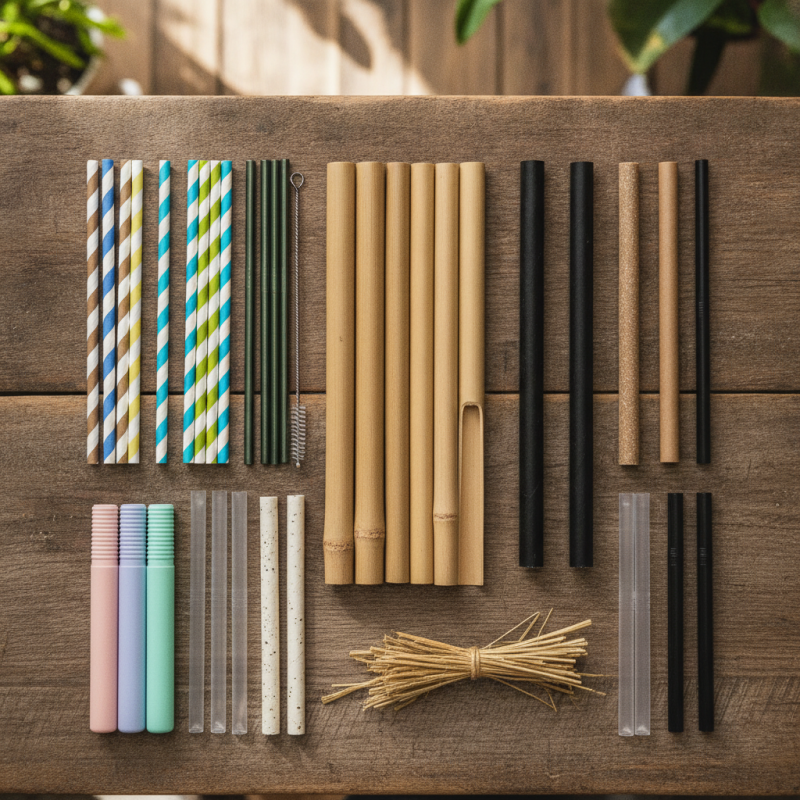
When choosing disposable straws, understanding their types and materials is crucial. Most disposable straws fall into three main categories: plastic, paper, and biodegradable options. According to industry reports, plastic straws comprise approximately 40% of the global straw market. While they are durable and inexpensive, their environmental impact raises significant concerns. In the United States alone, over 500 million plastic straws are used daily, leading to considerable pollution.
Paper straws have gained popularity as an eco-friendly alternative. They are often made from renewable resources and can decompose within 30 to 60 days in the right conditions. Nevertheless, their functionality sometimes poses challenges, as they may become soggy when in contact with liquids for extended periods. Some consumers express dissatisfaction with the texture and taste that paper straws can impart. Despite these drawbacks, reports indicate that the paper straw market is expected to grow by 10% annually.
Biodegradable straws, made from materials like cornstarch, are also emerging. They offer an environmentally sustainable option, decomposing within 90 days in composting environments. Yet, they are often more expensive than traditional plastic. This cost disparity can deter some buyers, highlighting a tension between environmental responsibility and budget constraints. These factors contribute to the ongoing debate about which type of disposable straw is truly sustainable.
Environmental Impact of Disposable Straws: A Closer Look
Disposable straws pose a significant environmental challenge. According to a report from the Ocean Conservancy, approximately 200 million plastic straws are collected during coastal cleanups each year. These tiny items contribute to the more than 8 million metric tons of plastic entering our oceans annually. Straws often end up in marine ecosystems, endangering wildlife. Sea turtles, for instance, can mistake them for food, leading to serious health issues.
The durability of plastic straws complicates their disposal. A study from the Environmental Protection Agency indicates that plastics can take up to 1,000 years to decompose fully. During this time, they break down into microplastics, which persist in the environment. Wildlife ingestion of these microplastics is a growing concern. Researchers found that fish exposed to microplastics showed changes in behavior and feeding patterns. Plastics are not just a waste issue; they impact entire ecosystems.
While some people opt for biodegradable alternatives, the effectiveness can vary. Biodegradable straws still require proper conditions to break down, which are often not met in landfills. The push for sustainable practices needs to continue. There's a need for better education on the impact of straws. Challenging our habits can lead to more mindful choices that support ecological health.
Top 10 Disposable Straws Buyers Need to Know About
| Material |
Biodegradability |
Average Lifespan in Environment (Years) |
Recycling Potential |
Impact on Marine Life |
| Plastic |
No |
100+ |
Limited |
High |
| Bamboo |
Yes |
1-2 |
No |
Low |
| Paper |
Yes |
3-6 |
Yes |
Medium |
| PLA (Polylactic Acid) |
Yes |
1-2 |
Limited |
Medium |
| Metal |
Yes |
Indefinite |
Yes |
Very Low |
| Glass |
Yes |
Indefinite |
Yes |
Very Low |
| Silicone |
Yes |
10-20 |
Yes |
Low |
| Palm Leaf |
Yes |
1-2 |
No |
Low |
| Wheat Straw |
Yes |
1-3 |
No |
Low |
| Rice Straw |
Yes |
1-2 |
No |
Low |
Key Features to Consider When Buying Disposable Straws
When buying disposable straws, several key features deserve attention. Material is crucial. Options include plastic, paper, and bioplastics. Plastic straws are durable and often cheaper. However, they contribute to environmental issues. Paper straws, on the other hand, are biodegradable. They may not hold up well in liquid for long periods.
Length and diameter also matter. Straws come in various sizes. Consider the type of beverage they will serve. A thicker straw is better for smoothies, while a standard one fits most drinks. The design can impact usability too. Some straws have bendable sections or are designed for specific cups.
Packaging is another factor. Straws come individually wrapped or in bulk. Individual wrapping ensures hygiene, while bulk packaging reduces waste. Pricing will vary based on these features. Spending more upfront on quality can lead to better user experiences. Always look for reputable suppliers when making purchases. This ensures a reliable product that meets your needs.
Top Brands in the Disposable Straw Market: A Comparative Analysis
The disposable straw market has evolved significantly over recent years. According to recent industry reports, the market is projected to reach over $4 billion by 2025. This growth reflects increasing consumer awareness about environmental sustainability and the demand for eco-friendly alternatives. The shift away from traditional plastic straws has sparked interest in various materials, including paper, bamboo, and silicone. Each material has its own pros and cons.
Paper straws, for example, are preferred by many for their biodegradability. They can break down within weeks in compost conditions. However, some consumers find them less durable during extended use. Bamboo straws have gained traction too. They are robust and reusable, but the sourcing process can be inconsistent, raising concerns about sustainability. Silicone straws are flexible and long-lasting, but they often face criticism for being less environmentally friendly due to their manufacturing processes.
This comparative analysis highlights important factors for buyers. Price, durability, and environmental impact are key considerations. Industry data reveals that the consumer preference is shifting towards more sustainable options, reflecting a broader trend in eco-conscious purchasing. However, the effectiveness of marketing claims sometimes lacks transparency, making it essential for consumers to conduct thorough research before making their choices.
Top 10 Disposable Straws Market Analysis
This chart illustrates the market share distribution of various types of disposable straws. The largest segment is plastic straws, followed by paper and bamboo options. Understanding these market shares can help buyers make informed decisions regarding sustainable choices in disposable straw products.
Alternatives to Disposable Straws: Sustainable Options to Explore
Disposable straws have become a significant environmental issue. Many consumers are now searching for sustainable alternatives. Biodegradable and reusable straws can help reduce plastic waste. Options like silicone, bamboo, and stainless steel are gaining popularity. These materials not only minimize ecological impact but also offer durability.
When choosing a sustainable straw, consider its lifespan. A good reusable straw should last for years. This reflects your commitment to the planet. Additionally, some straws offer fun designs, adding a touch of personality to your drink. Remember, not all reusable straws are created equal. Research the materials to ensure safety and ease of cleaning.
Tips: Always carry a reusable straw with you. It’s a simple step towards reducing waste. When dining out, ask if the restaurant offers sustainable options. Share your knowledge with friends. Sometimes, small changes can spark bigger conversations about sustainability. Transitioning to greener choices is a journey. Embrace it, and feel proud of every small step you take.
FAQS
: The main types are plastic, paper, and biodegradable straws.
They are durable but contribute to significant pollution and take up to 1,000 years to decompose.
Paper straws are biodegradable and made from renewable materials, decomposing in 30 to 60 days.
Yes, they can become soggy and affect the drink's taste, leading to customer dissatisfaction.
They are made from materials like cornstarch and can decompose in about 90 days but are often pricier.
Straws contribute to ocean pollution and can be mistaken for food by marine animals, causing health issues.
Consider the material, size, design, and packaging to suit your beverage and eco-conscious values.
They require specific conditions to break down, which landfills may not provide.
Fish exposed to microplastics have shown changes in behavior and feeding patterns, raising ecological concerns.
Yes, higher quality can enhance user experience, although it may conflict with budget considerations.
Conclusion
Disposable straws are a common convenience item used in various settings, but they come in a variety of types and materials that buyers should understand before purchasing. This article explores the different types of disposable straws, highlighting their materials and the environmental impacts they can have. It emphasizes the importance of being informed about key features such as durability, flexibility, and whether they are made from biodegradable or recyclable materials.
Additionally, the article provides a comparative analysis of the top brands in the disposable straw market, helping consumers make informed choices. It also suggests alternatives to disposable straws, encouraging the exploration of sustainable options that can reduce environmental harm. By understanding these aspects, buyers can make better decisions that align with both their needs and ecological responsibility.

 Santai Plastic