Top Plastic Cups With Lids for Wholesale Buyers?

Time:2026-11-02 Author:Henry
0%

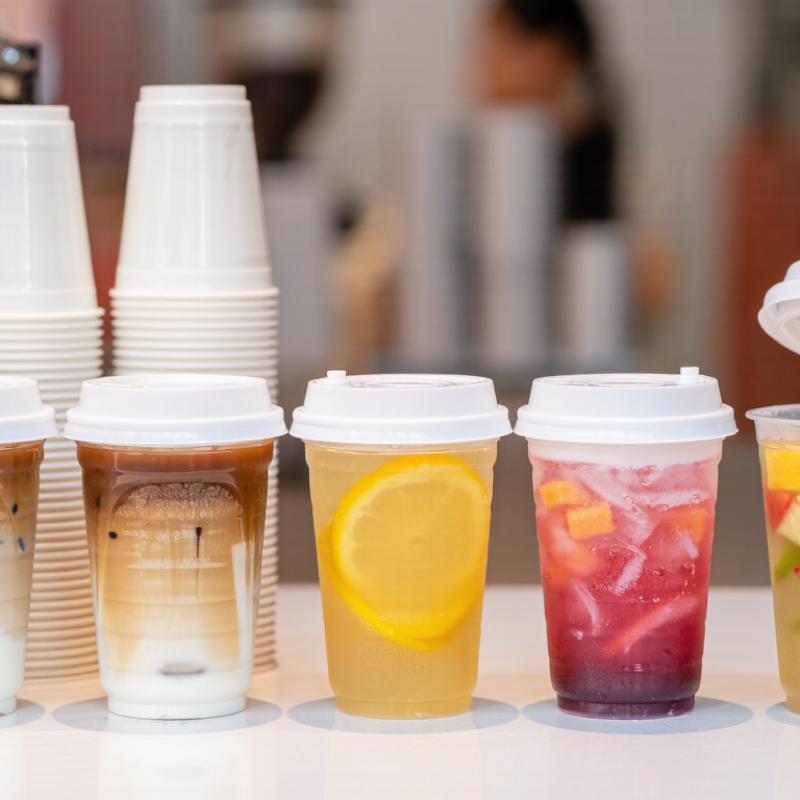
Wholesale buyers choosing Plastic Cups With Lids need more than a low case price. The right cup should match the drink, service speed, and storage space. A clear PET cup can show layered iced coffee; a sturdy lid can help prevent splashes during pickup. But a lid that fits one cup may not fit another, even when the diameters look similar. Always check the manufacturer’s fit specifications and test samples with the drinks you actually serve.

Circular-design thinker William McDonough is associated with the phrase, “Waste equals food.” It offers a useful reminder: buyers should consider what happens after service, not only what happens at checkout. Compare cup and lid materials, local disposal options, case quantities, and delivery schedules. Ask suppliers for written specifications, sample products, and clear details about compatibility. A polished catalog photo is not a performance test.

Small details matter. A lid that leaks can undo a fast handoff. A case that takes too much shelf space can complicate a busy back room. And “cheapest” may not mean best value. There is no perfect choice for every business; even careful testing can miss an awkward rush-hour moment. This guide examines practical options, key specifications, and buying questions to help wholesale buyers choose Plastic Cups With Lids with fewer surprises.
Top Plastic Cups With Lids for Wholesale Buyers?

Common Plastic Cup Types and Their Wholesale Uses

PET cups are a practical choice for iced coffee, juice, and other cold drinks. Their clarity makes layered beverages visible, while firm walls help cups travel on trays. PP cups handle warmer drinks better and suit tea, specialty beverages, and some takeaway service. Polystyrene cups are lightweight and can offer insulation, but buyers should check local recycling options and customer expectations. No material wins every order.

Demand context helps with planning, but it is not a cup-sales forecast. The National Coffee Association’s 2024 National Coffee Data Trends report found that 67% of U.S. adults had coffee the previous day. The International Bottled Water Association reported 16.4 billion gallons of U.S. bottled-water consumption in 2023. Those figures point to substantial beverage activity, not a guaranteed order volume for any cup format.

For wholesale purchasing, match the lid to the rim, then test the filled cup in a delivery bag. Fit matters. A loose lid can undo the value of a sturdy cup. Compare wall thickness, case count, storage space, and temperature performance using samples from the actual service line. Clear PET may photograph well, yet a less transparent cup can be the better choice when price and stacking matter more. That trade-off deserves a real trial, not just a catalog comparison.

Cup Materials, Capacities, and Lid Compatibility

For wholesale buyers, material choice should match the drink and service conditions. Clear PET cups show iced coffee and layered drinks well, while polypropylene cups are often chosen for flexibility and better tolerance of warm contents. Paper cups need a compatible lining and a lid designed for their rolled rim. Material names alone are not enough; check the supplier’s temperature and food-contact specifications.

Capacity labels can be misleading. A cup marked 16 ounces may refer to its brimful volume, leaving little room for ice or foam. Compare usable fill volume, rim diameter, and stacking height across samples. Lid fit depends on the rim profile, not just the stated capacity. Test snap-on and straw-slot lids with the actual cup, especially if orders will be packed by different teams. Small detail. Big consequences.

Recycling claims also need care. NAPCOR’s 2023 PET Recycling Report puts the U.S. PET bottle recycling rate at 29.1%; that figure applies to bottles, not cups. Cup collection and processing can differ by region and format, so resin identification alone cannot guarantee recyclability. Ask for written material specifications, lid compatibility details, and sample cartons before committing to a large order. I’d still test them during a busy service, where a lid that seems secure on a desk can loosen when cups are stacked or carried.

Key Quality and Safety Standards for Bulk Orders

Top Plastic Cups With Lids for Wholesale Buyers?

For bulk orders, check food-contact safety before comparing prices. Ask for current test reports that match the cup material, intended use, and destination market. Requirements vary, so verify applicable local standards rather than relying on a generic “food-safe” claim. Review material specifications and batch records, too. Clear documentation helps trace a shipment if a quality issue appears later.

Tips: Test cups and lids together. Fill samples with the drinks you plan to serve, then check for leaks, loose rims, and lid deformation. Small gaps matter. Also test hot and cold use where relevant, and confirm any temperature limits in writing.

Before approving production, inspect samples from more than one carton. Look for sharp edges, uneven rims, cracks, strong odors, and inconsistent wall thickness. Measure cup capacity and lid fit; small size differences can disrupt automated filling or create spills. Agree on acceptable defect levels, packaging protection, and a sampling plan with the supplier. Keep a retained sample from each approved batch. Even careful checks can miss problems, so document findings and repeat inspections when specifications or production conditions change.

Customization, Packaging, and Storage Options

For wholesale buyers, customization should improve serving and handling, not merely add decoration. Choose cup capacity, rim style, and lid opening to match the drinks you sell. A snug lid matters for takeaway orders. Ask for samples and test them with the actual cup, especially when ordering several sizes. Fit can vary between cup designs, even when the listed capacities look similar.

Packaging choices affect both delivery and daily operations. Individual sleeves can keep cups clean during storage, while sturdy cartons help reduce crushing in transit. Request carton dimensions and case quantities before confirming an order; these details determine how easily staff can move stock. For storage, keep cups in a dry area, away from heat and direct sunlight. Tall stacks save floor space, but unstable piles are easy to knock over. Small detail. Clear labels showing size and lid compatibility can prevent packing mistakes during busy shifts.

Tips: Confirm print placement, color, minimum order quantities, and production timing in writing. Check a packed sample if cartons will be stacked in a warehouse. Leave room for handling access, not just the stated carton footprint. I would not assume every customization is worth the added cost; test what customers notice first.

Top Plastic Cups With Lids for Wholesale Buyers: Customization, Packaging, and Storage Options

Cup Type Common Capacities Typical Lid Options Customization Options Bulk Packaging and Storage Typical Uses and Considerations
Clear PET cold cup 12, 16, 20, and 24 fl oz Flat lid with straw slot; dome lid, with or without a straw opening Printed cup graphics, custom colors, and selected rim or cup sizes Usually supplied nested in sleeves and packed in corrugated cases. Store clean and dry, away from heat and direct sunlight. Suitable for cold drinks such as iced coffee, smoothies, and soft drinks. Not intended for hot-fill use.
Clear rPET cold cup 12, 16, 20, and 24 fl oz Flat straw-slot lid; compatible dome lid, depending on rim size Printed graphics and selected cup sizes; recycled content and local recycling acceptance should be confirmed with the supplier Nested sleeves in protective cases are common. Keep dry and protected from crushing; follow the supplier's handling guidance. For cold beverages. Made with recycled PET content; recyclability depends on local collection and processing facilities.
Clear PP cold cup 12, 16, 20, and 24 fl oz Flat straw-slot lid; dome lid for drinks with toppings Printed graphics, color options, and selected cup or rim dimensions Commonly nested in sleeves and case-packed. Store in a clean, dry area and avoid prolonged exposure to high temperatures. A flexible option for cold drinks. Confirm lid fit by matching the lid to the cup's rim diameter and design.
Opaque PP cup 8, 12, 16, and 20 fl oz Flat lid with straw slot; sip-through lid where available Solid cup colors, printing, and selected capacities Typically nested in sleeves and packed in cases. Store away from moisture, dust, and direct heat. Useful for portioned drinks, samples, and takeaway service. Heat tolerance varies by product; check the supplier's rated use before serving hot beverages.
Reusable PP cup 12, 16, and 20 fl oz Matching flat lid, straw-slot lid, or reusable sip lid Printed or molded decoration, color selection, and reusable cup formats Case-packed; heavier designs may use dividers or protective packing. Confirm stacking limits to prevent nesting or sticking. Designed for repeated use when the specific product is rated for it. Washing instructions and dishwasher suitability vary by cup design.
Clear PET portion cup 1, 2, 3.25, 4, and 5.5 fl oz Matching flat press-on lid; some sizes have compatible dome lids Selected cup sizes, printed decoration, and coordinated lid options Usually nested and case-packed. Keep cases sealed until use to protect small cups from dust and handling damage. Commonly used for sauces, dressings, toppings, and samples. Check compatibility between the cup rim and lid before ordering large quantities.

Specifications and lid fit vary by supplier and product design. Confirm capacity, rim diameter, material, temperature limits, case quantity, and storage requirements using samples or technical specifications before placing a wholesale order.

How to Compare Wholesale Suppliers and Pricing

Top Plastic Cups With Lids for Wholesale Buyers?

How to Compare Wholesale Suppliers and Pricing

Wholesale prices are comparable only when specifications match. Ask each supplier to quote the same capacity, rim diameter, resin type, cup weight, and lid style. A lighter cup may cost less, but could flex when filled or stack poorly. Request a physical sample. Test the lid fit with the cup filled, then check how cups stack in your storage area. The OECD’s 2022 Global Plastics Outlook estimates that 353 million tonnes of plastic waste were generated worldwide in 2019, with only 9% recycled. This broad figure does not set cup prices, but it makes clear material and recycled-content documentation worth checking.

Compare total delivered cost, not unit price alone. Record minimum order quantity, freight, carton count, printing fees, lead time, and replacement terms on one sheet. Compare quotes from the same date; resin and freight costs can shift between bids. I still find this easy to miss: carton dimensions affect both warehouse space and shipping efficiency. Ask for samples. A lid mismatch is easier to catch before a pallet arrives. For extra context on resin-cost movement, consult the U.S. Bureau of Labor Statistics’ Producer Price Index data for plastics materials and resins; it tracks upstream prices, not a supplier’s exact cup cost.

FAQS

What should buyers check before placing a bulk order?

Review current test reports for the cup material, intended use, and destination market. Check material specifications and batch records, too.

How can buyers test cup and lid compatibility?

Fill sample cups with the drinks you plan to serve. Check for leaks, loose rims, and lid deformation. Small gaps matter.

What defects should sample inspections look for?

Check several cartons for sharp edges, cracks, strong odors, uneven rims, and inconsistent wall thickness. Measure capacity and lid fit.

Why should samples be tested with actual drinks?

Drink temperature and handling can affect performance. Test hot and cold use where relevant, and confirm temperature limits in writing.

What packaging details should buyers confirm?

Ask for carton dimensions, case quantities, and packaging protection. Sturdy cartons can reduce crushing during delivery. Sleeves may help keep cups clean.

How should cups be stored after delivery?

Keep them in a dry place, away from heat and direct sunlight. Tall stacks save space, but unstable piles can fall.

Which customization details are worth checking?

Confirm capacity, rim style, lid opening, print placement, color, order minimums, and production timing in writing. Not always worth it. Test what customers notice.

How can teams avoid packing mistakes?

Use clear labels showing cup size and compatible lids. Fit can vary between designs, even when listed capacities look similar.

What should buyers do if production conditions change?

Repeat inspections and document the results. Keep a retained sample from each approved batch. I may be overvaluing appearance; sample tests should guide the decision.

Conclusion

Choosing the right Plastic Cups With Lids for wholesale orders starts with matching cup styles to their intended uses, from cold drinks and takeaway beverages to food service and events. Buyers should compare material options, capacities, and lid designs to ensure a secure fit and a practical customer experience. Clear specifications can also help prevent mismatches between cups and lids when ordering in bulk.

Before placing an order, review product quality and applicable safety documentation, then consider customization, packaging, and storage requirements. Compare suppliers by evaluating pricing alongside minimum order quantities, product consistency, lead times, and shipping details. A well-rounded comparison helps wholesale buyers balance cost, reliability, and suitability for their business needs.


Henry

Henry

Henry is a dedicated marketing professional with a profound expertise in the company's offerings. With years of experience in the industry, he possesses an impressive understanding of the market dynamics and consumer behaviors that drive success. Henry is committed to sharing his insights through......