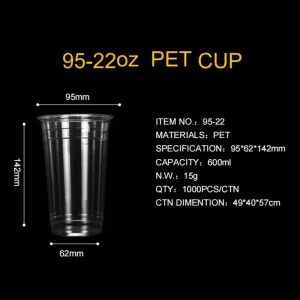
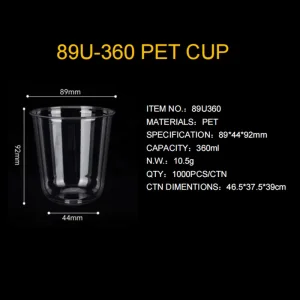
Engineered for absolute clarity, thermal resilience, and premium branding capabilities in sub-saharan logistics conditions.
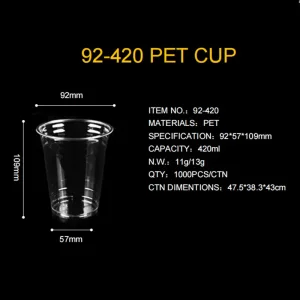
Equatorial Guinea, situated strategically in Central Africa, is experiencing a structural modernization of its fast-moving consumer goods (FMCG) and food services sectors. Historically anchored by oil and gas extraction across the Bioko Island (Malabo) and Rio Muni (Bata) regions, the nation's economic diversification frameworks (such as the Horizon 2035 agenda) have catalyzed investments in hospitality, regional tourism, and modern beverage processing industries.
The rise of localized cafes, franchise juice bars, and international hospitality chains catering to corporate clients has created a critical demand for high-clarity, ultra-durable polyethylene terephthalate (PET) plastic packaging. In tropical climates like Equatorial Guinea's—marked by high relative humidity and average year-round temperatures of 26°C—polypropylene (PP) and traditional polystyrene packaging often fall short. Businesses require materials that prevent moisture transmission, offer superior structural rigidity under transport, and maintain high optical clarity to highlight fresh beverages, smoothies, and cold-brew applications.
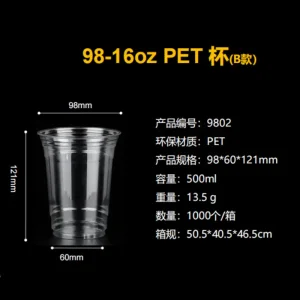
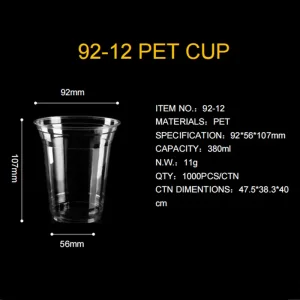
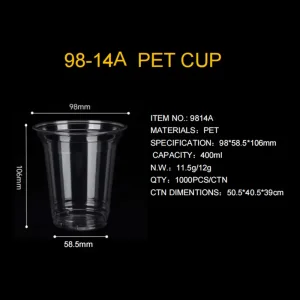
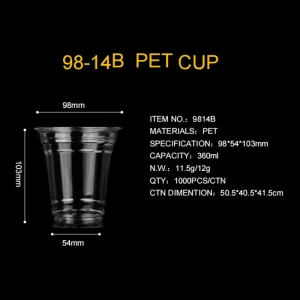
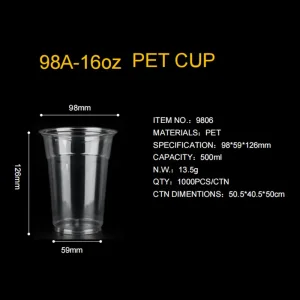
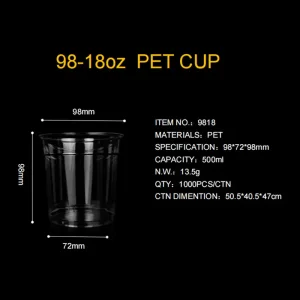
In Malabo II, the premium business hubs, oil-and-gas corporate headquarters, and luxury hotels demand high-grade customized branding. Businesses rely heavily on 98mm and 95mm caliber PET cups (ranging from 12oz to 24oz) for internal cafes, catering events, and private brand labeling. High optical transparency is essential for matching the aesthetic expectations of multinational clients.
As Equatorial Guinea's largest city and trade portal, Bata serves as the logistics gateway to inland provinces. Here, localized beverage producers require robust cold drink packaging that can withstand distribution along regional corridors. Customized printing with food-grade UV inks is critical to preventing condensation-induced ink bleeding during transport.
Guangdong Santai Plastic Industry Co., Ltd. officially embarked on its entrepreneurial journey in 2010 and has been deeply involved in the plastic product manufacturing sector for over a decade. Starting as a small production enterprise, it has gradually grown into a highly influential beverage packaging solution provider in the region. The company's factory is located at No.5, Xinjiang Village Industrial Zone, Changning Town, Boluo County, Huizhou City, Guangdong Province.
Looking back at Santai Plastic's corporate history, its growth trajectory is marked by relentless perseverance. In the early days, the company barely started with just two basic production machines. Facing multiple challenges like limited equipment, insufficient production capacity, and low market recognition, the team remained committed to quality standards, gradually accumulating experience through simple processing of single product categories. As market demand expanded and technical capabilities improved, the company continuously increased equipment investment and technological upgrades. After years of development, it now operates 30 thermoforming production lines and 20 extrusion production lines, achieving a leapfrog growth in equipment quantity.
For businesses sourcing PET cups within Equatorial Guinea, local production capacity remains limited, leading to high markups from regional middle-tier trading agencies. Partnering directly with a massive manufacturing base in Guangdong Province, China, offers a profound strategic and economic advantage:
As a growing enterprise, Santai Plastics has consistently integrated social responsibility into its development strategy, with sustained efforts in environmental protection. The company actively develops and promotes eco-friendly products, including PLA and paper straws, while progressively adopting recyclable PET and biodegradable PP materials for cup production to reduce traditional plastics' environmental impact. Additionally, it drives green production upgrades by installing solar power systems to supply clean energy for workshops and offices, significantly cutting annual carbon emissions. The company also optimizes wastewater and exhaust gas treatment processes to achieve resource recycling, demonstrating its commitment to "low-carbon manufacturing" and setting an industry benchmark for sustainable development.
Strict compliance with food-grade production standards: The company operates standardized cleanrooms with constant temperature and humidity control, equipped with high-efficiency air purification systems and precision testing equipment. This ensures product hygiene and safety from production source, guaranteeing each batch meets national food contact material safety standards, earning trust from customers and consumers.
Advancing towards circularity, Santai's R&D division has qualified manufacturing runs utilizing up to 50% post-consumer recycled PET (rPET), matching virgin resin in clarity, odorlessness, and mechanical tensile strength.
The company's premium products and services have not only gained domestic recognition but also received high praise from international clients. Here is what leading regional beverage companies state about our capabilities:
High durability, food-contact certified products, ready for bulk container shipping worldwide.
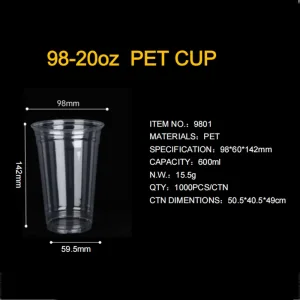
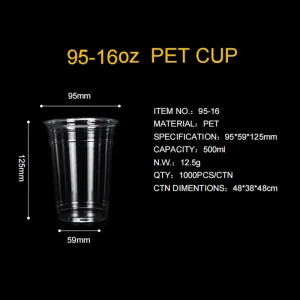
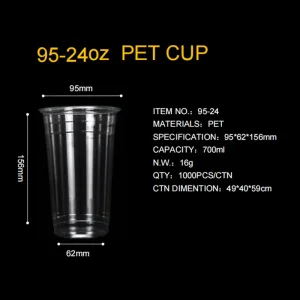
 Santai Plastic