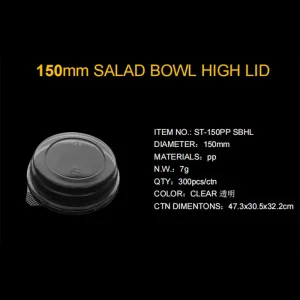
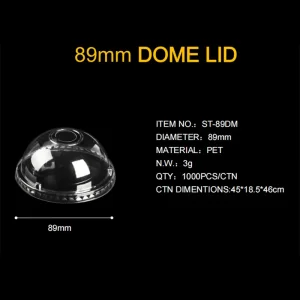
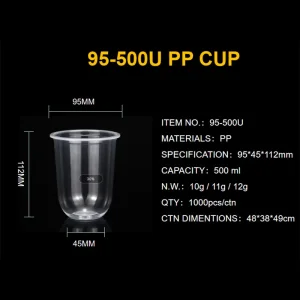
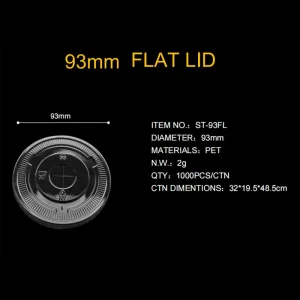
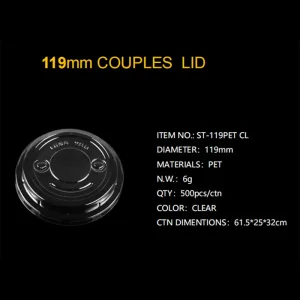
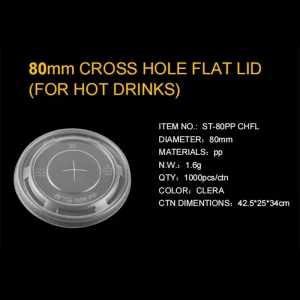
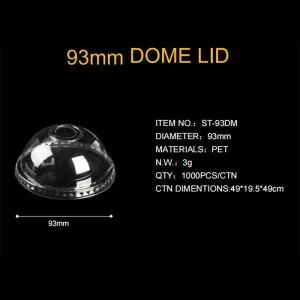
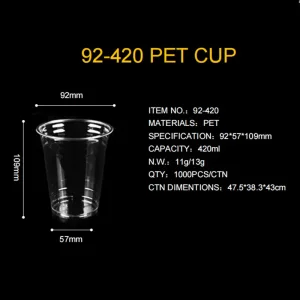
Explore our engineering-grade heat-resistant, high-transparency thermoformed containers and lids designed for commercial foodservice chains.
Analyzing the macro economics, material advancements, and structural shifts driving international packaging compliance.
Regulatory pressures (such as the EU's Single-Use Plastics Directive and US regional bans on PFAS chemicals) are steering large catering operations toward recyclable PP and transparent, recycled PET polymers. Localized tailoring of design tolerances is necessary to meet cold chain and high-temperature logistics realities.
The contemporary global market demands takeout configurations that possess a low carbon footprint without compromising functional structural strength. The paradigm shift involves replacing non-recyclable multi-material laminate boxes with highly recyclable mono-materials (e.g., PP and PET with optical clarity additives).
As logistics channels shorten due to high-efficiency delivery applications, containers must exhibit precision thermal integrity. Integrated anti-spill sealing, optimized steam ventilation slots, and automated sorting compatibility on delivery logistics lines are standard specifications for modern brands.
Established officially in 2010, Guangdong Santai Plastic Industry has spent over a decade perfecting high-volume manufacturing of thermoformed and injection-molded food-grade food service packaging.
The company's primary modern factory complex is situated at No.5, Xinjiang Village Industrial Zone, Changning Town, Boluo County, Huizhou City, Guangdong Province. Spanning a sprawling expanse of 26,500 square meters, the site hosts fully integrated extrusion, thermoforming, and custom printing arrays configured to address international supply demands. Procurement and engineering communication can be channeled directly via our enterprise gateway: [email protected].

Refining thermoforming and polymer processing capability from simple components to high-performance composite designs.
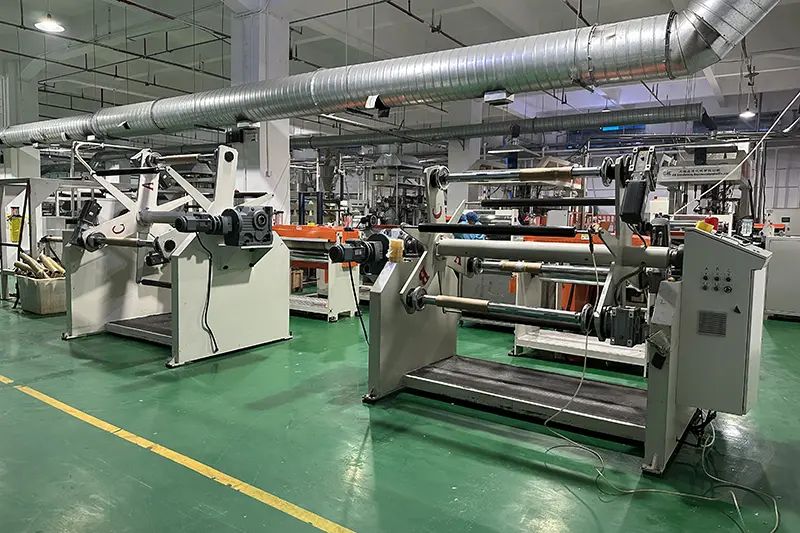
In its startup phase, the company operated with only two fundamental production machines. Facing constraints across capacity, limited equipment options, and low initial market footprint, the management team prioritized mechanical accuracy and food safety norms above all else. Today, the facility has expanded to house 30 thermoforming production lines and 20 extrusion production lines.
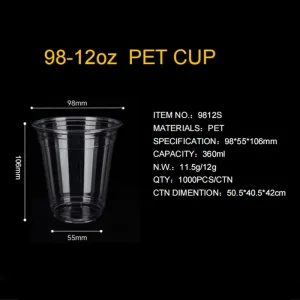
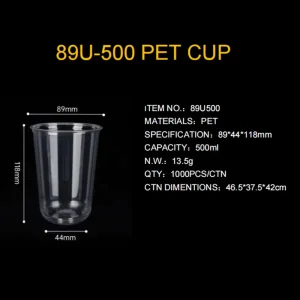
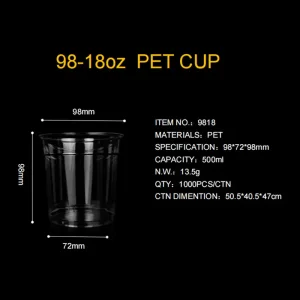
This transformation from a small-scale workshop setup to a modern automated factory allows us to process high-temperature polypropylenes (PP), extremely clear PET, post-consumer recycled resins, and bio-based PLA. The complete product catalog includes PET cold drink cups, matching PET/PP/PS lids, high-barrier injection-molded cups, hot beverage lids, and compostable straws.
"Santai's products demonstrate exceptional stability during transit, remaining intact even after long-haul shipping. Their dimensional precision perfectly matches our equipment, significantly reducing operational losses."

How Santai Plastics balances raw output scale with global decarbonization milestones.
To counter the energy requirements inherent in high-speed extrusion, Santai Plastics has installed large-scale solar array networks over its industrial warehouses. This setup generates clean energy directly to support cleanroom operations and auxiliary tooling processes, lowering grid reliance and lowering the overall carbon impact per unit manufactured.
In response to EU environmental laws and structural changes, our dedicated R&D divisions produce PLA (Polylactic Acid) products derived from corn-starch bases. These compostable straws and cups align with modern circular economy objectives, giving international distribution partners a distinct compliance advantage in localized markets.
"The PLA straws fully comply with EU environmental regulations and have been warmly received in the local market. Santai's R&D capabilities and delivery efficiency far exceed our expectations."

Our ongoing operational improvements and engineering plans for the future of smart, circular food container production.
Reducing polymer weight per unit by 12% via optimized mold flow tooling geometries while retaining required load-bearing strength and rim stiffness for automated lidding.
Developing new cleaning and sorting processes to meet food safety rules for post-consumer recycled plastic, ensuring zero flavor transfer and maintaining structural strength.
Developing internal coatings that limit oxygen transmission to prolong salad and prepared meal shelf-life under refrigeration, removing the need for complex multi-layered packaging.
Custom designs engineered to meet the unique functional requirements of different food service and logistics operations.
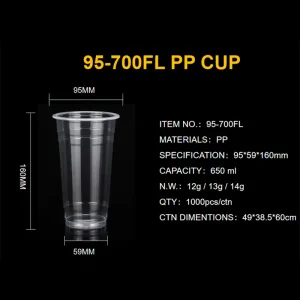
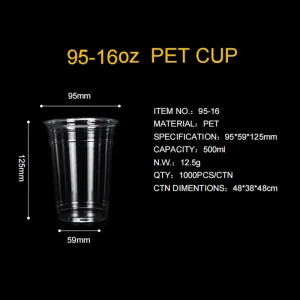
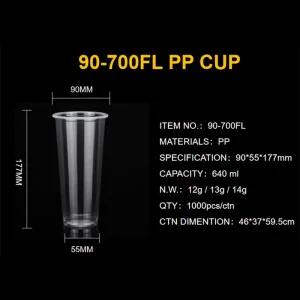
Standardized, nesting cup systems and matching lids designed for high-velocity dispensing lines. Features leak-resistant closures and printable options for brand visibility.
Microwave-safe polypropylenes (PP) engineered to withstand high temperatures. Designed to resist warp, sag, and leakages during deliveries over long distances.
Hermetic rim seal configurations designed for automated thermoformed lidding. Engineered for reliable performance on high-speed industrial packing machinery.
Serving global beverage and food service brands with professional engineering and reliable delivery schedules.
The cleanrooms at Santai Plastics are climate-controlled for constant temperature and humidity, and equipped with air filtration systems. This setup protects products from contamination and ensures compliance with national and international food contact safety standards.
"From sample production to mass manufacturing, Santai's team has impressed with their responsiveness and professionalism. Despite the time difference, communication remains efficient and problem-solving is prompt and thorough."
Technical guidance and sourcing information for importing food containers and cup components from China.
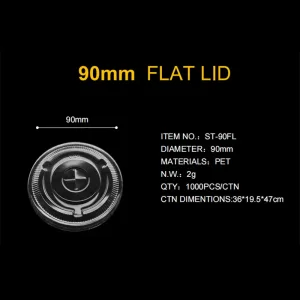
Explore our engineering-grade high-heat flat covers, vacuum cups, and specialized dome lids manufactured with high structural integrity.
 Santai Plastic