Direct from factory floor: Standard-setting, thermoformed, and barrier-coated components designed for global supply resilience.
As the international community converges on rigid decarbonization initiatives, consumer package goods (CPG) companies, fast-casual restaurant syndicates, and premium retail groups face an existential challenge: phasing out non-recyclable polymers without sacrificing shipping tensile integrity or thermal protection. The custom Kraft paper bag has graduated from a simple commoditized grocery carrier into a highly engineered brand asset. Multi-national corporations now view custom-designed Kraft packaging through the lens of supply chain optimization, brand alignment, and structural reliability.
Globally, legislative frameworks such as the EU's Corporate Sustainability Due Diligence Directive (CSDDD) and regional single-use plastic prohibitions are penalizing synthetic packaging. This macro-environmental shift forces major enterprise accounts to secure robust supply arrangements with vertically integrated manufacturers. B2B buyers must prioritize partnerships that guarantee raw material traceability (such as FSC® certification), chemical safety, high tear indices, and structural stability capable of surviving international maritime logistics.


Guangdong Santai Plastic Industry Co., Ltd. officially embarked on its entrepreneurial journey in 2010 and has been deeply involved in the plastic product manufacturing sector for over a decade. Starting as a small production enterprise, it has gradually grown into a highly influential beverage packaging solution provider in the region. The company's factory is located at No.5, Xinjiang Village Industrial Zone, Changning Town, Boluo County, Huizhou City, Guangdong Province. The corporate email is [email protected]. Covering an area of over 26,500 square meters, the production space is well-organized with complete supporting facilities, providing solid support for large-scale production and high-quality product output.
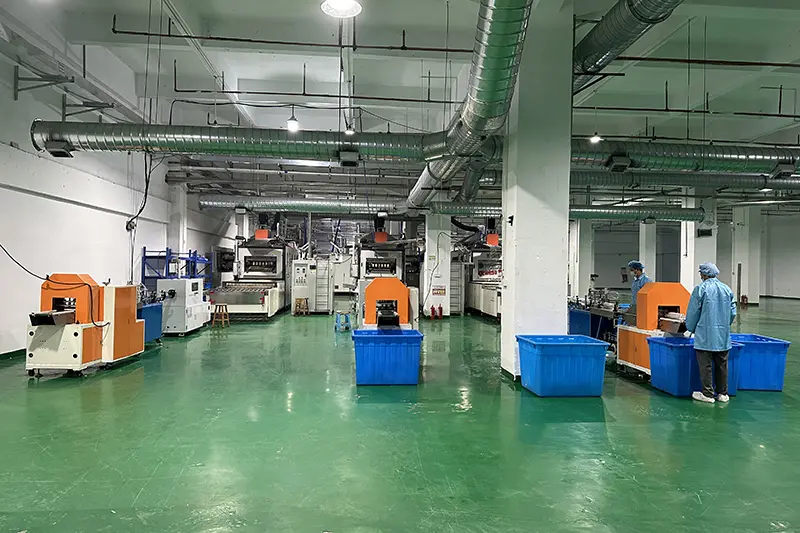
Looking back at Santai Plastic's corporate history, its growth trajectory is marked by relentless perseverance. In the early days, the company barely started with just two basic production machines. Facing multiple challenges like limited equipment, insufficient production capacity, and low market recognition, the team remained committed to quality standards, gradually accumulating experience through simple processing of single product categories. As market demand expanded and technical capabilities improved, the company continuously increased equipment investment and technological upgrades. After years of development, it now operates 30 thermoforming production lines and 20 extrusion production lines, achieving a leapfrog growth in equipment quantity.
Production efficiency and product precision have also improved simultaneously, successfully transitioning from "small-scale workshop production" to "modern large-scale manufacturing."
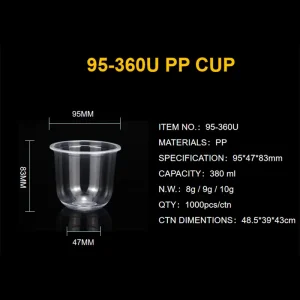
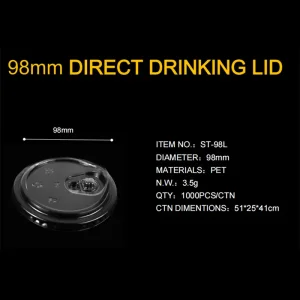
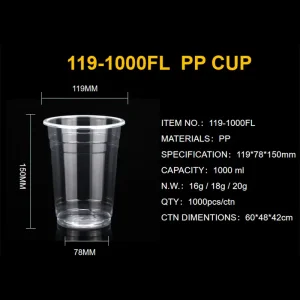
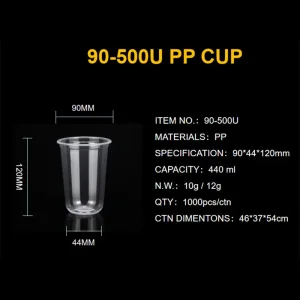
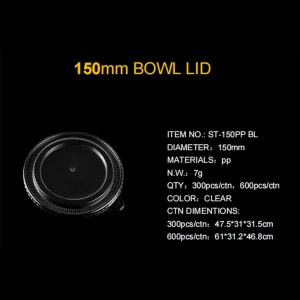
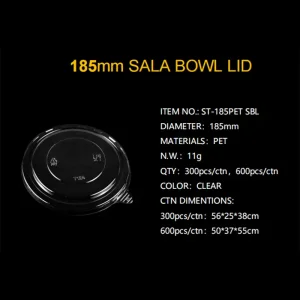
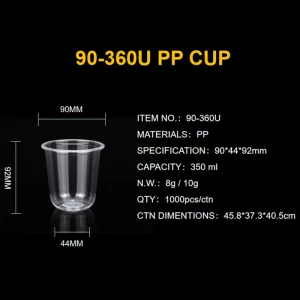
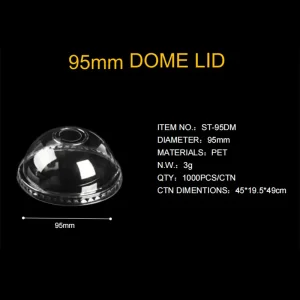
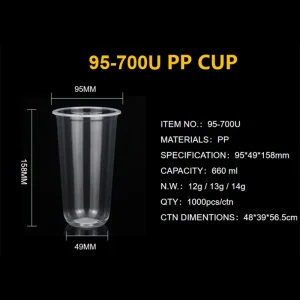
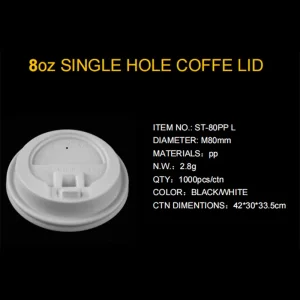
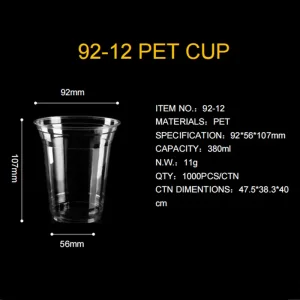
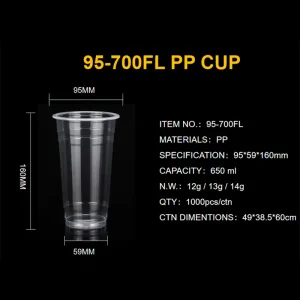
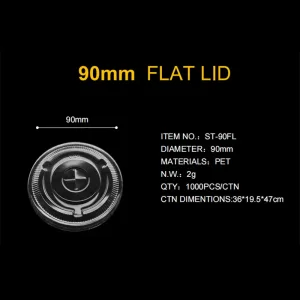
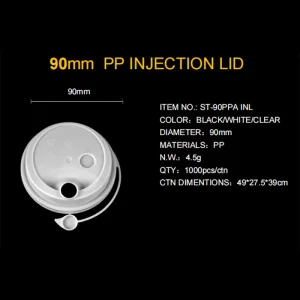
The product range has expanded to cover the entire spectrum of beverage packaging, including PET cold drink cups, PET cup lids, PP cups, PP cup lids, PS cup lids, injection-molded cups, injection-molded lids, PLA straws, PP straws, and paper straws, comprehensively meeting diverse needs in catering, beverage chains, and other scenarios.
Exploring the metallurgical, chemical, and physical constraints that govern high-yield custom Kraft bag manufacturing.
We calibrate base Kraft paper weights from 70 GSM up to 150 GSM. Using long-fiber unbleached softwood sulfate pulps, we secure a Burst Index exceeding 3.5 kPa·m²/g, ensuring bottom dropouts are eliminated even when holding maximum weight capacities under high humidity.
Traditional PE coatings block recycling streams. Our engineering department applies next-generation PLA (Polylactic Acid) and water-borne dispersion barriers. These barriers achieve oil-resistance kit levels of 8-10, preventing grease migration without compromising composting capability.
Using high-resolution, water-based non-toxic inks on central impression flexographic presses, we execute complex vector branding layouts. Our setup guarantees color register accuracy up to ±0.15mm and retains rich contrasts on textured, unbleached brown paper stocks.
As a growing enterprise, Santai Plastics has consistently integrated social responsibility into its development strategy, with sustained efforts in environmental protection. The company actively develops and promotes eco-friendly products, including PLA and paper straws, while progressively adopting recyclable PET and biodegradable PP materials for cup production to reduce traditional plastics' environmental impact.
Additionally, it drives green production upgrades by installing solar power systems to supply clean energy for workshops and offices, significantly cutting annual carbon emissions. The company also optimizes wastewater and exhaust gas treatment processes to achieve resource recycling, demonstrating its commitment to "low-carbon manufacturing" and setting an industry benchmark for sustainable development.
Our packaging plant maintains a closed-loop system where all waste paper clippings generated during the bag handle punching and bottom folding phases are immediately sorted and routed to hydrapulpers for re-processing. This minimizes virgin fiber waste, aligning with global circular economy goals.


Operating controlled-climate cleanrooms and modern facilities to deliver certified food contact safety across major global markets.
Additionally, strict compliance with food-grade production standards: The company operates standardized cleanrooms with constant temperature and humidity control, equipped with high-efficiency air purification systems and precision testing equipment. This ensures product hygiene and safety from production source, guaranteeing each batch meets national food contact material safety standards, earning trust from customers and consumers. The company's premium products and services have not only gained domestic recognition but also received high praise from international clients.
"Santai's products demonstrate exceptional stability during transit, remaining intact even after long-haul shipping. Their dimensional precision perfectly matches our equipment, significantly reducing operational losses."
— Southeast Asian beverage chain customer
"The PLA straws fully comply with EU environmental regulations and have been warmly received in the local market. Santai's R&D capabilities and delivery efficiency far exceed our expectations, making them a reliable long-term partner."
— European client
"From sample production to mass manufacturing, Santai's team has impressed with their responsiveness and professionalism. Despite the time difference, communication remains efficient and problem-solving is prompt and thorough."
— Middle Eastern client
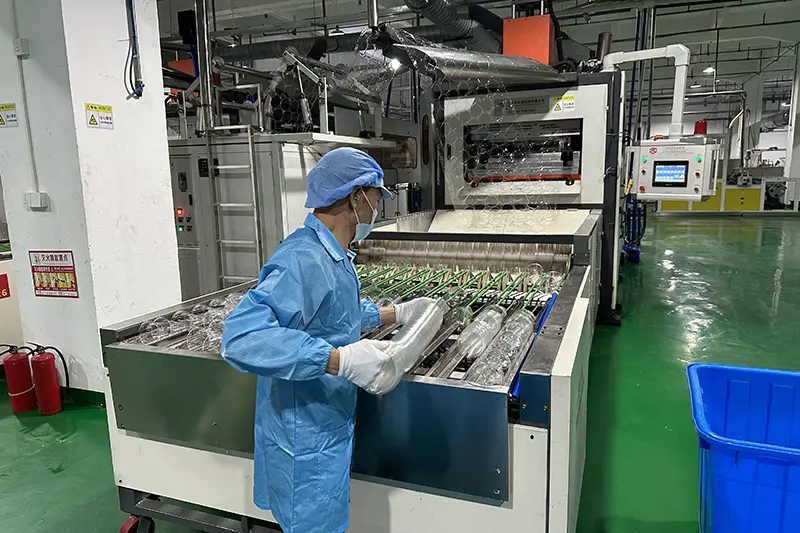
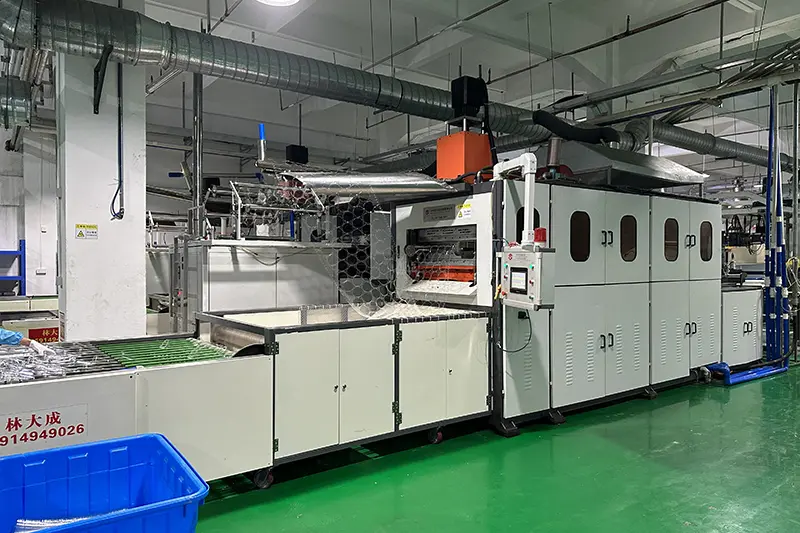
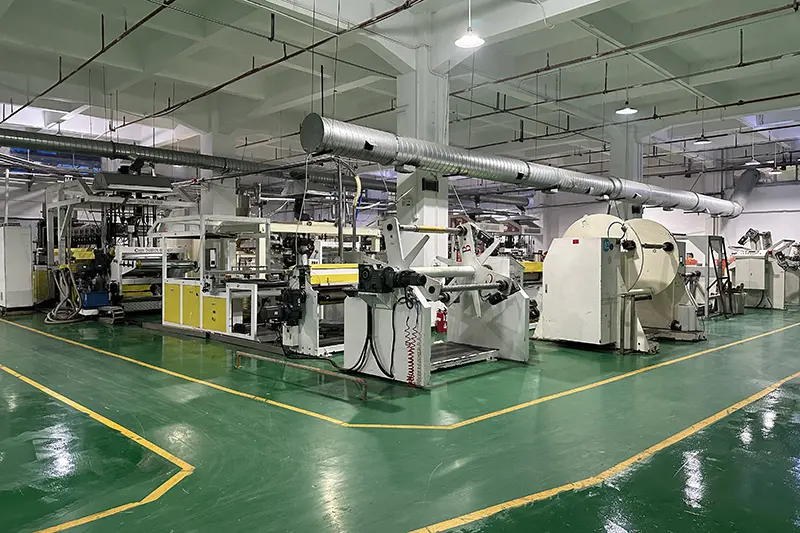
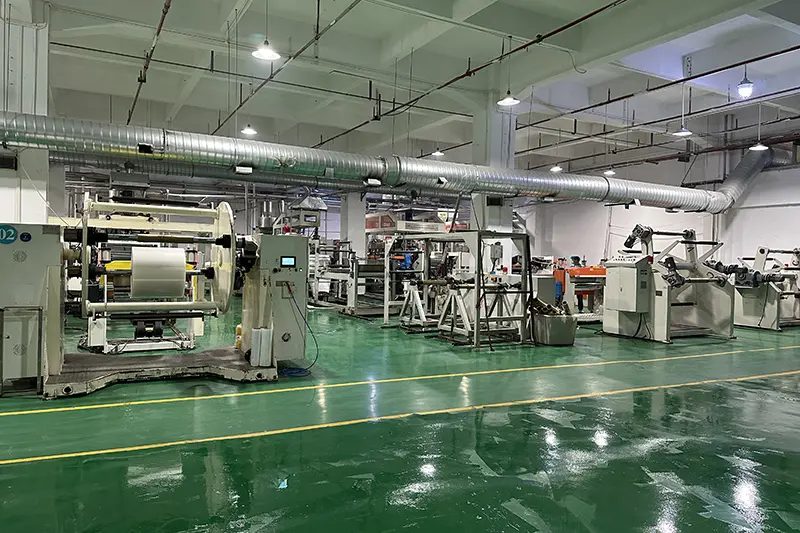
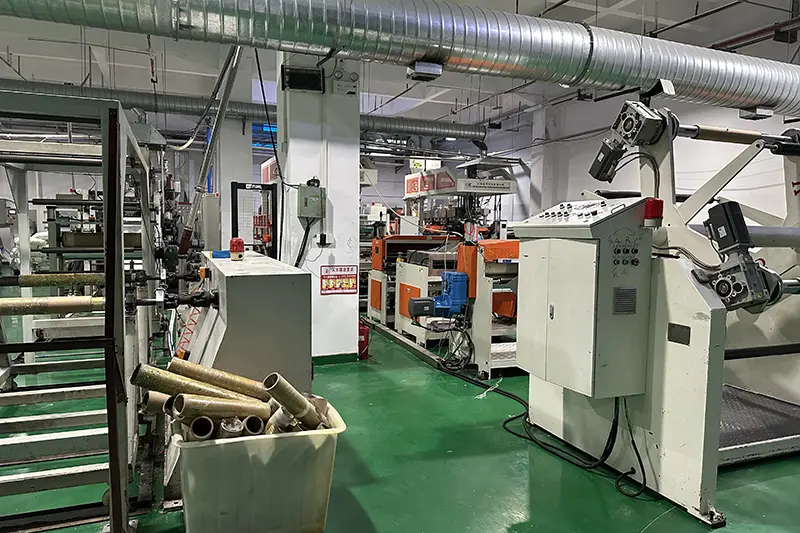
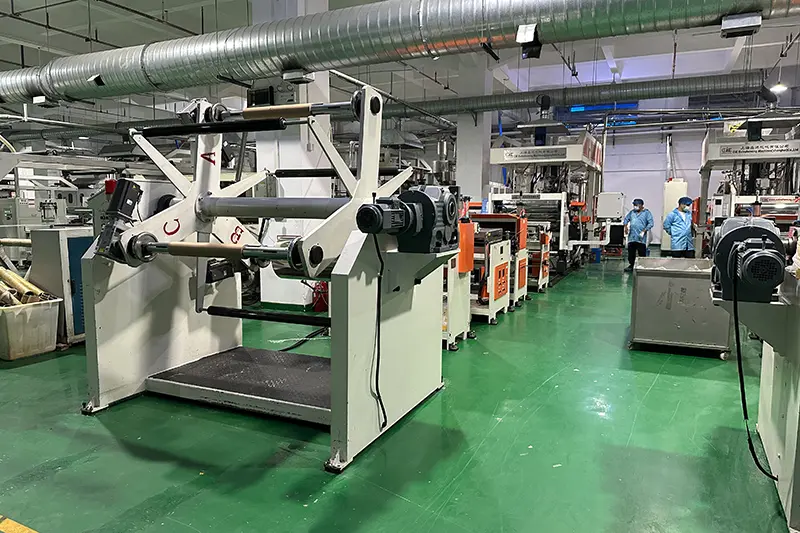
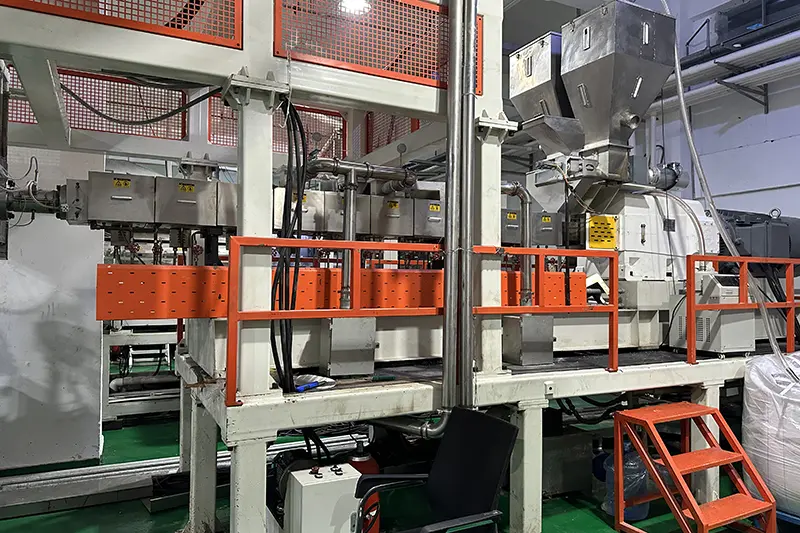
Additionally, strict compliance with food-grade production standards: The company operates standardized cleanrooms with constant temperature and humidity control, equipped with high-efficiency air purification systems and precision testing equipment. This ensures product hygiene and safety from production source, guaranteeing each batch meets national food contact material safety standards, earning trust from customers and consumers.
The company's premium products and services have not only gained domestic recognition but also received high praise from international clients. A Southeast Asian beverage chain customer commended: "Santai's products demonstrate exceptional stability during transit, remaining intact even after long-haul shipping. Their dimensional precision perfectly matches our equipment, significantly reducing operational losses."
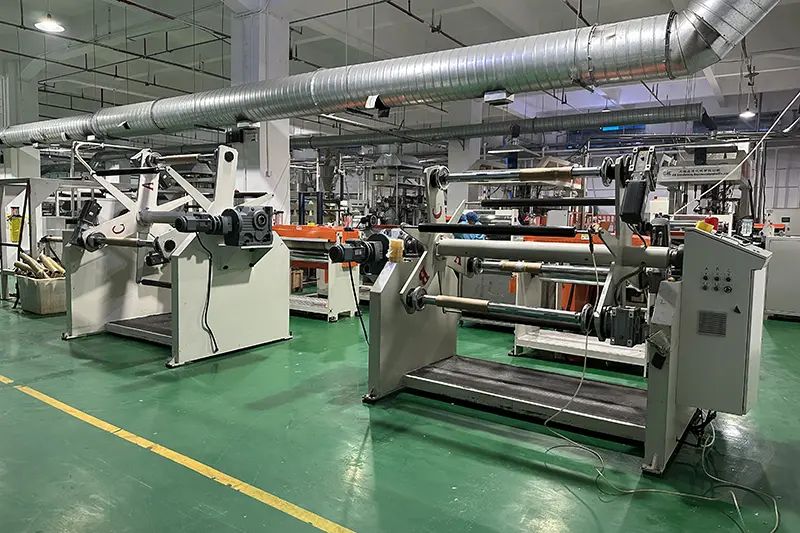
Deploying automated, continuous inline manufacturing systems to transition from high-density plastics to plant-based fibers.
Our upcoming line integrates inline handle pasting, side-gusseting, and bottom reinforcements in a single pass. This continuous process reduces structural faults and delivers an output rate of up to 350 bags per minute.
We are testing advanced starch-based formulas that increase moisture resistance by 40% at high temperatures, ensuring seams stay secure even when packed with hot, humid takeout containers.
We are refining vegetable-based, water-soluble pigments to ensure they dissolve quickly during recycling, leaving zero toxic chemical residues in municipal pulp recovery facilities.
Addressing the technical, regulatory, and mechanical questions essential for industrial procurement officers.
Complementing our eco-packaging with high-performance PP, PET, and food-grade lid arrays.
 Santai Plastic