 Santai Plastic
1 / 1
PP meets international food safety standards, resistant to chemicals and temperature extremes, with excellent mechanical properties and transparency. It is lightweight, cost-effective, recyclable, and offers moisture-proof and barrier properties, making it versatile for various packaging applications.
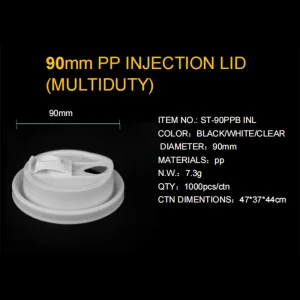
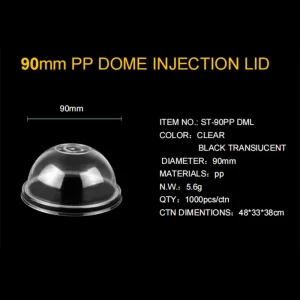
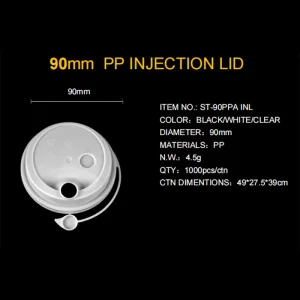
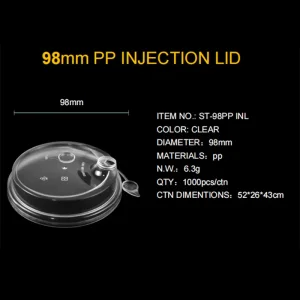
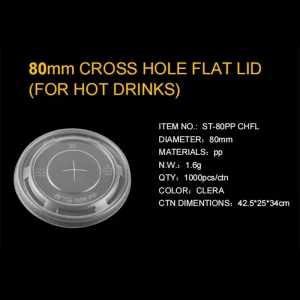
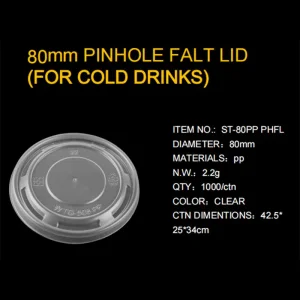
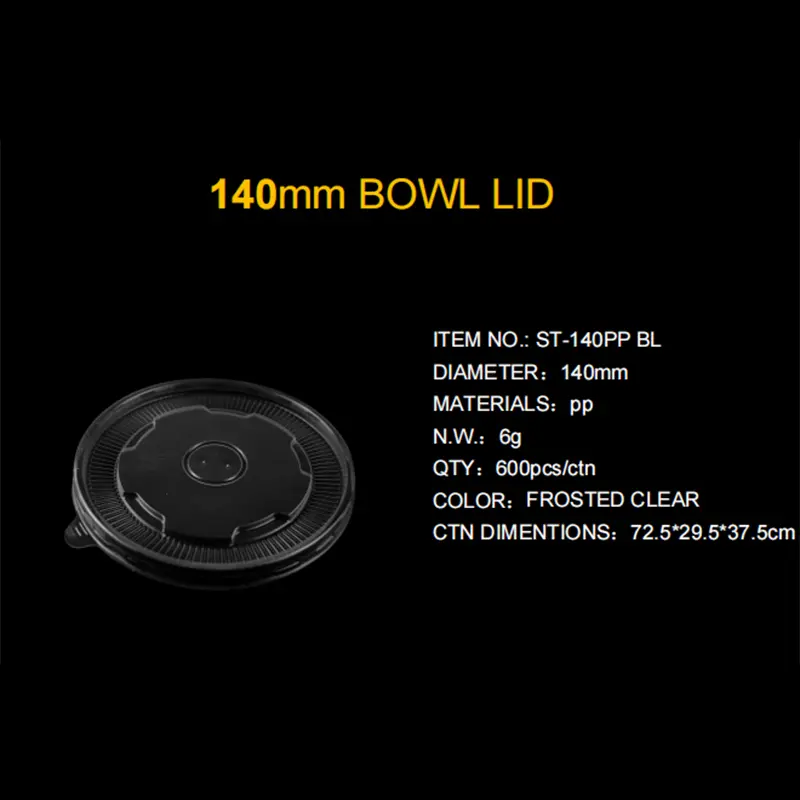
PP lid: Suitable for scenarios requiring microwave heating. PP (Polypropylene) material has excellent heat resistance, making it ideal for microwave heating. It maintains its integrity and does not degrade under high temperatures, ensuring safe and effective heating of your food. Additionally, PP material effectively prevents food from absorbing odors, preserving the original flavor and aroma of the contents. This makes it particularly useful for storing and reheating foods with strong smells, such as garlic, onions, or seafood, without transferring those odors to other items in the refrigerator or pantry. Polypropylene is also known for its lightweight nature and durability, which means it can withstand repeated use and cleaning without losing its shape or functionality. Furthermore, PP lids are often designed with airtight seals, enhancing their ability to keep food fresh for longer periods. The material's non-porous surface ensures that it is easy to clean and resistant to staining, making it a practical choice for busy households. Its versatility extends beyond microwaves; PP lids can be used in conventional ovens up to certain temperature limits, adding to their convenience. Additionally, polypropylene is recyclable, contributing to environmental sustainability. These features make PP lids a reliable option for various culinary needs, from meal prep and storage to reheating and serving.
In the industrial sector, PP (polypropylene) is widely used for manufacturing chemical containers, pipes, mechanical parts, and more, due to its exceptional chemical corrosion resistance and heat resistance, which makes it ideal for handling harsh chemicals and high temperatures. This versatility allows PP to be used in various industrial processes, including chemical processing plants, oil refineries, and wastewater treatment facilities, where exposure to corrosive substances and extreme temperatures is common.
In the medical field, medical-grade PP is utilized for making medical instruments, surgical tools, medical packaging, and other critical healthcare products because it is non-toxic, odorless, and meets stringent hygiene standards, ensuring patient safety and compliance with regulatory requirements such as ISO 13485 and FDA guidelines. In food packaging, PP materials are employed to create food bags, food boxes, straws, and other containers due to their safety, hygiene, and chemical resistance, which helps preserve the quality and integrity of food products by preventing contamination and maintaining freshness over extended periods.
In automotive manufacturing, PP materials are essential for producing car bumpers, interior parts, instrument panels, and other components due to their high strength and impact resistance, contributing to vehicle safety and durability, especially in crash scenarios and daily wear and tear. In home appliance manufacturing, PP materials are used for making refrigerator exteriors, washing machine covers, and other components due to their heat resistance and excellent electrical insulation properties, enhancing both functionality and safety by protecting sensitive electronic components from overheating and electrical interference.
In the construction sector, PP is utilized for manufacturing building pipes, insulation materials, floor materials, and more, thanks to its chemical corrosion resistance and UV resistance, which ensures long-lasting performance and protection against environmental factors such as moisture, sunlight, and temperature fluctuations. In the electronics and electrical industry, PP materials are crucial for making cable sheaths, sockets, switches, and other components due to their superior electrical insulation properties, which are vital for safe and efficient electrical systems by preventing short circuits and electrical fires.
In the textile industry, PP fibers are used for making carpets, ropes, clothing, and other textiles due to their light weight, warmth retention, and wear resistance, providing comfort and durability in various applications, from outdoor gear to indoor furnishings. In agriculture, PP materials are employed for making agricultural films, water pipes, agricultural packaging, and other equipment due to their durability and low cost, offering reliable solutions for farming needs, such as greenhouse covers and irrigation systems.
The widespread application of PP materials is attributed to their lightweight nature, chemical resistance, excellent electrical insulation properties, and outstanding processing performance, among other characteristics. With ongoing technological advancements, the application areas of PP materials are expected to continue expanding, opening new possibilities across diverse industries, including renewable energy, aerospace, and advanced manufacturing technologies.