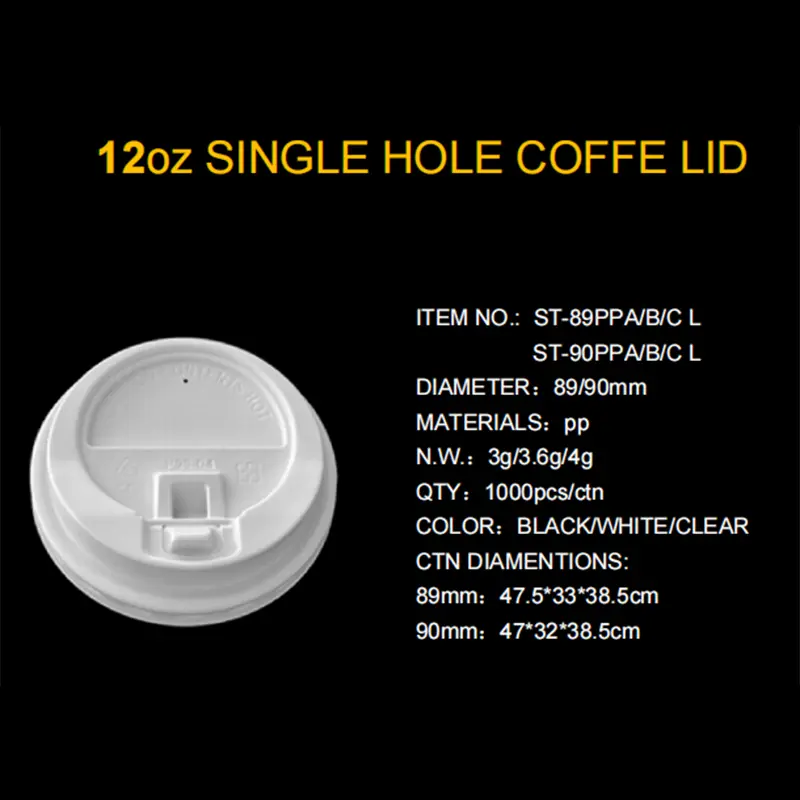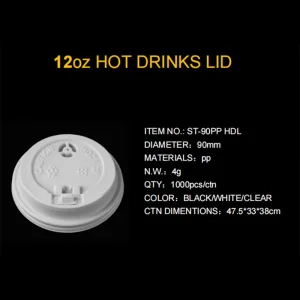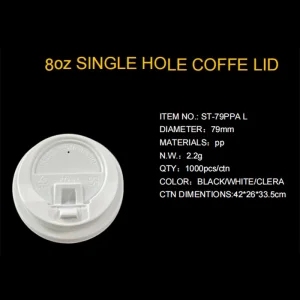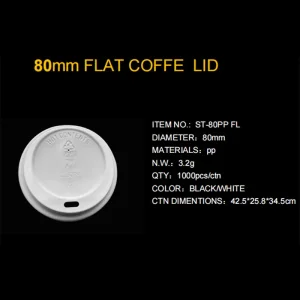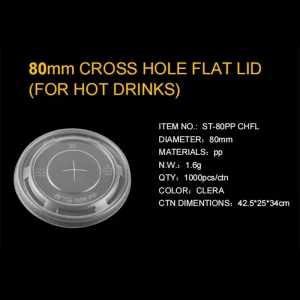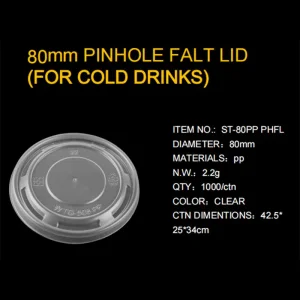
Custom PP12 single hole coffee shop can withstand high temperatures Supplier, Factory

Vacuum-formed products use PVC, PET, PP, PS, GAG, and flocking for high-end packaging in electronics, stationery, toys, hardware, food, and daily chemicals. Key materials: PVC for flexibility and transparency; PET for strength and barrier properties; PP for heat and chemical resistance; PS for a glossy finish; GAG for enhanced thermal stability. Vacuum packaging is cost-effective, extends shelf life, and enhances product appearance.

Product Description

Product Advantages

Vacuum forming packaging is an important packaging technology that offers functions such as enhancing product price and image, displaying and protecting products, separating, cushioning, and supplementing. It is widely used in small items like food, electronic products, small toys, stationery, cosmetics, etc., to improve market competitiveness.

Feature

PP vacuum forming is environmentally friendly, aesthetically pleasing, and suitable for various printing methods like screen and offset printing, gold foil stamping. It offers high transparency, flexibility, and temperature resistance, making it ideal for diverse applications including food safety and microwave use.

Introduction

Thermoforming packaging uses heated plastic sheets shaped over molds to create durable, flexible, and environmentally friendly containers. Key materials include PVC, PET, PP, PS, and eco-friendly options, each suited for specific applications like medical, food, and automotive industries. Production involves mold making, heating, vacuum forming, and trimming.
Frequently Asked Questions
1. What is the primary purpose of vacuum forming packaging?
It is used to enhance product price and image, display and protect products, and provide separation and cushioning for items like food, electronics, and cosmetics.
2. Is PP vacuum forming safe for food?
Yes, PP (Polypropylene) vacuum forming is environmentally friendly, flexible, temperature resistant, and suitable for food safety and microwave use.
3. What materials are commonly used in thermoforming?
Common materials include PVC, PET, PP, PS, and various eco-friendly material options suited for medical, food, and automotive applications.
4. Can vacuum-formed products be printed on?
Yes, materials like PP are suitable for various printing methods, including screen printing, offset printing, and gold foil stamping.
5. What is the process of producing thermoformed packaging?
The production process involves four main stages: mold making, heating the plastic sheet, vacuum forming the shape, and trimming the finished product.

Related Products