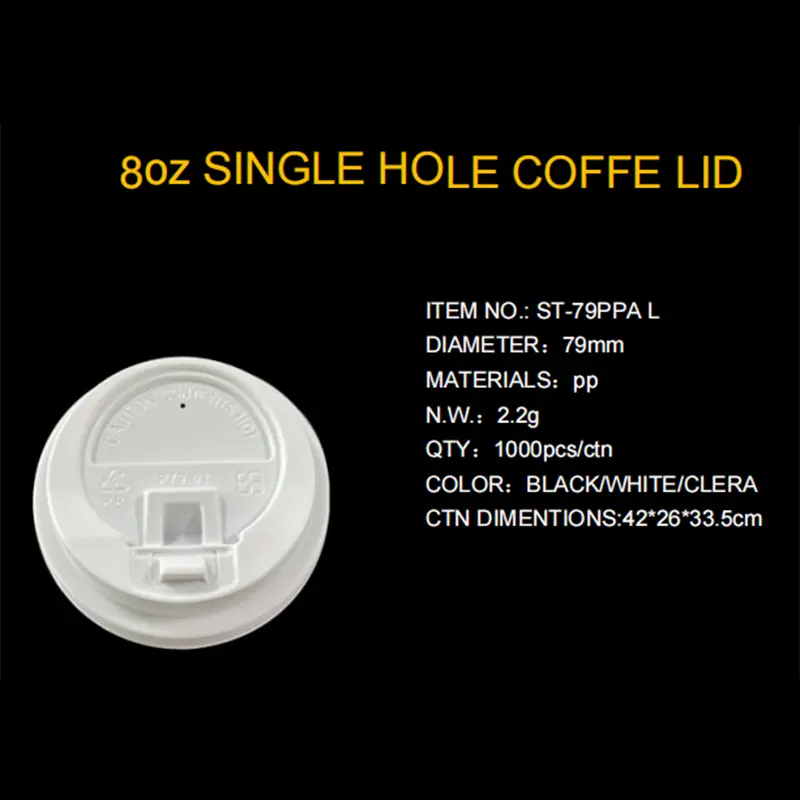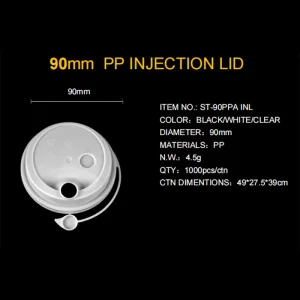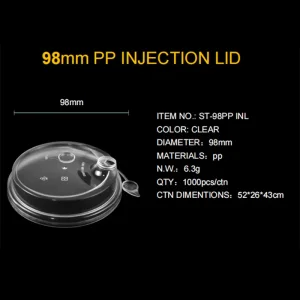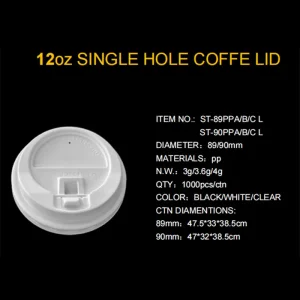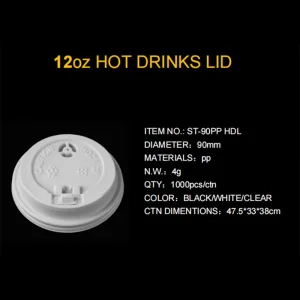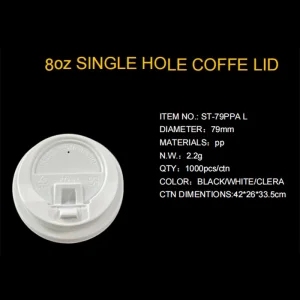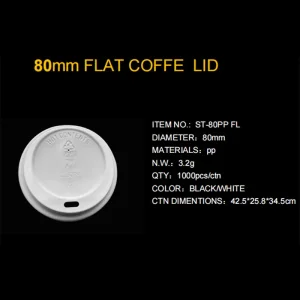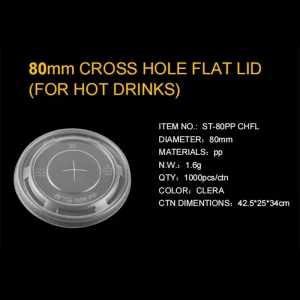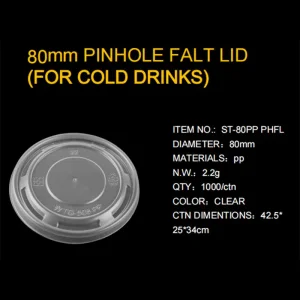
China PP79 single hole coffee cap can withstand high temperatures Suppliers, Factory

Vacuum-formed products use diverse materials for high-end packaging, ensuring cost-effectiveness, product freshness, and aesthetic appeal.

Product Description

product advantages

Vacuum forming packaging is an important technology for enhancing product value, display effect, and protection. This method involves heating plastic sheets until they become pliable, placing them on a mold, and using a vacuum to shape the plastic around the mold. The resulting custom packaging provides robust protection against physical and environmental damage. Widely used for items such as food, electronics, toys, stationery, and cosmetics, vacuum forming packaging enhances market competitiveness by offering attractive and safe solutions. Additionally, it allows for easy customization and mass production, making it an economical choice for businesses aiming to stand out in the market.

Feature

PP vacuum forming is environmentally friendly, recyclable, and has a lower carbon footprint. It minimizes waste, supports sustainable practices, and features smooth surfaces and precise detailing. Versatile, it accommodates screen printing, offset printing, and gold foil stamping for intricate designs. High transparency, flexibility, and temperature resistance make it suitable for diverse applications, including food packaging and consumer electronics.

Introduction

Thermoforming uses heated plastic sheets, such as PET or HDPE, shaped over molds to create sustainable packaging. It is widely used in food, medical, and consumer goods industries for lightweight, durable, and aesthetically pleasing products. Key benefits include recyclability, precise molding, and environmental sustainability.
Frequently Asked Questions
1. What is vacuum forming packaging?
Vacuum forming is a manufacturing process that heats plastic sheets until they are pliable and uses a vacuum to mold them into specific shapes, providing excellent product protection and display aesthetics.
2. What materials are commonly used in vacuum forming?
Commonly used materials include PET, PP, and HDPE, which are selected for their durability, clarity, and sustainability features depending on the application.
3. Is PP vacuum forming environmentally friendly?
Yes, PP (Polypropylene) vacuum forming is highly environmentally friendly, as it is recyclable, produces minimal waste, and has a lower carbon footprint compared to many other materials.
4. What are the key benefits of thermoforming?
Key benefits include cost-effectiveness for mass production, high precision in molding, recyclability, and the ability to create lightweight yet durable packaging solutions.
5. Which industries typically use vacuum forming?
It is widely used across various industries, including food and beverage, electronics, medical devices, toys, stationery, and cosmetics.
6. Can vacuum formed packaging be customized?
Absolutely. The process allows for full customization regarding shape, size, and design, and materials like PP can support screen printing and other finishing techniques for branding purposes.

Related Products