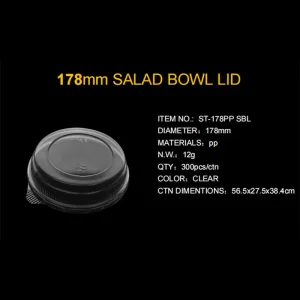
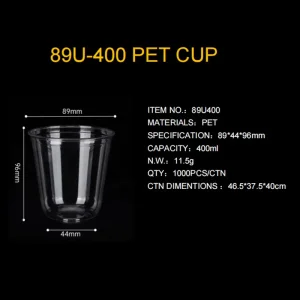
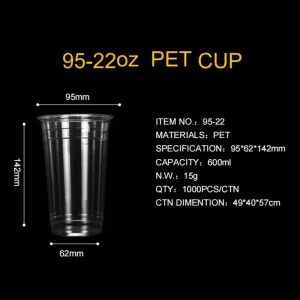
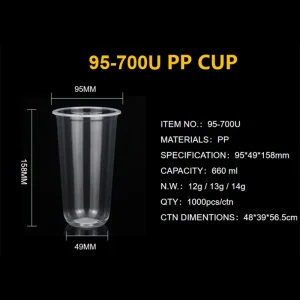
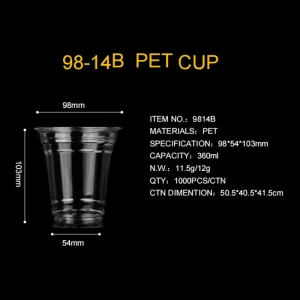
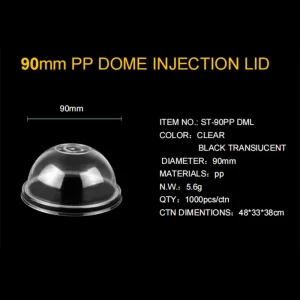
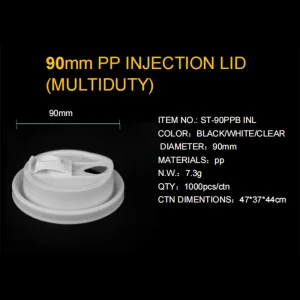
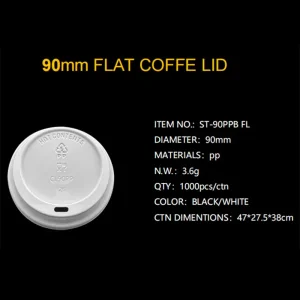
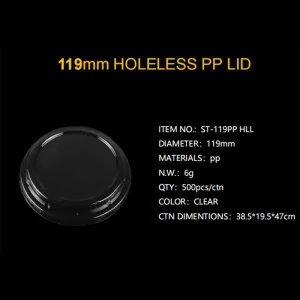
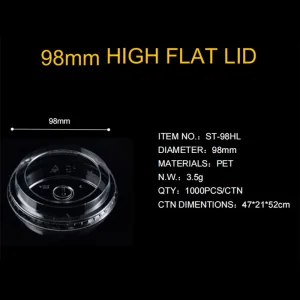
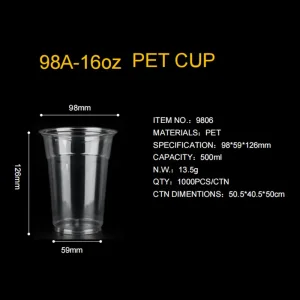
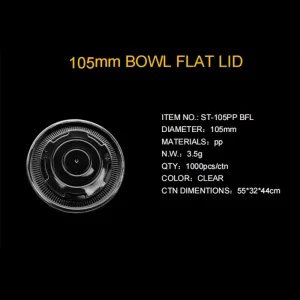
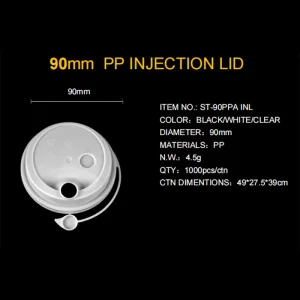
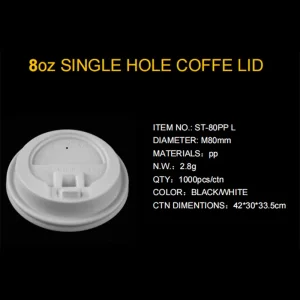
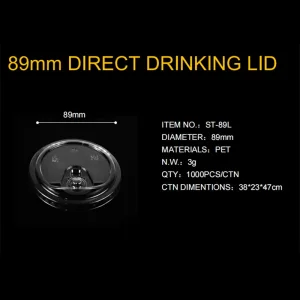
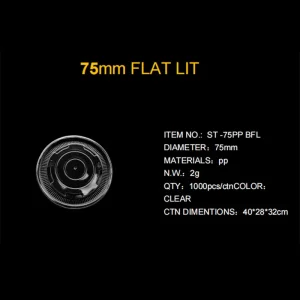
In the global food and beverage packaging industry, the term "heat-resistant" is not merely a label—it is a critical performance metric. As we move further into an era of high-velocity delivery logistics, packaging materials must endure thermal stress, mechanical pressure, and rigorous supply chain handling. For procurement managers and factory partners, understanding the molecular foundations of Polypropylene (PP) versus Polyethylene Terephthalate (PET) is the first step toward effective inventory management.
At Guangdong Santai Plastic Industry Co., Ltd., we have dedicated over 15 years to refining the injection molding and thermoforming processes. Our engineering approach emphasizes the structural integrity of high-density polymers, ensuring that our products maintain shape and sealability even at temperatures exceeding 90°C. This whitepaper outlines the strategic necessity of utilizing professional-grade, heat-resistant plastic cups to reduce operational losses and enhance brand trust.
International beverage chains require consistency. From the US to Southeast Asia, local market volatility demands that suppliers maintain stable raw material pipelines. Our 26,500 sqm facility ensures mass production capabilities that stabilize your Q4 procurement cycles.
Hot coffee, soups, and delivery-centric food items require specific heat deflection temperatures. Our specialized PP injection lines are calibrated to prevent warping, ensuring that lids always fit, regardless of the heat source.
High-quality, dimensionally precise packaging means fewer spills during transit. A 0.1mm deviation in lid design causes leakage; our factory utilizes precision testing equipment to guarantee a leak-proof seal.
Santai Plastic’s journey from a two-machine operation to an industry leader reflects the broader evolution of the Chinese manufacturing landscape. We have transitioned from manual labor to Industry 4.0 standards. Our current infrastructure comprises 30 thermoforming lines and 20 extrusion lines, monitored by advanced AI-driven quality control systems.
The Future Roadmap:
Operating in a global market requires strict adherence to international safety standards. Our cleanroom environments maintain rigorous constant temperature and humidity controls. This ensures that every cup and lid—whether for hot drinks or cold food—meets food-contact material safety standards. We provide documentation for global shipping, facilitating customs clearance and ensuring that our European and Southeast Asian partners face zero regulatory hurdles.
"Santai's R&D capabilities and delivery efficiency far exceed our expectations," notes a key European partner. This trust is built on our traceability—every batch can be tracked back to its specific production line and material source.
Q: What is the maximum temperature resistance of your PP cups?
A: Our standard food-grade PP cups are engineered to withstand temperatures up to 110°C, making them safe for hot coffee, tea, and microwave-reheated foods.
Q: Can you handle custom printing for branding?
A: Yes, we offer full-service custom printing, from logo application to full-color graphic design, enhancing your brand visibility on the retail shelf.
Q: What is your typical lead time for international bulk orders?
A: Thanks to our 26,500 sqm facility and 200+ injection machines, we can scale from sample production to mass manufacturing rapidly, with timelines optimized for long-haul shipping efficiency.
Q: How do you ensure product hygiene?
A: We operate standardized cleanrooms equipped with air purification systems and precision testing to ensure every item complies with international food-grade safety protocols.
 Santai Plastic