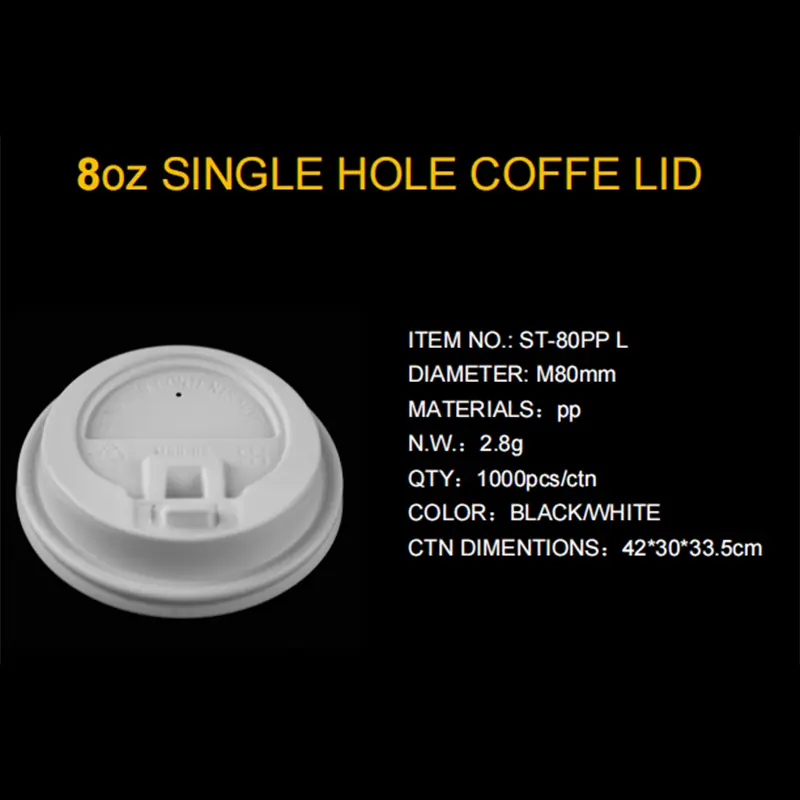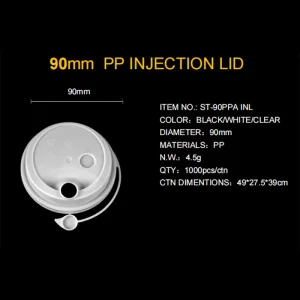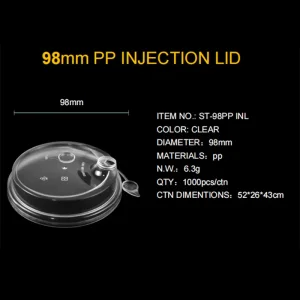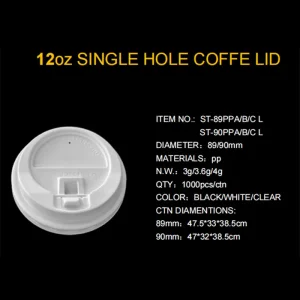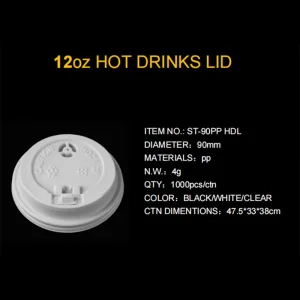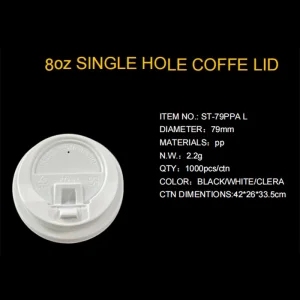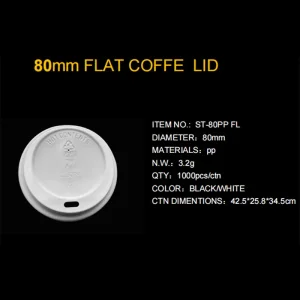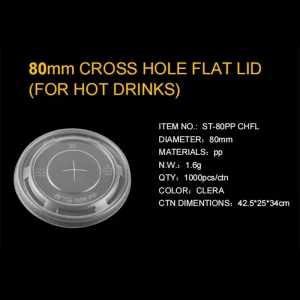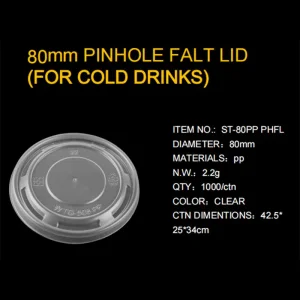
China PPm80 single-hole coffee maker resistant to high temperatures Factories, Factory

Vacuum-formed products utilize high-quality plastic materials to provide excellent protective functions, suitable for multiple industries, with advantages such as cost-effectiveness and extended shelf life, making it a versatile and efficient packaging solution.

Product Description

Product Advantages

Vacuum forming packaging enhances product price, image, and brand recognition by shaping durable, visually appealing containers through heat and pressure. It protects and displays small commodities, consumer goods, and fragile items, using clear materials to attract customers and ensure product safety during transport and storage.

Feature

PP vacuum forming is environmentally friendly using recyclable materials, reducing waste. It offers aesthetic appeal with smooth surfaces and precise detailing, supporting various printing techniques like silk screen and offset printing, and gold foil stamping. Key features include heat and cold resistance, high transparency, flexibility, ease of folding, food safety compliance, and microwave suitability.

Introduction

Thermoforming packaging uses plastic sheets heated and shaped over molds, suitable for various industries. Key materials include PVC, PET, PP, PS, and eco-friendly options, each with unique properties. Applications span electronics, food, toys, automotive, and pharmaceuticals, utilizing products like blister packs, trays, and boxes. Production involves mold making, heating, vacuum forming, and trimming, with advanced techniques and mold types enhancing precision and efficiency.
Frequently Asked Questions

1. What are the main benefits of vacuum forming packaging?
Vacuum forming enhances product value, brand recognition, and provides excellent protection for fragile goods through heat-shaped, durable, and visually appealing designs.
2. Is vacuum forming packaging eco-friendly?
Yes, particularly with materials like PP, vacuum forming uses recyclable materials to reduce waste, offering an environmentally conscious packaging solution.
3. What types of materials are commonly used?
Common materials include PVC, PET, PP, and PS. Each material offers specific properties such as high transparency, flexibility, or heat resistance tailored to different industries.
4. Can this packaging be used for food products?
Yes, many vacuum-formed products, especially those made from specific materials like PP, are food safety compliant and suitable for microwave use.
5. What industries utilize thermoforming packaging?
It is widely used across various sectors including electronics, food, toys, automotive, and pharmaceuticals for blister packs, trays, and protective boxes.
6. Does vacuum forming support custom branding?
Yes, the smooth surfaces and precise detailing support various high-quality printing techniques, including silk screen, offset printing, and gold foil stamping to boost brand image.

Related Products