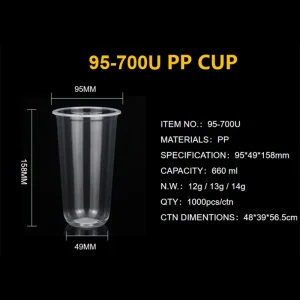
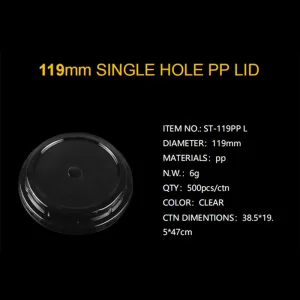
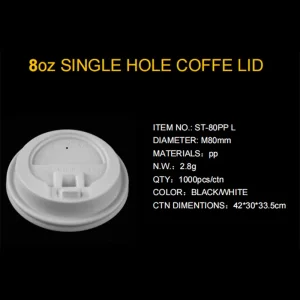
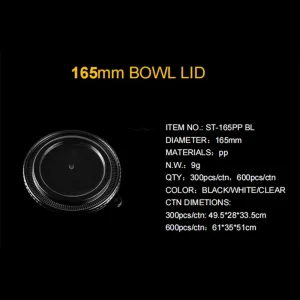
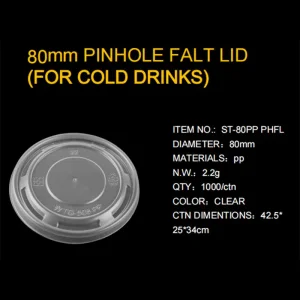
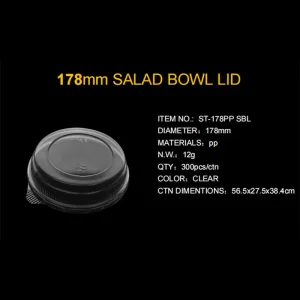
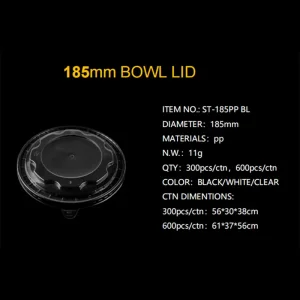
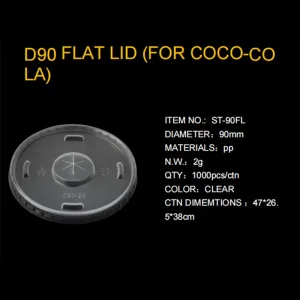
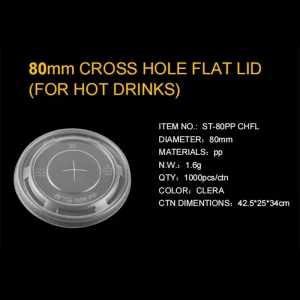
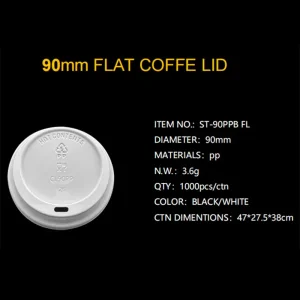
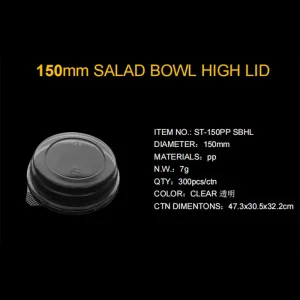
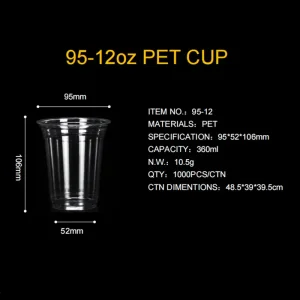
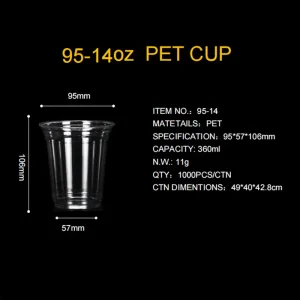
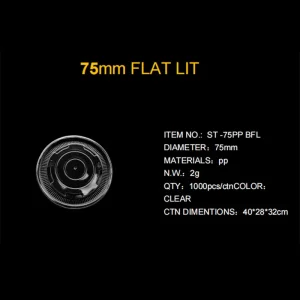
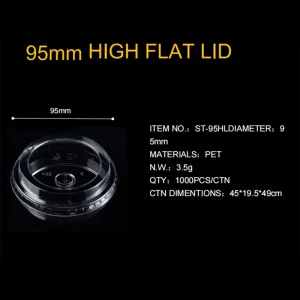
In the contemporary landscape of the global food and beverage packaging industry, the term "Plastic Cups" transcends mere utility. As a leading manufacturer and supplier, we observe that the market is currently navigating a pivotal transition towards **Material Science Innovation** and **Supply Chain Resilience**. The shift from traditional commodity manufacturing to high-value, food-grade packaging solutions is driven by the necessity for both performance and environmental stewardship.
The manufacturing of plastic cups—specifically PP (Polypropylene) and PET (Polyethylene Terephthalate)—requires a meticulous approach to thermoforming and injection molding. Information Gain: Modern manufacturing isn't just about shaping plastic; it's about optimizing the crystallinity and barrier properties of materials to ensure heat resistance (vital for coffee and soup containers) and clarity (crucial for visual merchandising in QSRs - Quick Service Restaurants).
㎡ Industrial Footprint
Years of Expertise
Injection Machines
R&D Engineers
Whether for a bustling Southeast Asian boba tea chain requiring high-precision lids, or European retailers demanding stringent eco-compliance (PLA straw integration, recyclable PET cups), the ability to bridge the gap between design and mass production is key. Our factory utilizes high-efficiency cleanrooms, ensuring that every unit—from high-temperature resistant bowl lids to cold-drink cups—meets international safety standards.
Santai Plastic Industry Co., Ltd. has integrated "Low-Carbon Manufacturing" into its core DNA. By implementing solar power systems in our workshops and optimizing waste heat recovery from thermoforming lines, we significantly reduce carbon footprints. Our product development cycle—from rapid prototyping to mass-scale thermoforming—is calibrated for resource efficiency.
Our commitment to food-grade safety starts from the raw material procurement. Operating under strict temperature and humidity controls, our cleanrooms ensure product integrity. Clients from the Middle East to Europe have lauded our dimensional accuracy, which reduces downstream operational losses in automated filling lines.
Q: What is the significance of "High-Temperature Resistance" in PP cups?
A: High-temperature resistance allows for hot-fill applications (like coffee or soups). Using specialized PP grades, these cups retain their structural integrity at temperatures exceeding 95°C, preventing deformation and leakage.
Q: How does your company address sustainability?
A: We are actively shifting towards eco-friendly alternatives like PLA (Polylactic Acid) and recyclable PET. Our production line upgrades focus on minimizing energy consumption and utilizing clean energy sources.
Q: Why is precise dimensional control important for manufacturers?
A: In automated food packaging environments, even a 0.5mm variance can cause jamming in machines. Our high-precision molding ensures perfect lid-to-cup fitting, maximizing operational throughput for our clients.
 Santai Plastic