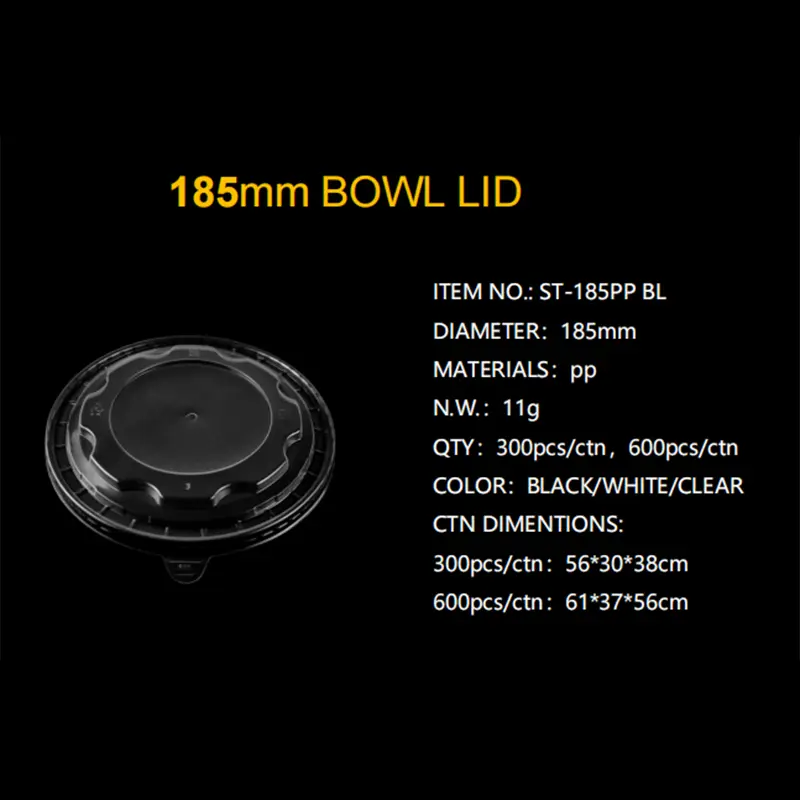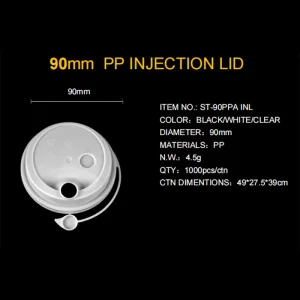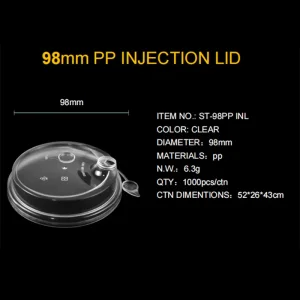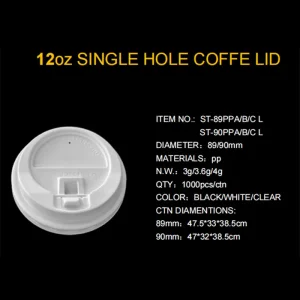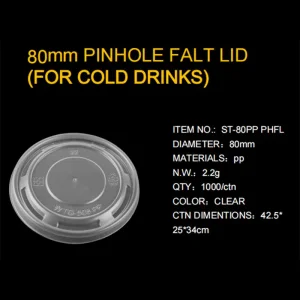
China High-Temperature Resistant PP185 Bowl Lid - Food-Grade, Lightweight, Durable from China Suppliers & Factory Manufacturers, Factories

Discover our food-grade PP plastic bowls, designed for safety, durability, and versatility in various applications. Perfect for storage, serving, and microwave reheating, these lightweight bowls are resistant to staining and odors, making them ideal for everyday use. As a trusted supplier from China, our factory ensures that each bowl meets high-quality standards. However, please be aware that while these bowls are reliable, they may have limited resistance to low temperatures, which can lead to cracking under extremely cold conditions or sudden temperature changes. Choose our China-manufactured bowls for your kitchen needs today!

Product Description

Product Advantages
  • 1 PP (Polypropylene) meets stringent regulatory standards such as the FDA in the United States, the EU's food safety regulations, Japan's Food Sanitation Law, and China's National Food Safety Standard, ensuring suitability for food contact applications.
  • 2 Resistant to acids, alkalis, oils, and alcohol, PP effectively preserves the natural flavors and aromas of food products, making it ideal for various culinary uses.
  • 3 High impact and fold resistance make PP an excellent choice for packaging, providing durability and protection against physical damage during handling and transportation.
  • 4 Heat and low-temperature resistance ensures PP maintains its shape and strength across a wide temperature range, from refrigeration to microwaving, without compromising quality.
  • 5 Lightweight compared to other materials, PP significantly reduces transportation costs and minimizes the carbon footprint associated with logistics and distribution.
  • 6 Cost-effective and easy to process, PP is well-suited for mass production, allowing manufacturers to produce large quantities efficiently and economically.
  • 7 High transparency and the ability to be customized with colors and labels make PP visually appealing and versatile for branding and marketing purposes.
  • 8 Recyclable and reusable, PP supports sustainability initiatives by reducing waste and promoting eco-friendly practices within the packaging industry.
  • 9 Moisture-proof properties prevent food dampness, extending shelf life and maintaining product integrity.
  • 10 With a wide range of applications, from disposable food containers to long-term storage solutions, PP offers flexibility and reliability for diverse packaging needs.
Feature
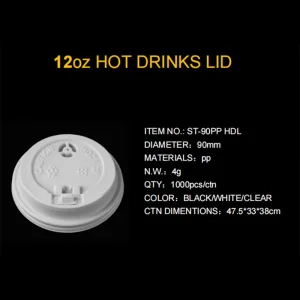
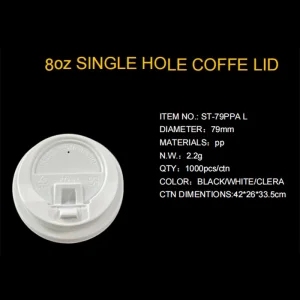
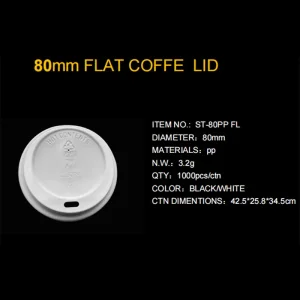
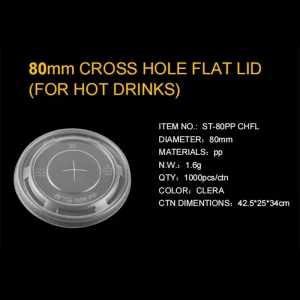
PP Lid

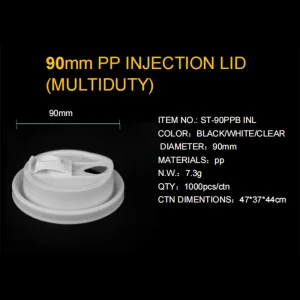
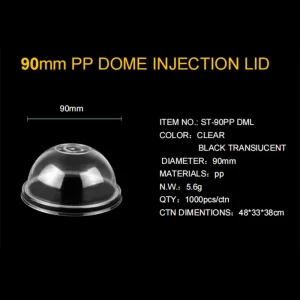
Suitable for scenarios requiring microwave heating. PP (Polypropylene) material has excellent heat resistance, making it ideal for microwave heating applications. It maintains its integrity and does not degrade under high temperatures typically encountered in microwaves, which can reach up to 120°C (248°F).

Additionally, PP material effectively prevents food from absorbing odors, ensuring that your meals retain their original flavors without unwanted contamination. This makes PP lids particularly useful for storing and reheating a variety of foods, from leftovers to prepared meals, while maintaining both safety and quality.

Polypropylene is also known for its chemical resistance, which means it won't react with acidic or fatty foods, further preserving the taste and nutritional value of your dishes. Moreover, PP lids are lightweight, durable, and often designed with secure seals to prevent leaks during the heating process, adding convenience and reliability to your meal preparation routine.

Introduction

Polypropylene (PP) materials are widely used across various industries due to their lightweight nature, which makes them ideal for applications where weight reduction is crucial. Their chemical resistance allows PP materials to withstand exposure to a variety of chemicals without degradation, making them suitable for use in harsh environments.

Additionally, PP materials boast excellent processing properties, including high melt strength and good flow characteristics, which facilitate efficient manufacturing processes such as injection molding, extrusion, and thermoforming. These attributes make PP materials highly versatile, enabling their use in diverse applications ranging from packaging and automotive components to medical devices and consumer goods.
?

Frequently Asked Questions

Q Is PP (Polypropylene) safe for food contact applications?
Yes. PP meets stringent regulatory standards including the FDA (USA), EU food safety regulations, Japan's Food Sanitation Law, and China's National Food Safety Standard, confirming its safety and suitability for direct food contact use.
Q Can PP lids be used in a microwave?
Yes. PP lids are specifically suitable for microwave heating. PP material can withstand temperatures up to 120°C (248°F), maintaining its structural integrity without releasing harmful substances, making it safe and reliable for reheating food in the microwave.
Q Does PP packaging affect the taste or smell of food?
No. PP is chemically resistant and does not react with acidic or fatty foods. It effectively prevents food from absorbing unwanted odors, preserving the natural flavors and aromas of your food products throughout storage and reheating.
Q Is PP packaging environmentally friendly?
Yes. PP is recyclable and reusable, supporting sustainability initiatives by reducing packaging waste. Its lightweight nature also helps lower transportation fuel consumption and carbon emissions, making it a more eco-friendly option compared to many alternative materials.
Q What manufacturing processes are compatible with PP materials?
PP materials are compatible with a wide range of manufacturing processes including injection molding, extrusion, and thermoforming. Their high melt strength and good flow characteristics make them efficient and cost-effective to process in large-scale production settings.
Q What are the key industries that use PP materials?
PP materials are used across a broad spectrum of industries including food packaging, automotive components, medical devices, and consumer goods. Their versatility, chemical resistance, lightweight properties, and cost-effectiveness make them a preferred material choice in both industrial and everyday applications.

Related Products