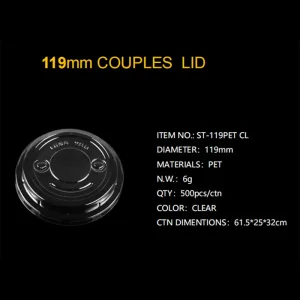
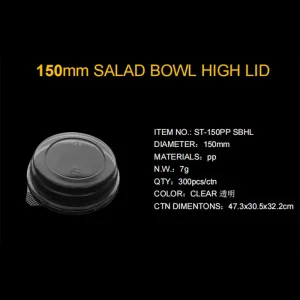
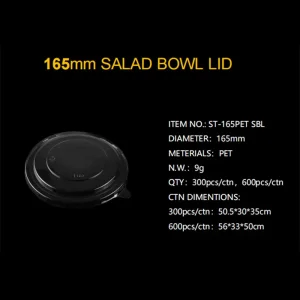
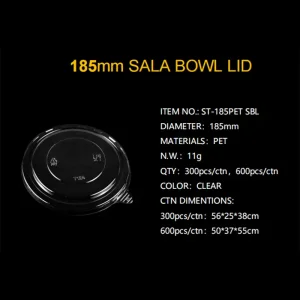
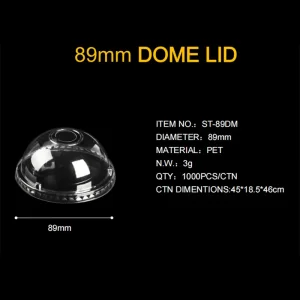
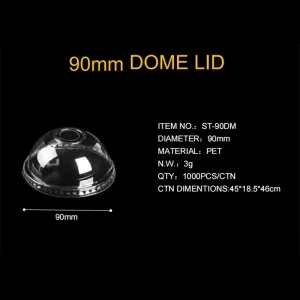
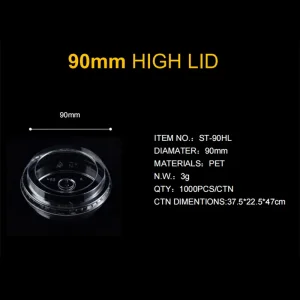
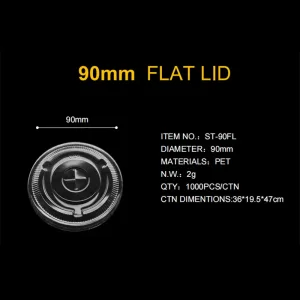
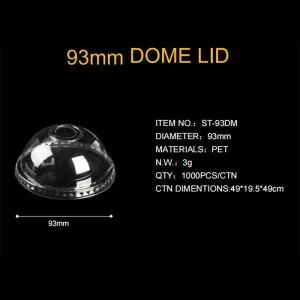
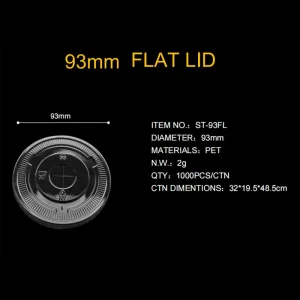
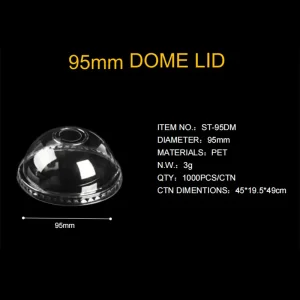
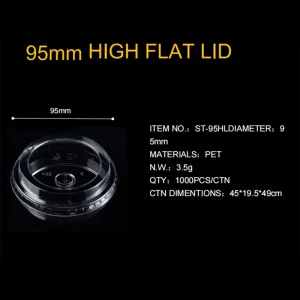
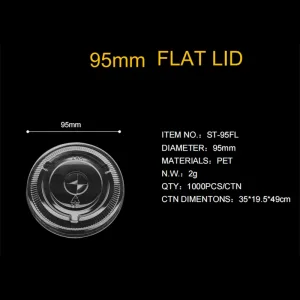
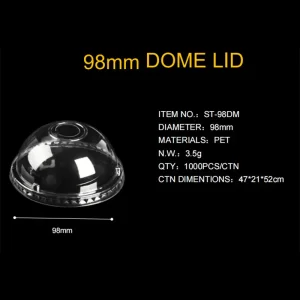
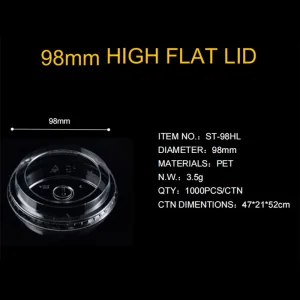
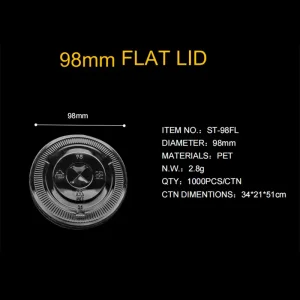
High temperature and chemical resistant cup closures optimized for major cities like Kathmandu, Lalitpur, and Pokhara.
Analyzing market needs, industrial supply chains, and import channels from China.
Over the last decade, urban centers in Nepal—especially the Kathmandu Valley, Pokhara, and the Terai industrial belts (Biratnagar, Birgunj, and Butwal)—have experienced an unprecedented surge in modern consumerism. The growth of Western-style Quick Service Restaurants (QSRs), local Himalayan boba tea lounges, craft coffee culture, and organized dairy distribution systems has heightened the demand for high-performance packaging. Products like fresh yogurt (traditional *Dahi*), packaging for Himalayan spring waters, and takeaway salads require strict hygiene barriers to ensure consumer safety.
Historically, Nepal's local plastics processing sector has focused primarily on heavy household items and standard PET bottles. The thin-gauge thermoforming processes required to produce high-transparency, perfectly fitting PET lids are technically demanding and require massive investment in precision tooling. As a result, premium restaurants and dairy processors in Kathmandu heavily depend on high-quality direct imports from trusted Chinese factories like Guangdong Santai Plastic Industry Co., Ltd. to secure reliable lid fits that prevent leakages during transportation along Nepal's bumpy mountainous terrain.
Importing polymer products from Guangdong to Nepal requires deep supply chain coordination. We offer dual transit paths designed for Nepalese commercial importers:
All our products are securely boxed in heavy-duty double-wall corrugated export cartons with protective inner PE bags to prevent dust contamination and survive maritime humidity and high-altitude transport shifts.
Decade-long mastery in the polymer manufacturing domain, providing global food-grade solutions.

Guangdong Santai Plastic Industry Co., Ltd. officially embarked on its entrepreneurial journey in 2010 and has been deeply involved in the plastic product manufacturing sector for over a decade. Starting as a small production enterprise with just two basic production machines, it has gradually grown into a highly influential beverage packaging solution provider in the region. The company's factory is located at No.5, Xinjiang Village Industrial Zone, Changning Town, Boluo County, Huizhou City, Guangdong Province. Our corporate contact email is [email protected].
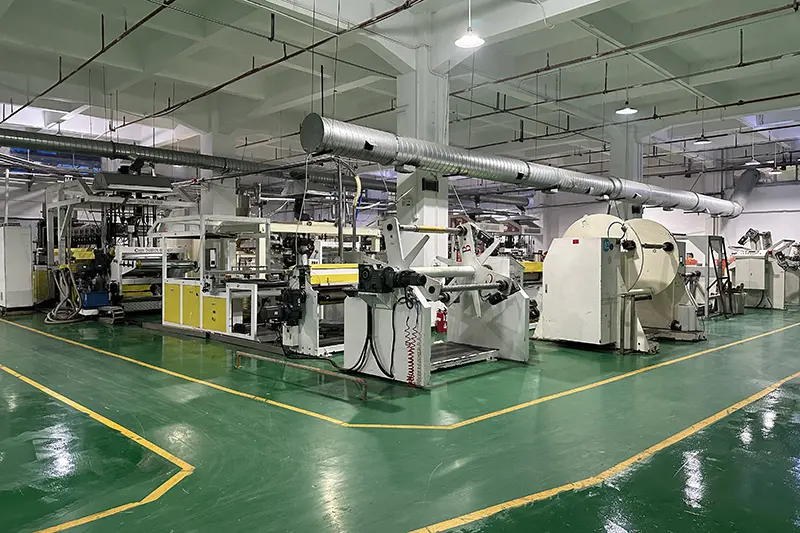
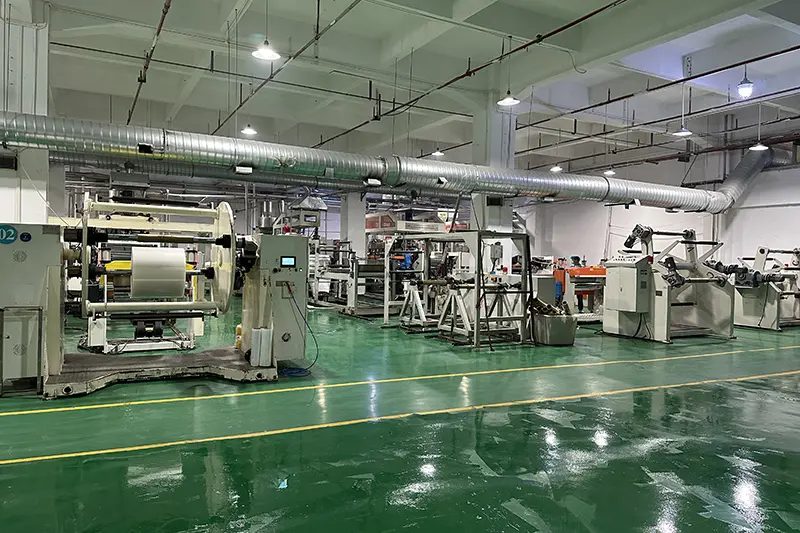
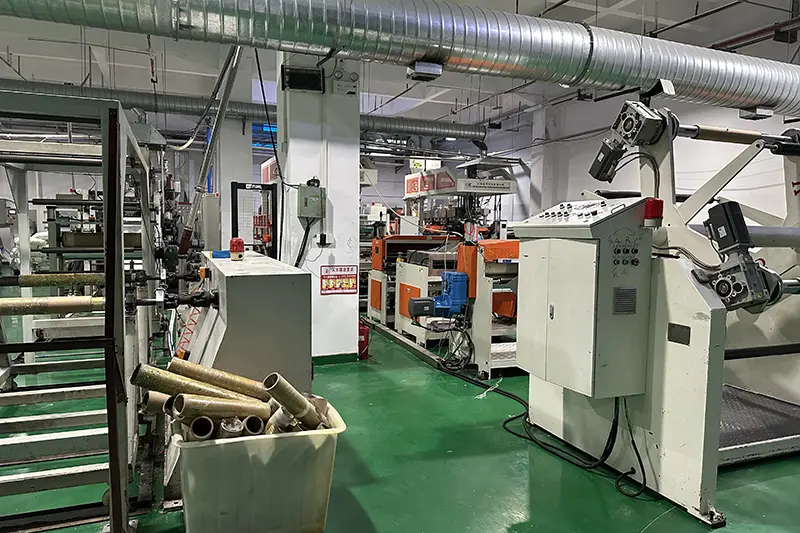
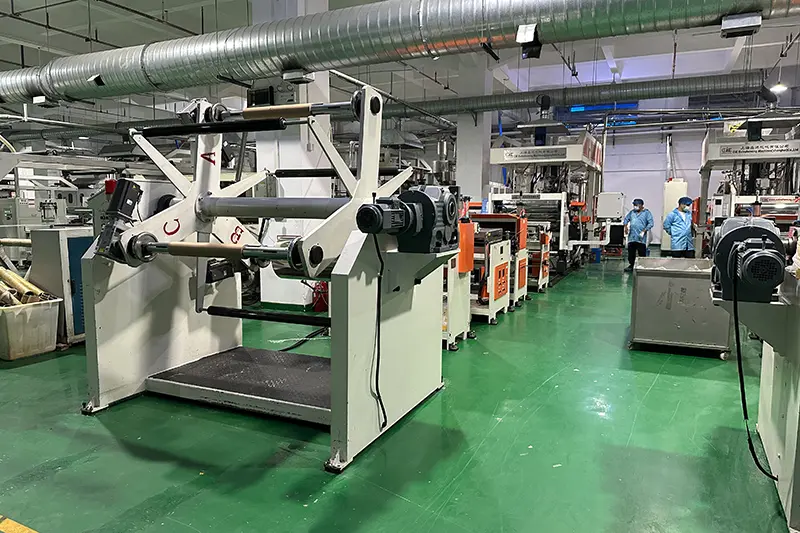
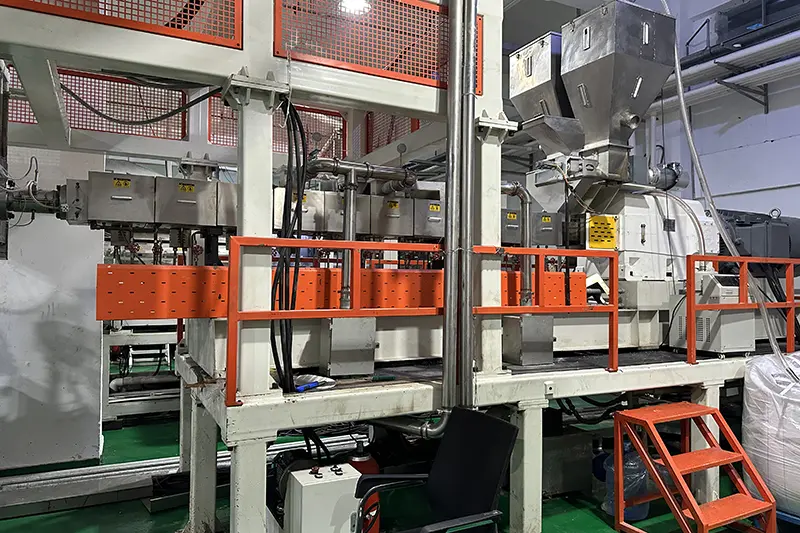
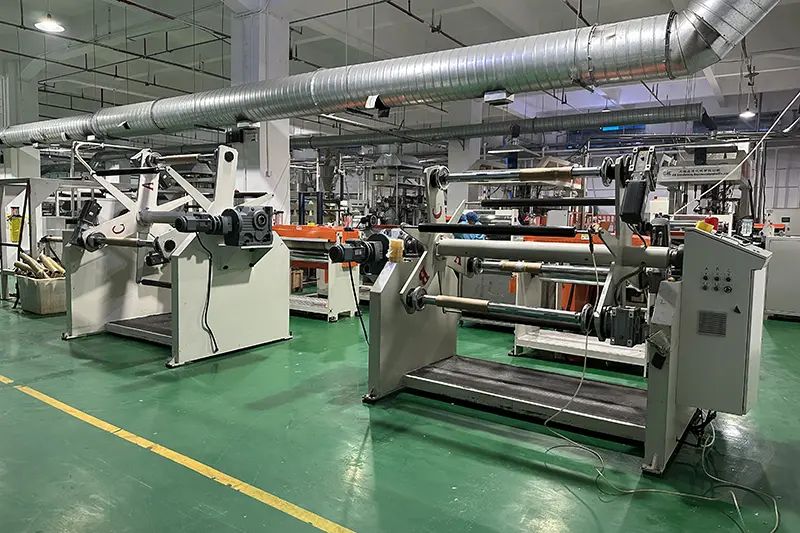
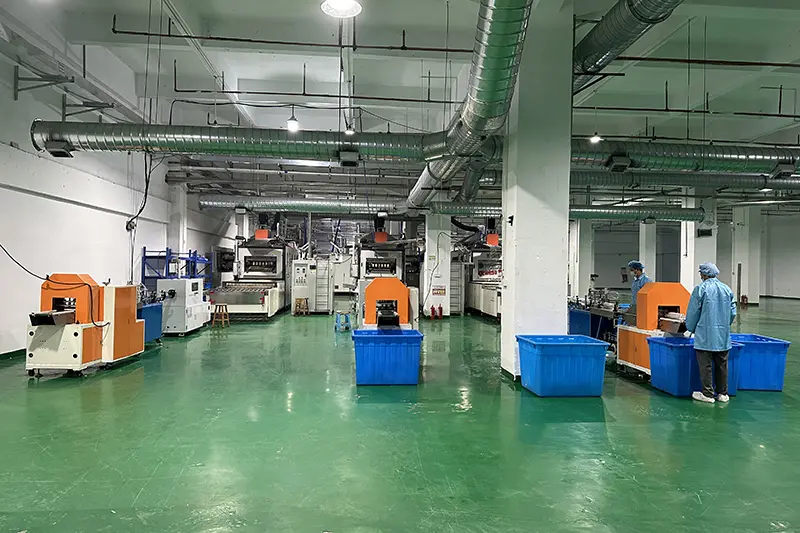
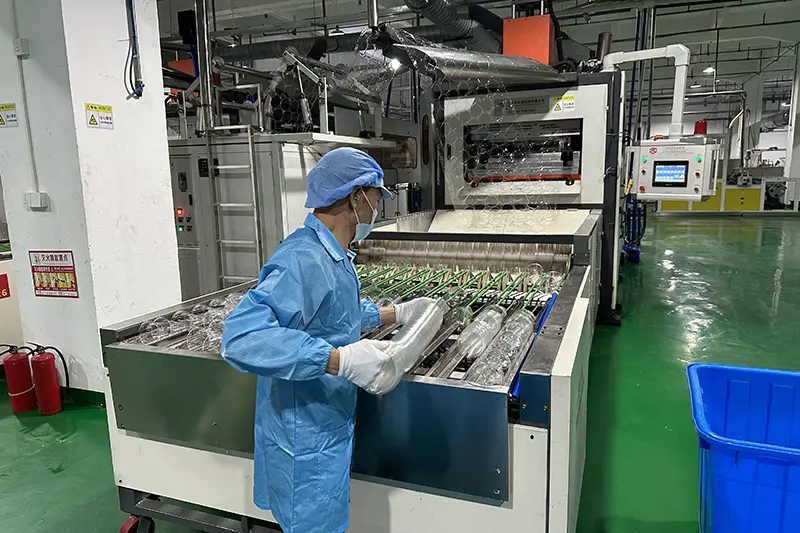
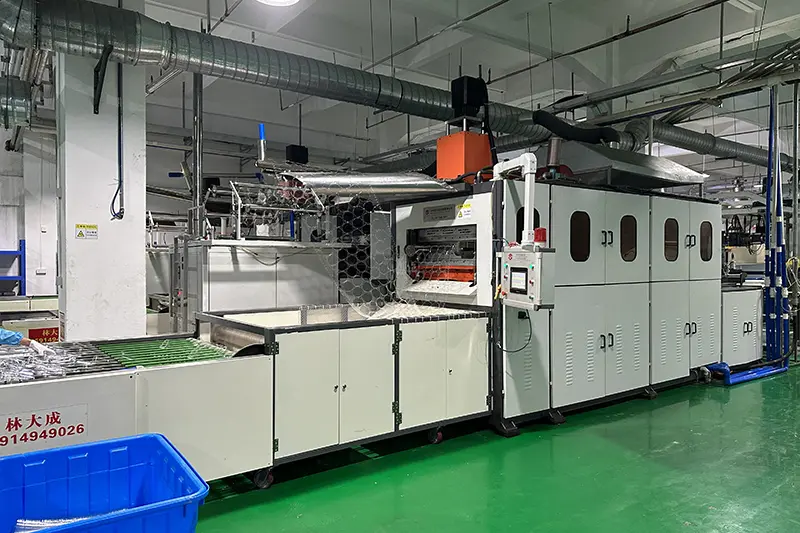
Covering an area of over 26,500 square meters, our manufacturing floor operates 30 advanced thermoforming production lines and 20 extrusion lines. This massive scale ensures high manufacturing speed, precision calibration, and zero-defect output for clients spanning across Southeast Asia, Central Asia, Europe, and South Asian countries like Nepal.


Undergoing rigorous molecular optimization to achieve premium structural integrity.
Polyethylene Terephthalate (PET) is the standard for high-end beverage cold cups and salad containers due to its crystal-clear optical clarity, impressive tensile strength, and impact resistance. Our factory selects food-grade PET resin with an Intrinsic Viscosity (IV) level range of 0.80–0.84 dl/g. This guarantees optimal stiffness, resistance to stress cracking, and exceptional thermoforming behaviors that prevent thinning in the corners of flat and dome lids.
| Performance Criterion | PET Technical Specification | User Intent Benefit |
|---|---|---|
| Optical Light Transmission | ≥ 92% (High-Clarity Gloss Finish) | Enhances aesthetic appeal of cold juices, boba teas, and layered salads. |
| Temperature Resistance Limits | -20°C to +60°C | Perfect for refrigerated yogurt, cold brew milk teas, and frozen desserts. |
| Material Thickness Tolerance | ± 0.02 mm (Precision Calibrated) | Ensures leak-proof seal with paper and plastic cups on automated lines. |
| Compliance Certification | FDA 21 CFR 177.1630, EU No 10/2011, ISO 9001 | Legally cleared for customs import worldwide and premium brand audits. |
| Degradable Alternatives | PLA (Polylactic Acid) / Recyclable PET (RPET) | Supports green enterprise mandates and eco-friendly consumer preferences. |
A loose cup lid can ruin a beverage delivery business. Our engineering team utilizes advanced computer-aided design (CAD) to match the rim dimensions of major cup suppliers (90mm, 95mm, 98mm sizes). We run simulated air-pressure tests to ensure our lids pop on smoothly yet lock tightly. The reinforced structural rim resists flexing when stacked, allowing Nepalese cafes to pile drinks vertically during peak delivery rush hour in Kathmandu traffic.
Bridging environmental stewardship with high-volume quality consistency.
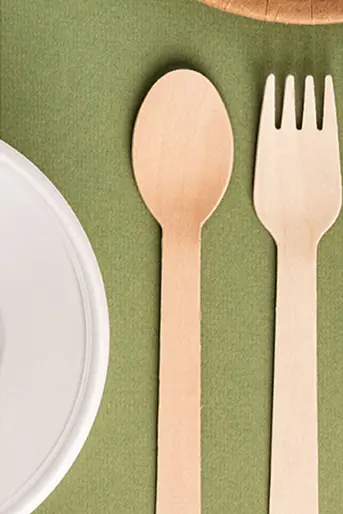
As a growing enterprise, Santai Plastics has consistently integrated social responsibility into its development strategy, with sustained efforts in environmental protection. The company actively develops and promotes eco-friendly products, including PLA and paper straws, while progressively adopting recyclable PET and biodegradable PP materials for cup production to reduce traditional plastics' environmental impact.
Additionally, we drive green production upgrades by installing solar power systems to supply clean energy for workshops and offices, significantly cutting annual carbon emissions. The company also optimizes wastewater and exhaust gas treatment processes to achieve resource recycling, demonstrating its commitment to "low-carbon manufacturing" and setting an industry benchmark for sustainable development.
To assure absolute safety, we operate standardized cleanrooms with constant temperature and humidity control, equipped with high-efficiency air purification systems and precision testing equipment. This ensures product hygiene and safety from the production source, guaranteeing each batch meets international food contact material safety standards, earning trust from customers and consumers worldwide.
Our commitment to green energy and rigorous quality inspections ensures that every shipment reaching ports like Birgunj meets international regulatory standards, preventing any risk of import rejections.
Why B2B buyers trust Guangdong Santai for large-scale packaging supply.
Ultra-clear PET lids designed for commercial smoothie cups, boba bubble tea cups, and yogurt packaging.
Helping you navigate customs clearance, packaging selection, and bulk transport logistics smoothly.
Before starting bulk production, we send digital CAD drawings and physical PET lid samples to your office in Kathmandu. This allows you to test the lid fitment on your existing cups (both paper and plastic cups) to verify anti-spill security.
We accommodate import regulations from the Nepal Rastra Bank. We accept Telegraphic Transfers (T/T) and Letter of Credit (L/C at sight) to ensure smooth compliance with Nepalese banking laws.
We provide complete documentation required by customs officials at Birgunj dry port or Kathmandu cargo terminal, including Certificate of Origin (CO), detailed Packing List, Commercial Invoice, and FDA food-grade compliance certificates.
Key technical and purchasing information for B2B procurement managers.
Ready to start your order or request custom samples?
Send Inquiry Now Santai Plastic