Direct supply-chain access to high-performance containers, salad bowls, and matching drink lids engineered under rigorous quality benchmarks.
In the contemporary B2B beverage and quick-service restaurant (QSR) industries, bulk packaging manufacturers represent the backbone of global supply logistics. The demands of high-volume operations necessitate polymer vessels that maintain exact dimensional tolerances, support complex automated filling machinery, and comply with strict food safety guidelines. As globalization drives food service consolidation, enterprises must source packaging products that combine cost efficiency with premium quality.
Today's industrial buyers look beyond simple containers. They require comprehensive product ecosystems: custom printed cups with high-grade transparency, temperature-resistant PP bowls, airtight domes, and functional flat lids. Achieving leak-proof, high-speed automated sealing depends entirely on structural precision. Sourcing from experienced manufacturers allows businesses to mitigate risks associated with transportation damage, inconsistent sizing, and material failure.
Environmental policies like the EU Plastics Strategy and North American green initiatives are driving structural changes in this sector. Modern bulk manufacturers must offer more than traditional plastic; they must incorporate food-grade PCR (post-consumer recycled) resins, eco-friendly PLA, and high-purity virgin polymers. Meeting these sustainability goals without compromising product performance remains a key differentiator for industry leaders.
A decade of manufacturing excellence, specialized infrastructure, and verified factory capacity located in Huizhou, Guangdong.

Guangdong Santai Plastic Industry Co., Ltd. officially embarked on its entrepreneurial journey in 2010 and has been deeply involved in the plastic product manufacturing sector for over a decade. Starting as a small production enterprise, it has gradually grown into a highly influential beverage packaging solution provider in the region. The company's factory is located at No.5, Xinjiang Village Industrial Zone, Changning Town, Boluo County, Huizhou City, Guangdong Province. The corporate email is [email protected]. Covering an area of over 26,500 square meters, the production space is well-organized with complete supporting facilities, providing solid support for large-scale production and high-quality product output.


Looking back at Santai Plastic's corporate history, its growth trajectory is marked by relentless perseverance. In the early days, the company barely started with just two basic production machines. Facing multiple challenges like limited equipment, insufficient production capacity, and low market recognition, the team remained committed to quality standards, gradually accumulating experience through simple processing of single product categories. As market demand expanded and technical capabilities improved, the company continuously increased equipment investment and technological upgrades.
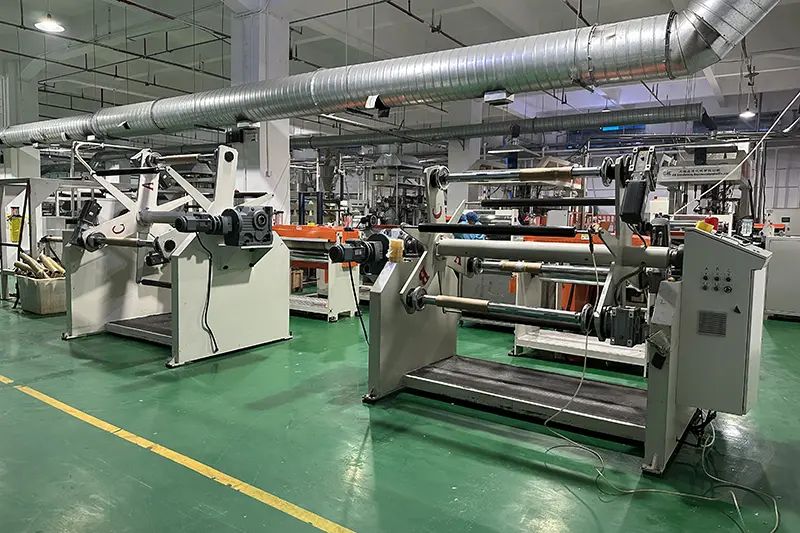
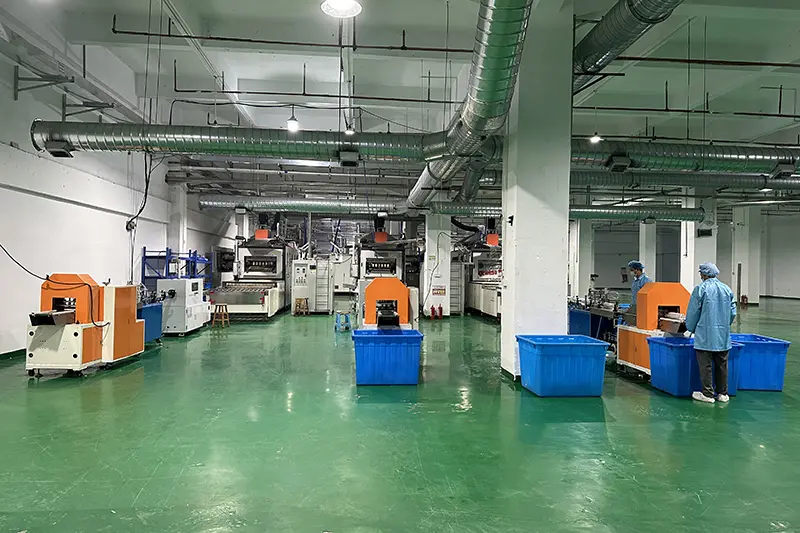
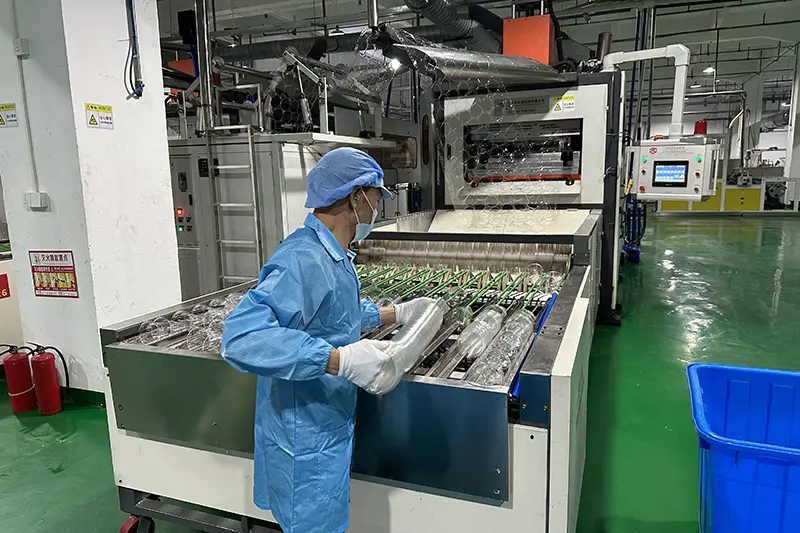
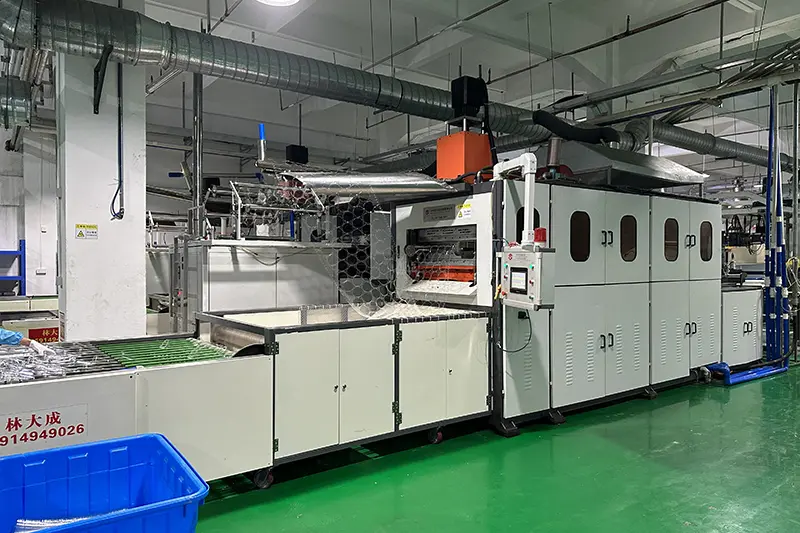
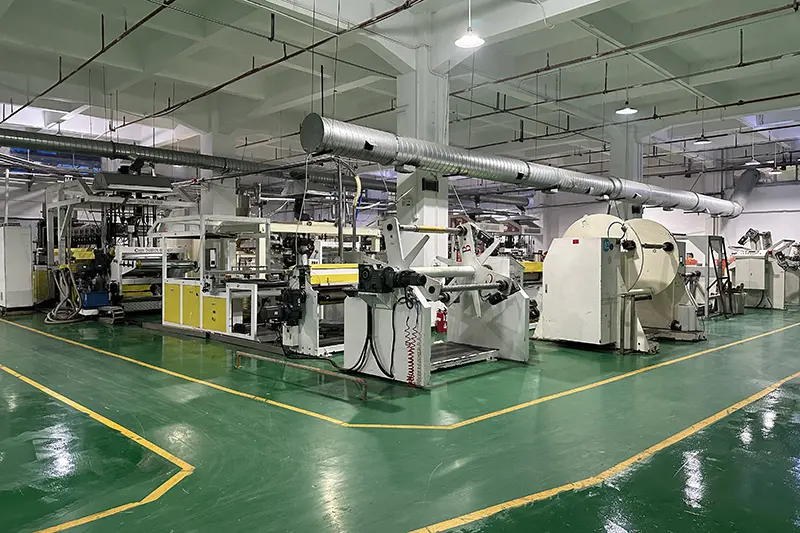
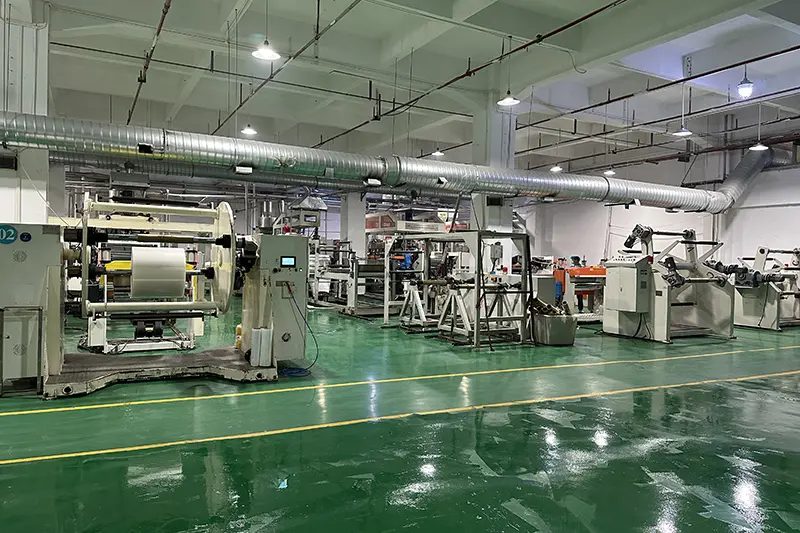
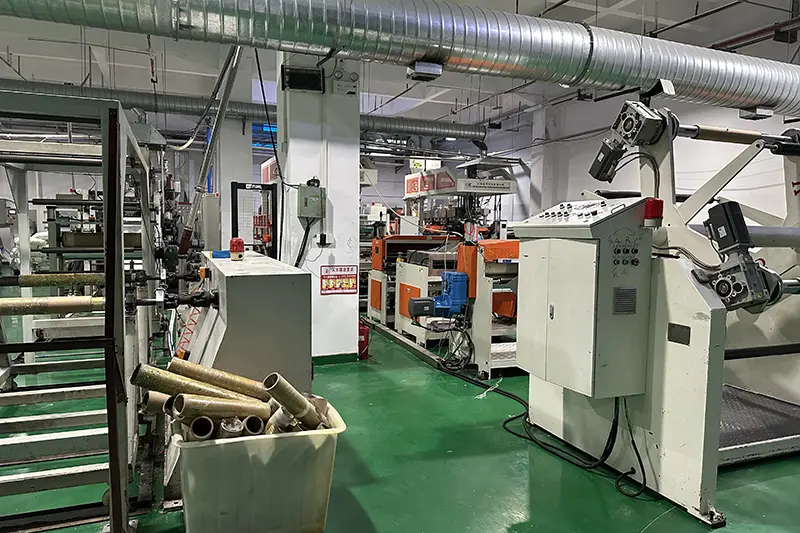
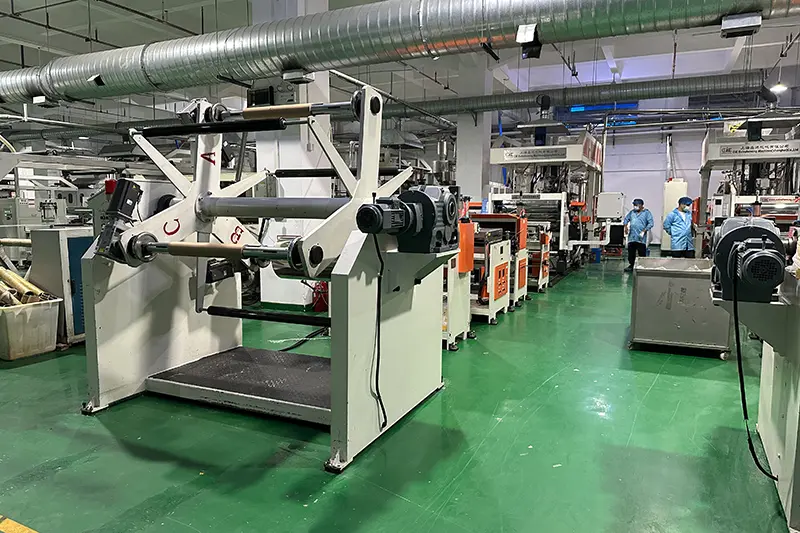
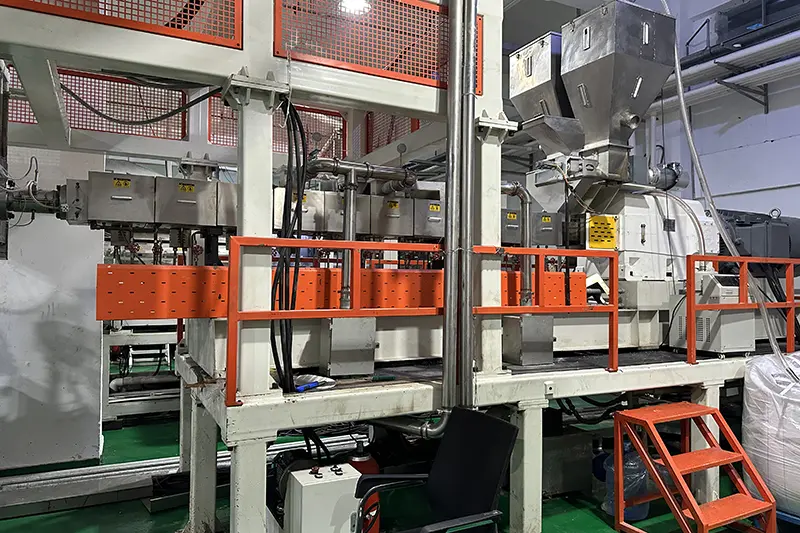
After years of development, it now operates 30 thermoforming production lines and 20 extrusion production lines, achieving a leapfrog growth in equipment quantity. Production efficiency and product precision have also improved simultaneously, successfully transitioning from "small-scale workshop production" to "modern large-scale manufacturing."

Consistently delivering industry-certified plastic drinkware and custom tooling designs for global markets.
Our advanced thermoforming and automated manufacturing lines yield parts with micron-level precision, satisfying the assembly tolerances required by modern commercial beverage sealing lines.
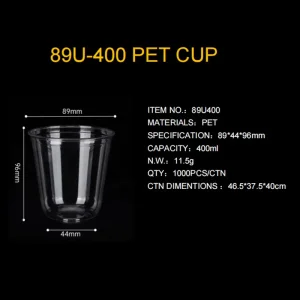
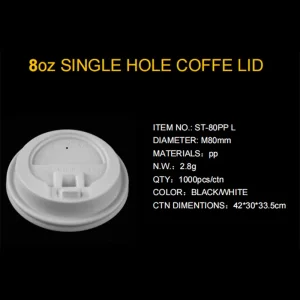
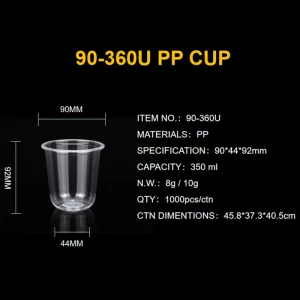
The product range has expanded to cover the entire spectrum of beverage packaging, including PET cold drink cups, PET cup lids, PP cups, PP cup lids, PS cup lids, injection-molded cups, injection-molded lids, PLA straws, PP straws, and paper straws, comprehensively meeting diverse needs in catering, beverage chains, and other scenarios.
As a growing enterprise, Santai Plastics has consistently integrated social responsibility into its development strategy, with sustained efforts in environmental protection. The company actively develops and promotes eco-friendly products, including PLA and paper straws, while progressively adopting recyclable PET and biodegradable PP materials for cup production to reduce traditional plastics' environmental impact.
Additionally, it drives green production upgrades by installing solar power systems to supply clean energy for workshops and offices, significantly cutting annual carbon emissions. The company also optimizes wastewater and exhaust gas treatment processes to achieve resource recycling, demonstrating its commitment to "low-carbon manufacturing" and setting an industry benchmark for sustainable development.
Our ecological strategy aims to build a closed-loop recycling path. By implementing zero-waste granulators in our extrusion halls, clean production scrap is recycled directly back into the feed channels. This maintains virgin polymer grade integrity while minimizing resource waste.
Operating out of our 26,500 ㎡ industrial center, we manage a massive annual production volume. Our high output capacity is achieved without compromising our strict carbon reduction targets.
How we guarantee hygiene safety and win long-term partnerships with leading global beverage networks.
Additionally, strict compliance with food-grade production standards: The company operates standardized cleanrooms with constant temperature and humidity control, equipped with high-efficiency air purification systems and precision testing equipment. This ensures product hygiene and safety from production source, guaranteeing each batch meets national food contact material safety standards, earning trust from customers and consumers.
The company's premium products and services have not only gained domestic recognition but also received high praise from international clients.
"Santai's products demonstrate exceptional stability during transit, remaining intact even after long-haul shipping. Their dimensional precision perfectly matches our equipment, significantly reducing operational losses."
"The PLA straws fully comply with EU environmental regulations and have been warmly received in the local market. Santai's R&D capabilities and delivery efficiency far exceed our expectations, making them a reliable long-term partner."
"From sample production to mass manufacturing, Santai's team has impressed with their responsiveness and professionalism. Despite the time difference, communication remains efficient and problem-solving is prompt and thorough."
How global enterprises select packaging formats based on specific environmental and operational workflows.
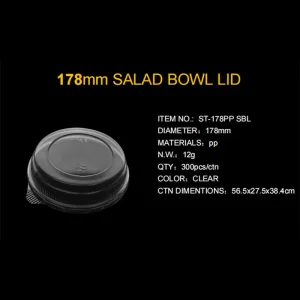
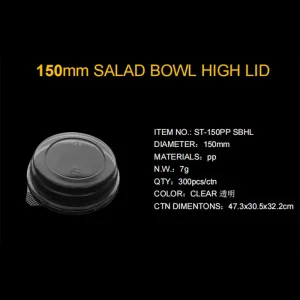
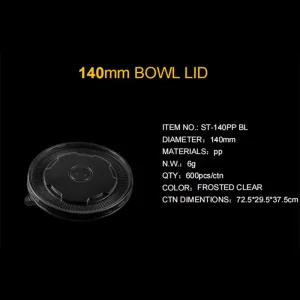
Requires stackable, break-resistant PP salad bowls (like the PP178 or PP150) that can withstand heat and support high-speed food assembly. Precise matching lids prevent leaks during delivery.
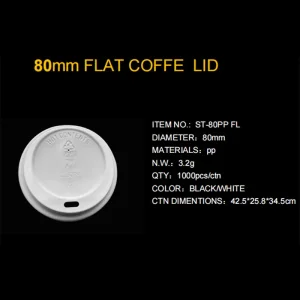
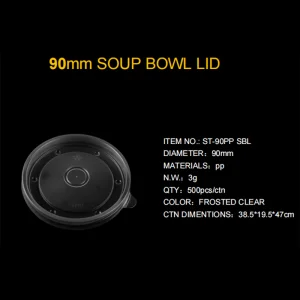
Requires high-temperature flat-mouthed coffee lids (such as PP80 or PPm80). Lids must fit tightly and resist deformation under steam, protecting consumers and preserving drink temperature.
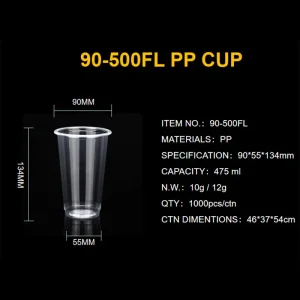
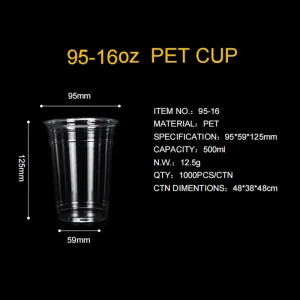
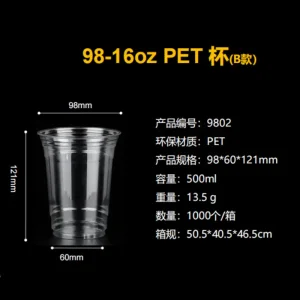
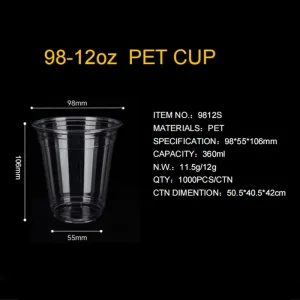
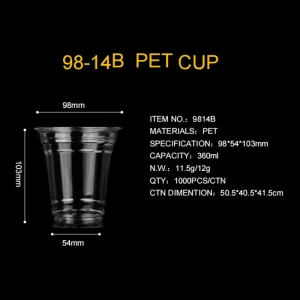
Requires high-transparency PET plastic cups with custom printing. Clear visibility highlights fresh ingredients, while structural strength helps during the cup-sealing process.
To ensure high quality and compatibility, procurement managers should verify key parameters before ordering:
Verify the manufacturer's FDA, LFGB, or EU food-grade declarations for plasticizers, heavy metals, and migration limits.
Use PP for microwave reheating (up to 120°C). Use PET for cold drinks to prevent warping under warmth (keeps shape below 60°C).
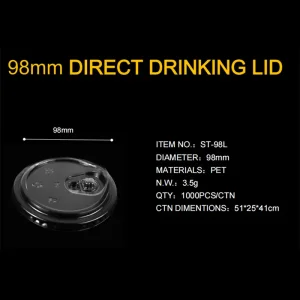
Check outer rim dimensions (e.g., 90mm, 95mm, 98mm) to ensure compatability with automated filling and sealing lines.
Choose high-density nested nesting sleeves to maximize ocean container space and lower freight costs.
How design upgrades, environmental pressures, and smart manufacturing are shaping bulk container production.
PLA is derived from fermented plant starch (primarily corn) and has become a leading alternative to petroleum-based resins. Unlike standard plastics, PLA decomposes into carbon dioxide and water under industrial composting conditions. For companies in markets with strict environmental rules (like Western Europe and parts of North America), offering PLA straws and cups helps meet regulatory standards and customer expectations.
Modern extrusion systems allow manufacturers to produce multi-layer plastic sheets. This means they can place post-consumer recycled (PCR) materials between virgin polymer layers, keeping the container safe for food contact while using recycled plastic. This method reduces material costs and supports environmental sustainability.
Choosing between thermoforming and injection molding depends on production needs and product designs:
Important questions and insights to guide your next bulk packaging procurement cycle.
Explore our full range of heat-resistant cups, specialty bowls, and custom beverage lids.
 Santai Plastic