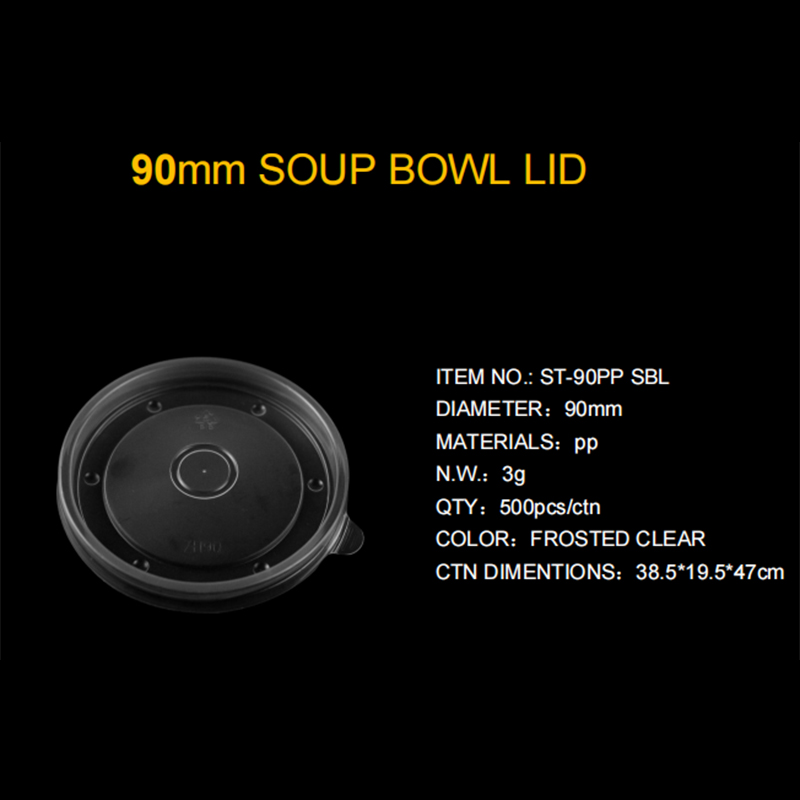
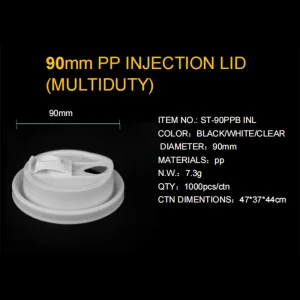
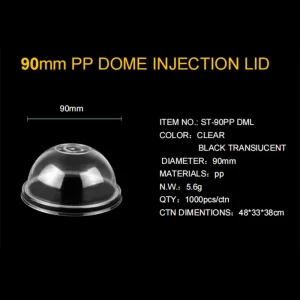
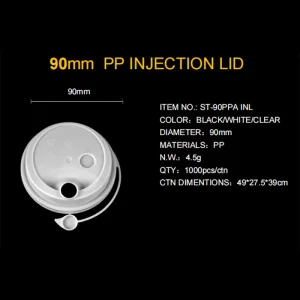
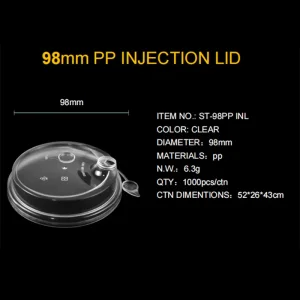
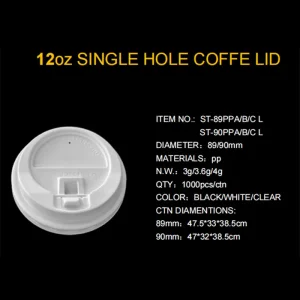
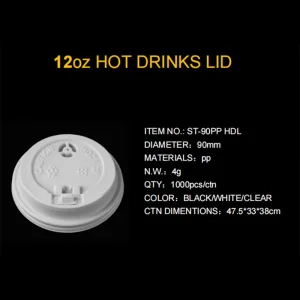
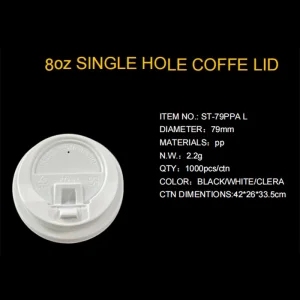
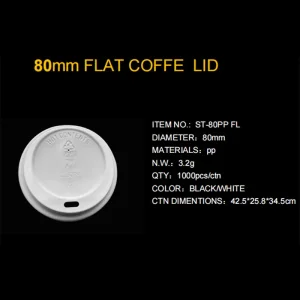
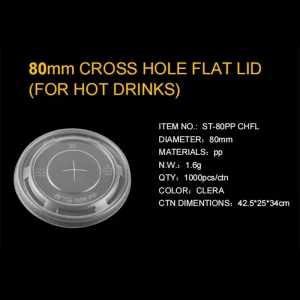
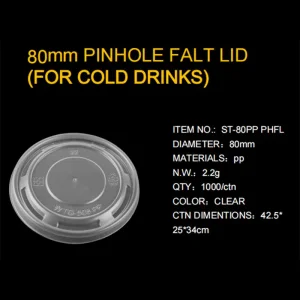
Polypropylene (PP) meets FDA and EU food safety standards, is non-toxic, and chemically inert. It has excellent mechanical properties, temperature tolerance, and moisture-proof features, making it ideal for food packaging. PP is recyclable, lightweight, and versatile, used in films, containers, trays, and medical/pharmaceutical packaging. Key benefits include durability, heat resistance, and aesthetic appeal.
♻️
Recyclable & Eco-Friendly
❓
Frequently Asked Questions
Q
Is PP (Polypropylene) safe for food contact?
Yes. Polypropylene (PP) meets both FDA and EU food safety standards. It is non-toxic, chemically inert, and does not react with food or beverages, making it one of the safest plastics for food packaging and storage applications.
Q
Can PP lids be used in microwave ovens?
Yes. PP lids are specifically designed to withstand microwave heating. Their heat resistance prevents deformation or melting during use. They also retain steam for more efficient cooking and are compatible with standard microwave-safe containers.
Q
Is Polypropylene recyclable and environmentally friendly?
Yes. PP is fully recyclable and is considered one of the more eco-friendly plastics available. Its lightweight nature also reduces transportation emissions, and it can be processed and reused in a wide variety of products after its initial lifecycle.
Q
What industries commonly use Polypropylene?
PP is used across a wide range of industries including food packaging, medical and pharmaceutical, automotive, home appliances, construction, electronics, textiles, and agriculture. Its versatility, chemical resistance, and lightweight properties make it a preferred material in these sectors.
Q
Does a PP lid affect the taste or smell of food?
No. PP is chemically inert and does not absorb or transfer odors to food. It is non-reactive, which means it preserves the original taste, freshness, and nutritional value of the food it covers without any contamination risk.
Q
What are the key mechanical advantages of PP material?
PP offers excellent mechanical strength, high temperature tolerance, and moisture-proof properties. It is lightweight yet durable, resistant to chemical exposure, and maintains its structural integrity under various environmental conditions — making it ideal for both industrial and consumer applications.
 Santai Plastic