As modern FMCG markets rapidly consolidate and prioritize ecological compliance, global demand for highly specialized, custom beverage cartons and barrier-integrated polymers has achieved unprecedented volumes.
The global commercial supply chain requires more than basic storage. It demands packaging architectures that withstand cold-chain logistics, eliminate microbial contamination hazards, preserve shelf-life under fluctuating ambient pressures, and remain entirely bio-compatible. Industrial supply houses are constantly negotiating the fine balance between structural polymer integrity and strict territorial environmental mandates (like the EU Single-Use Plastics Directive or FDA food-contact standards).
By aligning advanced thermoforming machinery with precision chemical formulations, manufacturers can bypass traditional packaging bottlenecks. Incorporating multi-layer extrusion technologies, barrier films, and heat-resistant polymers ensures that hot-fill products, carbonated liquids, and highly acidic dairy bases maintain sensory purity and absolute seal hermeticity throughout their product lifecycle.
Corporate procurement directors look beyond generic unit costs. Modern vendor qualification matrices center heavily on:
Ensuring zero line-stoppages on high-speed automated bottling and capping lines.
Material capacity to handle thermal stresses during hot-fill pasteurization, microwave reheating, or deep-freeze logistics.
Guaranteed compliance documentation spanning FDA, EU, and regional chemical-migration thresholds.

Established in 2010, Guangdong Santai Plastic Industry Co., Ltd. has evolved from a small production workshop into an internationally recognized beverage packaging solutions provider. Located at No.5, Xinjiang Village Industrial Zone, Changning Town, Boluo County, Huizhou City, Guangdong Province, the company occupies an expansive, highly optimized production space exceeding 26,500 square meters.
By integrating vertically from raw material research and structural product design to automated precision manufacturing and global shipping networks, Santai Plastics supports major beverage conglomerates, distribution partners, and retail catering chains worldwide. You can connect with our global sales engineering team directly via [email protected] for deep technical consultations.
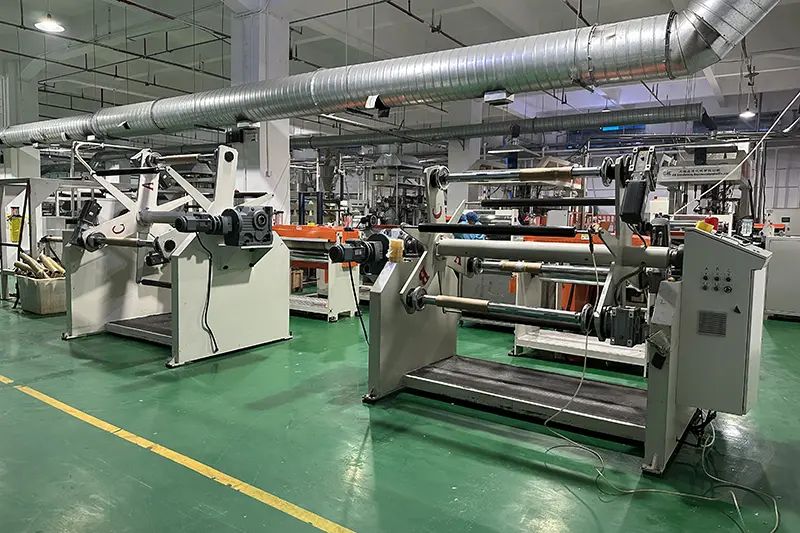
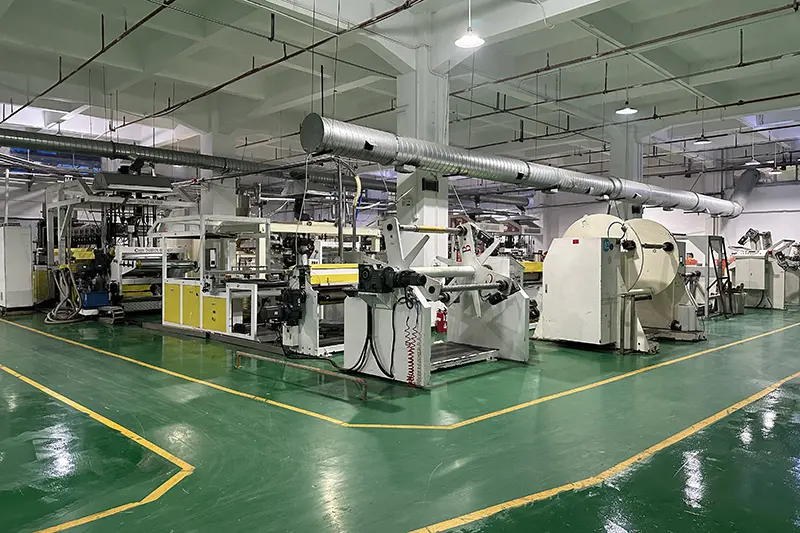
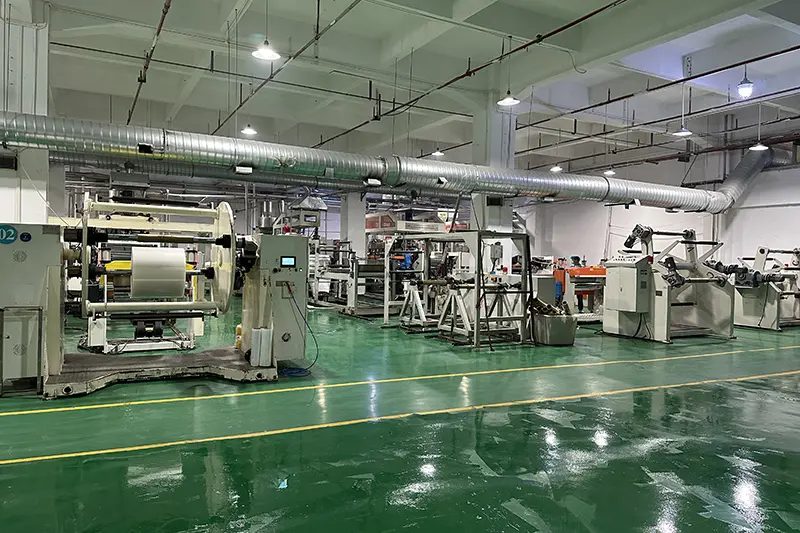
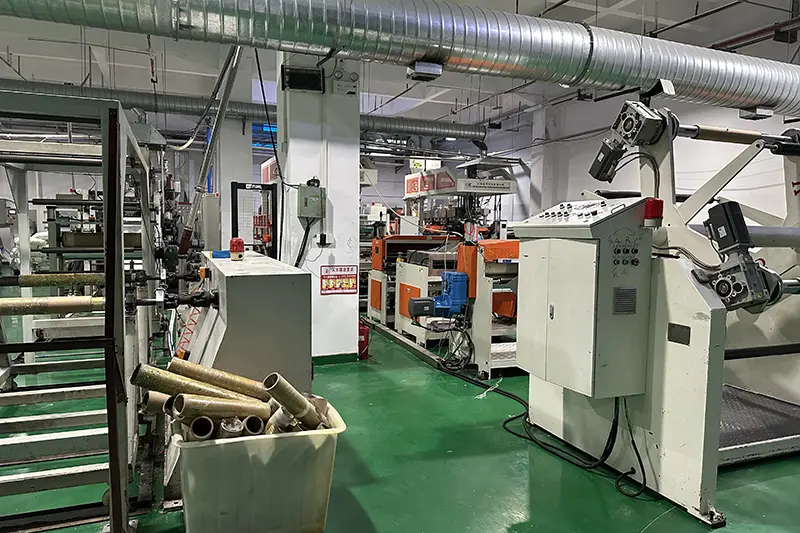
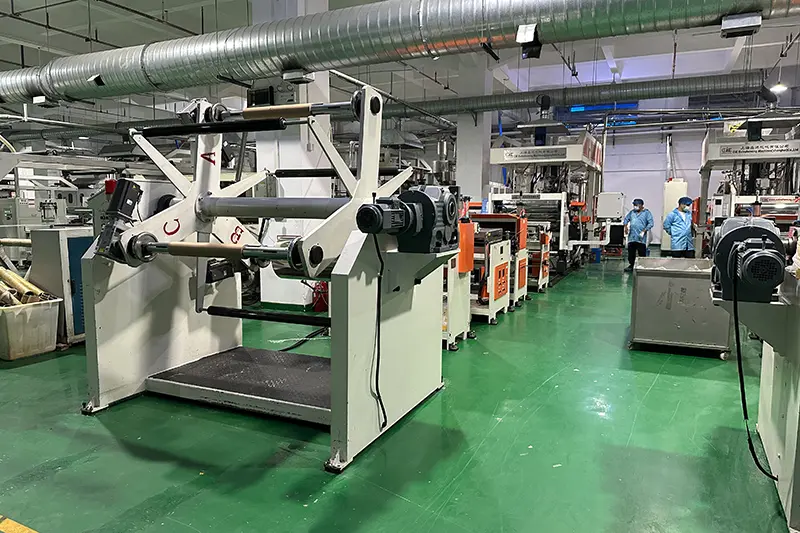
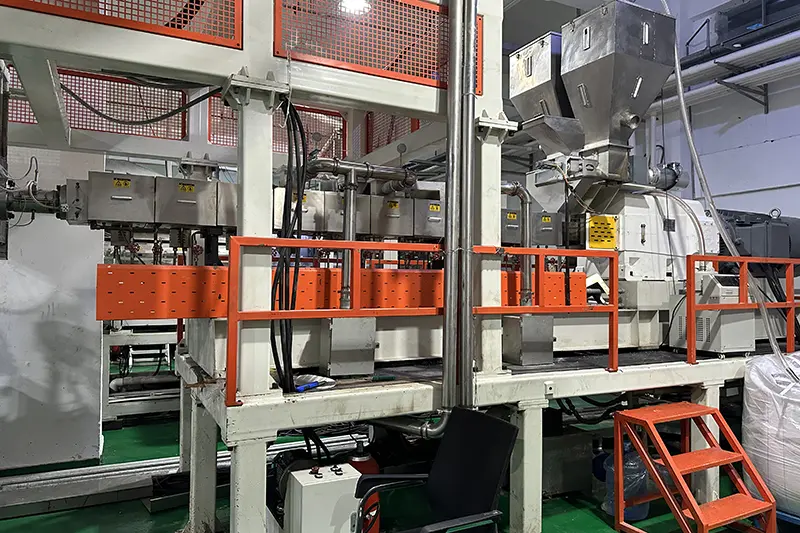
Utilizing 20 high-speed extrusion lines, we synthesize multi-layer sheets with customized barrier performance. From ultra-high-transparency PET98 to high-temperature PP95 sheets, our processes prevent gas and light transmission, preserving organoleptic quality.
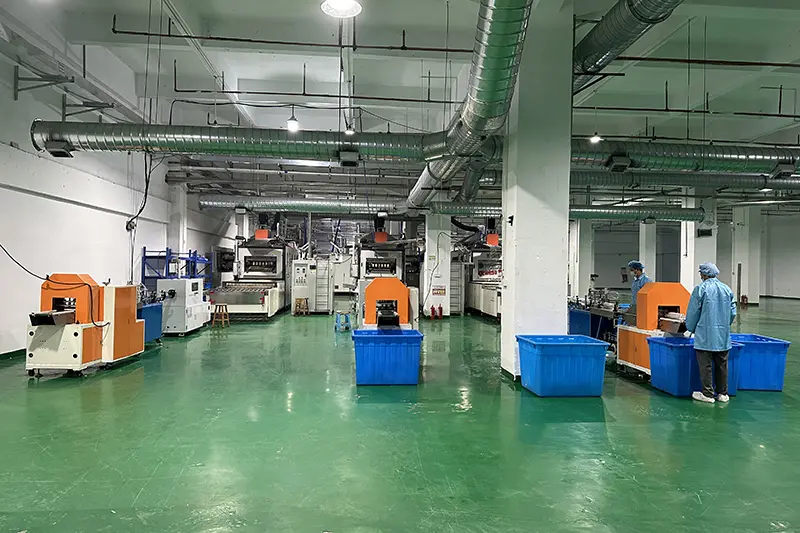
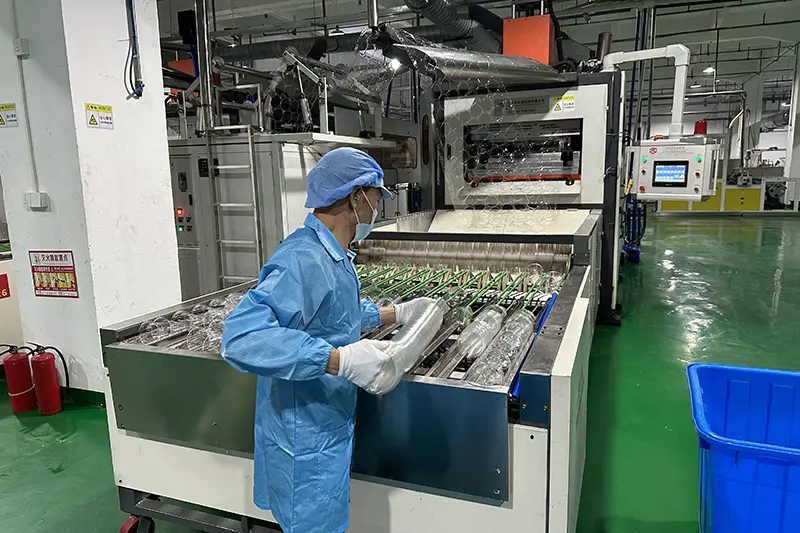
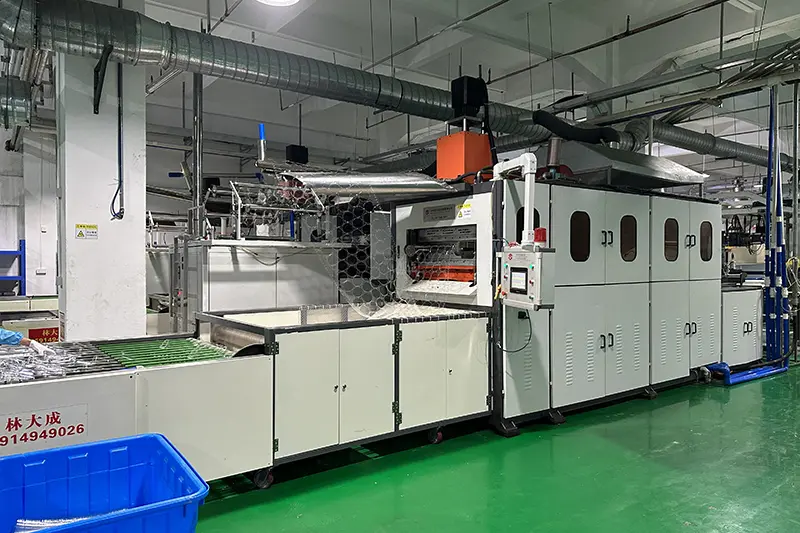
Equipped with 30 state-of-the-art thermoforming production lines, we deliver micron-level dimensional accuracy across high-volume production runs. This ensures a reliable, hermetic seal when combined with capping machines.
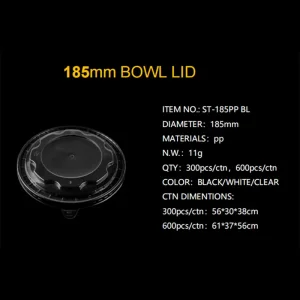
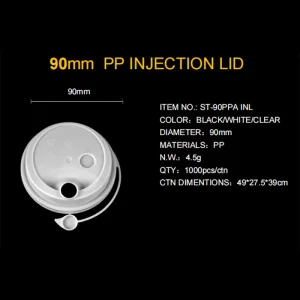
Featuring 200+ specialized high-tonnage injection machines, our facilities yield highly complex geometries, functional snap-fits, and leak-proof capping interfaces like the PP185, PP119, and custom-vented PP90 lids.
Technological Insight: Our proprietary crystalline structures allow high-temperature PP blister cups and lids to maintain dimensional stability during autoclave processes and microwave exposure up to 120°C, a major milestone in high-performance polymer packaging.
The evolution of Santai Plastics is marked by steady growth and technical expansion. Initially starting with just two basic manufacturing setups, the company navigated issues with limited early capacity and low initial market reach. By committing to strict quality baselines and building direct manufacturing expertise, the technical teams refined our processes, scaling up production from basic single-product containers to multi-line facilities.
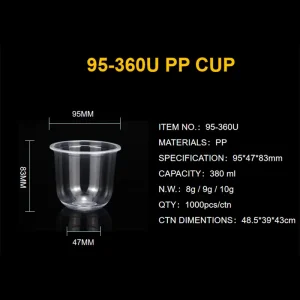
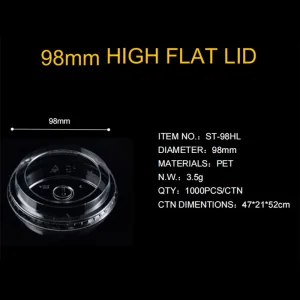
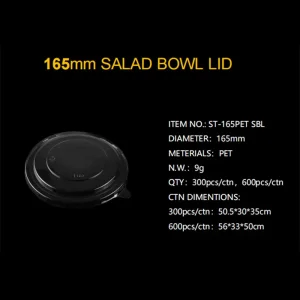
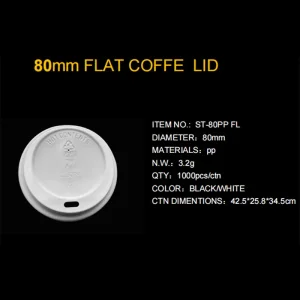
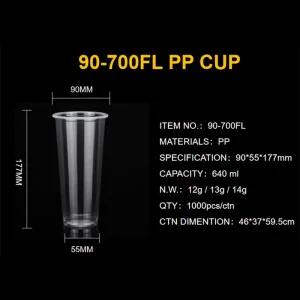
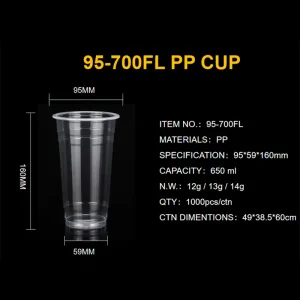
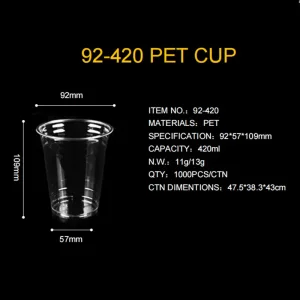
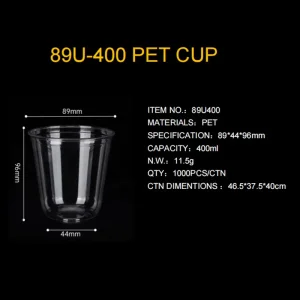
Today, our product range covers the full spectrum of modern beverage packaging, including PET cold drink cups, highly functional PET lids, heat-stabilized PP cups and lids, high-clarity PS lids, precision injection-molded caps, and biodegradable PLA, PP, and paper straws.
Consistent with global decarbonization trends, Santai Plastics integrates environmental criteria directly into our manufacturing decisions. By upgrading key manufacturing steps, using clean energy from on-site solar systems, and optimizing wastewater and exhaust gas treatment, we actively reduce our manufacturing carbon footprint. Our product team prioritizes bio-derived polymers like PLA and post-consumer recycled PET (rPET) to help global clients hit their plastic reduction goals.

Scaling up our modified high-temperature polypropylene (PP) formulations to support retort sterilization cycles without container warping. Increasing development of high-barrier recycled polymers (rPET) to meet strict international food-contact approvals.
Deploying inline optical sensor systems across our thermoforming and injection lines to identify microscopic seal defects, wall-thickness variances, and micro-fissures in real time. This ensures stable mechanical tolerances across high-volume production runs.
Developing next-generation compostable barrier coatings for multi-layer beverage containers. These coatings preserve shelf life for oxygen-sensitive juices while breaking down clean in commercial composting facilities.
Ensuring food-contact safety requires strict process control. Our manufacturing facility maintains dust-controlled cleanrooms with automated temperature and humidity regulation. Fitted with high-efficiency air filtration systems and inline checking instruments, these lines prevent particulate contamination from the raw polymer stage through to final packaging.
This controlled environment ensures our products consistently meet international migration standards, giving quality assurance managers, regulatory teams, and consumers total peace of mind.
"Santai's products demonstrate exceptional stability during transit, remaining intact even after long-haul shipping. Their dimensional precision perfectly matches our equipment, significantly reducing operational losses."
— Southeast Asian Beverage Chain Procurement Director
"The PLA straws fully comply with EU environmental regulations and have been warmly received in the local market. Santai's R&D capabilities and delivery efficiency far exceed our expectations, making them a reliable long-term partner."
— European Distribution Partner
"From sample production to mass manufacturing, Santai's team has impressed with their responsiveness and professionalism. Despite the time difference, communication remains efficient and problem-solving is prompt and thorough."
— Middle Eastern FMCG Sourcing Manager
By combining advanced mechanical engineering with high-capacity workflows, we ensure our global beverage containers and lids maintain tight structural tolerances and clean aesthetic finishes.
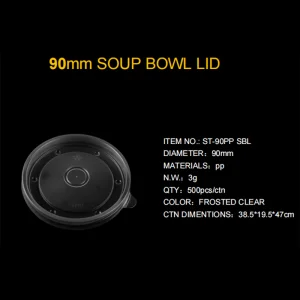
China PP90 soup bucket lid can withstand high temperatures Manufacturers, Suppliers
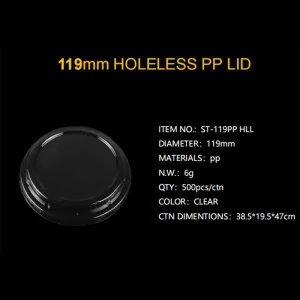
China PP119 holeless cover can withstand high temperatures Manufacturer, Supplier
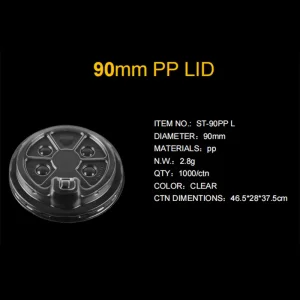
China PP90 straw free lid can withstand high temperatures Supplier, Factories
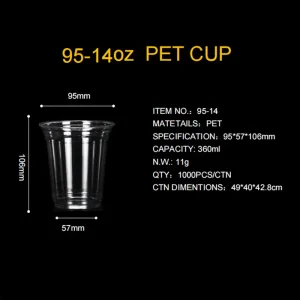
Wholesale 9514OZ PET plastics Cold drink cup printing personalized Suppliers, Factory
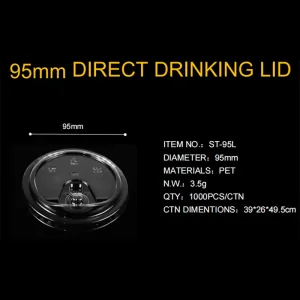
China Pet95 straight drink lid has high transparency Factories, Factory
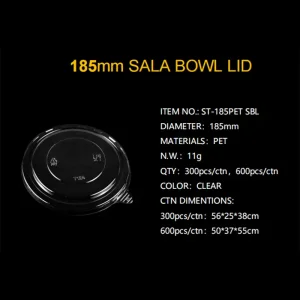
Custom PP185 salad bowl lid can withstand high temperatures Manufacturers, Suppliers
 Santai Plastic