Precision-engineered components, food-grade safe vessels, and thermal-resistant assemblies fabricated to exact international tolerances.
The contemporary global supply chain demands unprecedented agility, flawless structural integrity, and strict biochemical compliance from packaging configurations. As specialized flexible packaging manufacturers and high-capacity thermoforming factories, the integration of advanced raw materials science with lean manufacturing execution determines market performance. Packaging is no longer an inert layer; it is an active variable governing oxygen transmission rates (OTR), water vapor transmission rates (WVTR), extended shelf life, and brand equity metrics. This technical whitepaper details the structural dynamics, micro-material configurations, and supply paradigms defining today’s premium industrial food, beverage, and medical packaging frameworks.
Guangdong Santai Plastic Industry Co., Ltd. officially embarked on its entrepreneurial journey in 2010 and has been deeply involved in the plastic product manufacturing sector for over a decade. Starting as a small production enterprise, it has gradually grown into a highly influential beverage packaging solution provider in the region. The company's factory is located at No.5, Xinjiang Village Industrial Zone, Changning Town, Boluo County, Huizhou City, Guangdong Province. The corporate email is [email protected]. Covering an area of over 26,500 square meters, the production space is well-organized with complete supporting facilities, providing solid support for large-scale production and high-quality product output.
Looking back at Santai Plastic's corporate history, its growth trajectory is marked by relentless perseverance. In the early days, the company barely started with just two basic production machines. Facing multiple challenges like limited equipment, insufficient production capacity, and low market recognition, the team remained committed to quality standards, gradually accumulating experience through simple processing of single product categories. As market demand expanded and technical capabilities improved, the company continuously increased equipment investment and technological upgrades. After years of development, it now operates 30 thermoforming production lines and 20 extrusion production lines, achieving leapfrog growth in equipment scale.

Analyzing the operational, fiscal, and logistical factors that place Chinese advanced polymer ecosystems at the vanguard of the global market.
Chinese production corridors integrate raw chemical polymer synthesizing directly with sheet extrusion, thermoforming, and multi-color rotogravure printing, eliminating external middle-tier margin stacks.
Transitioning from low-tech facilities to advanced modern large-scale manufacturing allows for real-time German-engineered CNC molds and sub-millimeter tolerances on specialized high-speed multi-station machines.
Production efficiency and product precision have improved simultaneously. Standardized cleanrooms with constant temperature and humidity control, high-efficiency air purification, and precision testing ensure flawless quality.
The operational capacity of Guangdong Santai Plastic Industry Co., Ltd. demonstrates this industrial maturation. Operating 30 custom thermoforming production lines and 20 heavy extrusion configurations allows the facility to seamlessly bridge the gap between high-volume, low-margin standard production runs and complex, customized multi-layer polymer designs. This balanced manufacturing capability ensures that whether an international brand requires highly specialized flexible packaging structures or precision-molded functional rigid lidding components, structural output remains optimized across every parameter.

The transition from a basic workshop setup operating only two traditional machines to an advanced industrial infrastructure underlines our commitment to technical progress. Modern packaging requires deep expertise across diverse polymer matrices, ensuring each compound is processed at optimal thermodynamic thresholds.
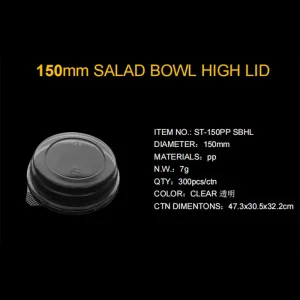
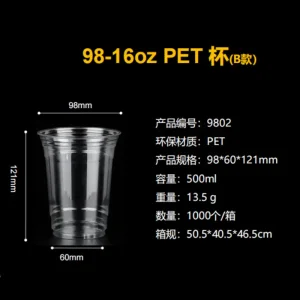
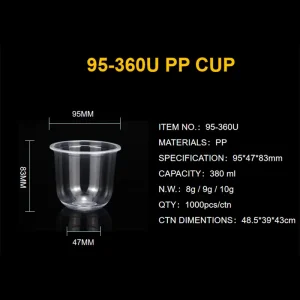
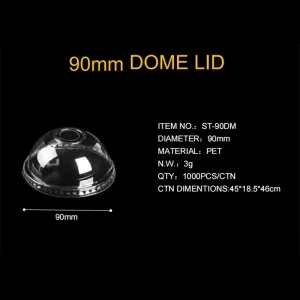
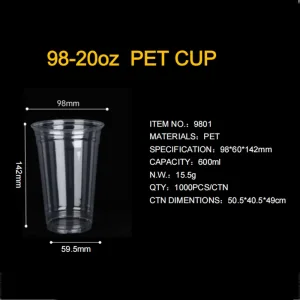
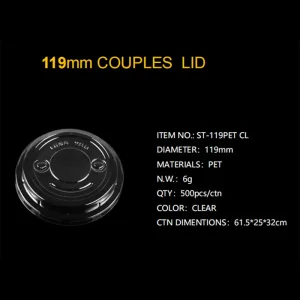
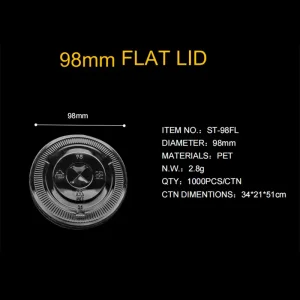
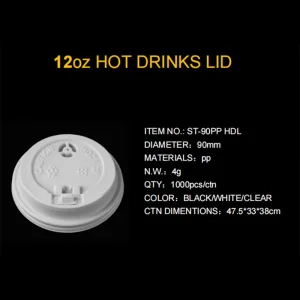
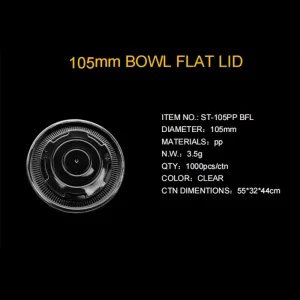
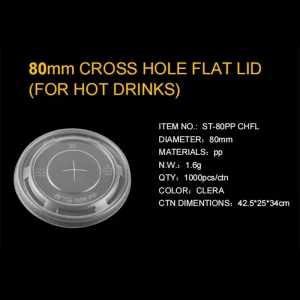
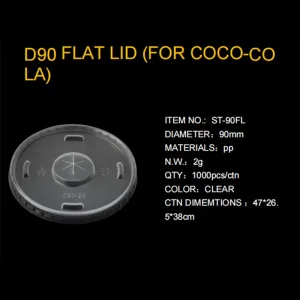
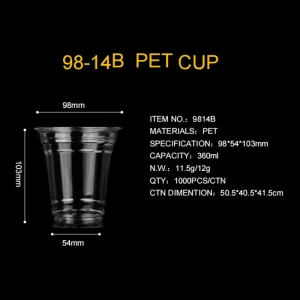
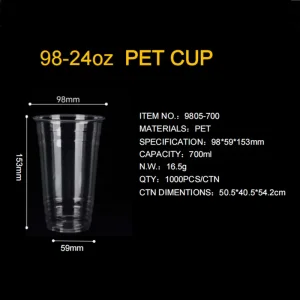
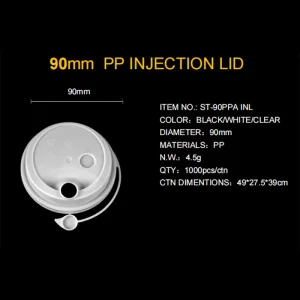
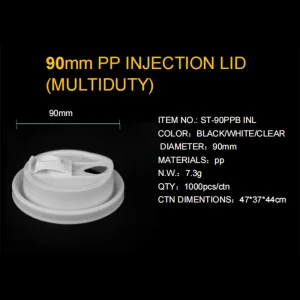
Our product range has expanded to cover the entire spectrum of beverage and consumer packaging. This includes PET cold drink cups, PET cup lids, PP cups, PP cup lids, PS cup lids, injection-molded cups, injection-molded lids, PLA straws, PP straws, and paper straws, comprehensively meeting diverse needs in catering, beverage chains, and other high-throughput commercial scenarios. By mastering both rigid polymers and flexible composite properties, our manufacturing facility delivers customized products optimized for the rigorous demands of automated high-speed filling lines.
An objective, information-rich synthesis of evolving regulatory frameworks, polymer modifications, and market preferences.
Historically, flexible barriers relied heavily on complex multi-layer laminates combining distinct classes of polymers (e.g., PET/AL/PE) to protect contents from gas and moisture. While effective for barrier performance, these mixed-material configurations are virtually impossible to recycle through standard mechanical processes. The modern packaging sector is undergoing a major paradigm shift toward high-barrier mono-materials, specifically oriented PP or PE films. These structures achieve excellent barrier protection through ultra-thin vacuum-deposited inorganic coatings (such as Al2O3 or SiOx) while remaining fully compatible with single-stream recycling systems.
To reduce reliance on fossil-fuel feedstocks, advanced research is focused on scaling up bio-based alternatives like Polylactic Acid (PLA), Polyhydroxyalkanoates (PHA), and bio-PP. These materials provide functional profiles that closely mirror traditional thermoplastics while offering compostability or lower carbon footprints. For instance, PLA formulations are widely utilized in quick-service beverage accessories and thin-film wraps, offering excellent tensile strength and premium transparency.
The integration of functional diagnostic elements directly into structural packaging substrates is expanding rapidly. This includes embedded oxygen-scavenging layers, anti-microbial coatings, and printable QR codes linked to real-time supply chain transparency databases. These technologies protect product integrity, extend standard shelf life, and provide brands with detailed metrics on regional consumption patterns.
Integrating environmental stewardship directly into large-scale production paradigms through green energy and advanced material science.
As a growing enterprise, Santai Plastics has consistently integrated social responsibility into its development strategy, with sustained efforts in environmental protection. The company actively develops and promotes eco-friendly products, including PLA and paper straws, while progressively adopting recyclable PET and biodegradable PP materials for cup production to reduce traditional plastics' environmental impact. Additionally, it drives green production upgrades by installing solar power systems to supply clean energy for workshops and offices, significantly cutting annual carbon emissions. The company also optimizes wastewater and exhaust gas treatment processes to achieve resource recycling, demonstrating its commitment to "low-carbon manufacturing" and setting an industry benchmark for sustainable development.
Our standardized production plants maintain 26,500 square meters of highly optimized operating configurations, handling comprehensive material conversions cleanly while ensuring zero toxic emission bypass. By aligning energy conservation with cutting-edge material engineering, we guarantee that all high-volume procurement contracts minimize overall scope-3 environmental impacts for our global corporate partners.


Tailored packaging engineering deployed across distinct commercial frameworks and demanding environmental matrices.
Modern packaging deployment requires customized optimization based on precise environmental conditions, logistics systems, and regional market needs. A one-size-fits-all manufacturing model cannot satisfy the complex operational demands of diverse global industries. Below, we break down our targeted product engineering across key market categories:
For multinational beverage brands and corporate coffee networks, structural stability and consistent sealing performance are critical. Slight dimensional variances can stall automated lidding systems and cause significant down-time. Our injection-molded caps and thermoformed cups feature precise perimeter tolerances, ensuring seamless integration with high-speed automated dispensers.
Thermal stability is a non-negotiable requirement for modern ready-to-eat culinary distribution and quick-service operations. Using customized crystalline PP polymer modifications, our bowls, lids, and barriers handle temperatures exceeding 100°C without risk of structural deformation or hazardous chemical migration, remaining safe for microwave reheating.
Cross-border distribution channels subject retail packaging to severe mechanical stresses, drop impacts, and sudden barometric fluctuations. Our multi-layer film packaging and impact-resistant cup assemblies are engineered with high tensile strength and flexible seals, ensuring product integrity throughout extended transit routes.
True verification of E-E-A-T principles through documented real-world client performance reviews.
Santai's products demonstrate exceptional stability during transit, remaining intact even after long-haul shipping. Their dimensional precision perfectly matches our equipment, significantly reducing operational losses.
The PLA straws fully comply with EU environmental regulations and have been warmly received in the local market. Santai's R&D capabilities and delivery efficiency far exceed our expectations, making them a reliable long-term partner.
From sample production to mass manufacturing, Santai's team has impressed with their responsiveness and professionalism. Despite the time difference, communication remains efficient and problem-solving is prompt and thorough.
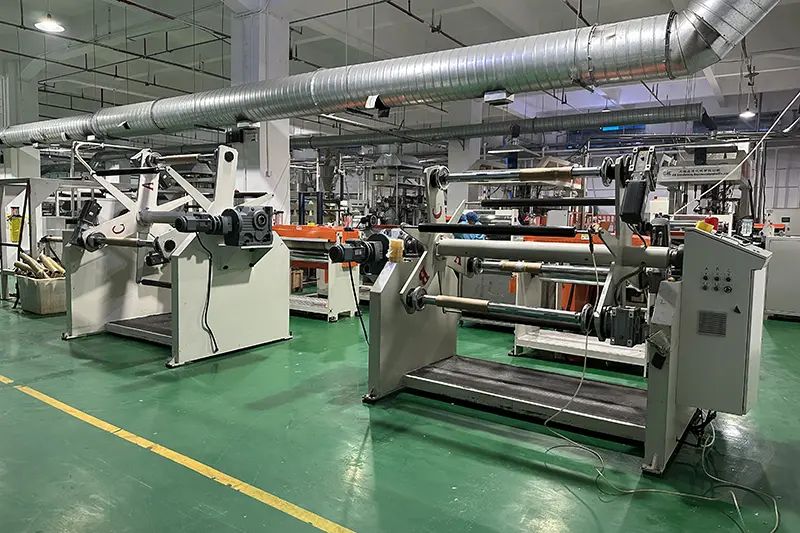
The company operates standardized cleanrooms with constant temperature and humidity control, equipped with high-efficiency air purification systems and precision testing equipment. This ensures product hygiene and safety from production source, guaranteeing each batch meets national food contact material safety standards, earning trust from customers and consumers.
Every layer of material used in our custom flexible packaging processes and rigid components undergoes rigorous chemical screening to ensure total absence of heavy metals, unlinked monomers, and toxic plasticizers. This strict quality oversight allows international brands to navigate complex cross-border customs regulations and food-contact compliance inspections seamlessly.
In-depth, professional answers addressing core concerns in global packaging procurement and polymer engineering.
Explore our complete manufacturing spectrum, engineered to provide unparalleled barrier safety and structural consistency globally.
 Santai Plastic