Home >
PP Lid >
China PP90 Multifunctional Caps Factory: Heat-Resistant, Durable, and Eco-Friendly Solutions from Trusted Suppliers
1 / 1
China PP90 Multifunctional Caps Factory: Heat-Resistant, Durable, and Eco-Friendly Solutions from Trusted Suppliers
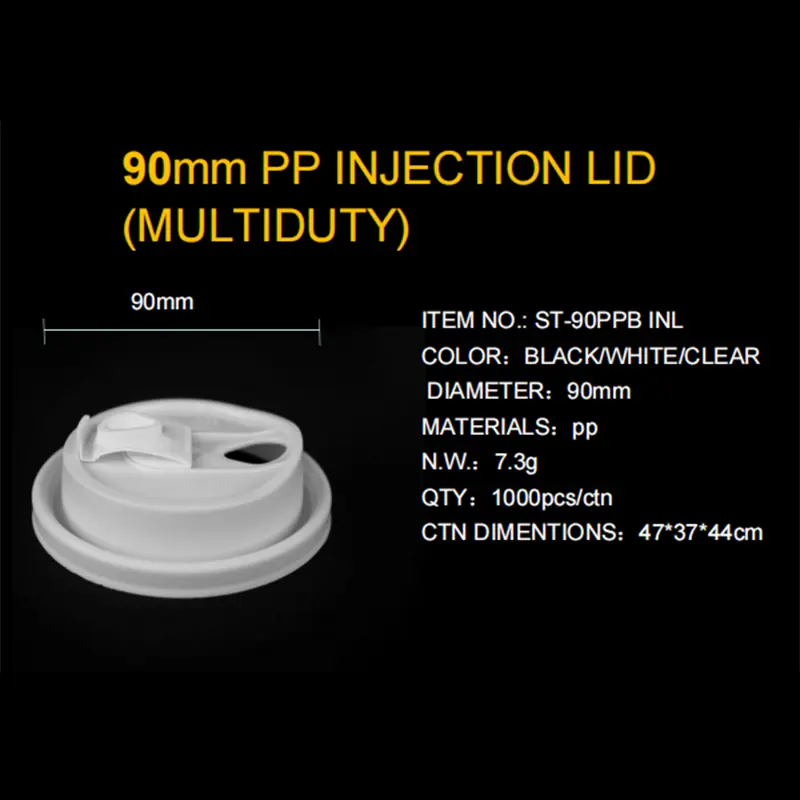
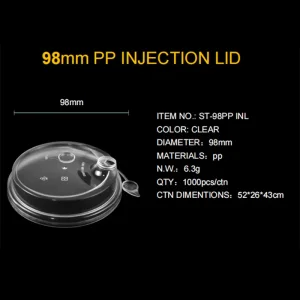
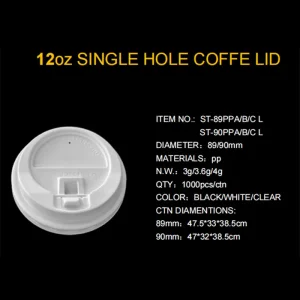
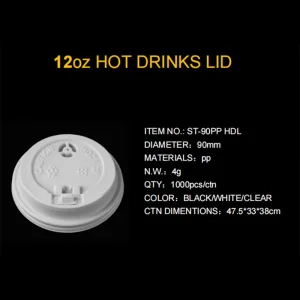
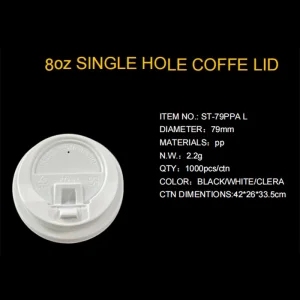
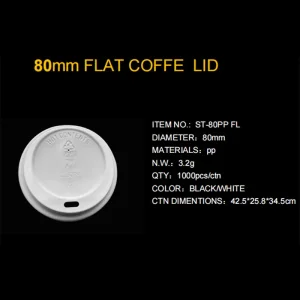
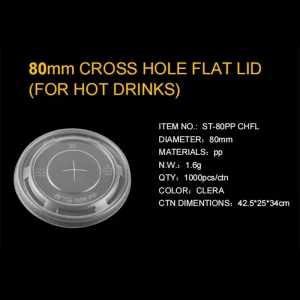
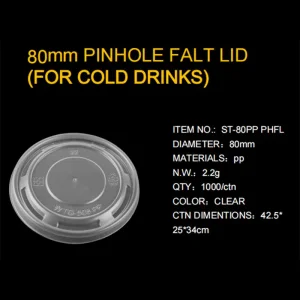
PP (polypropylene) injection-molded caps are highly sought after in multiple sectors, including cosmetics, food, and home appliances. Manufactured in China by leading suppliers and factories, these caps are renowned for their lightweight nature, heat resistance, and robust chemical resistance. These essential properties make them perfect for packaging products that demand durability and safety, In the cosmetics industry, PP caps are favored for their ability to resist deformation, even with frequent handling, ensuring that premium beauty products retain their quality. For the food sector, these caps offer excellent barrier protection against moisture and chemicals, which plays a critical role in maintaining the freshness and safety of packaged items. In the home appliance market, PP caps are incorporated into components that must endure varying temperatures and resist wear, thereby enhancing the longevity and reliability of household goods, Furthermore, the recyclability of polypropylene supports global sustainability initiatives, making it an environmentally friendly choice for manufacturers. By sourcing from China, suppliers can guarantee high-quality PP caps that meet the demands of various industries while contributing to eco-conscious practices
PP injection molded caps are used in food packaging, daily-use containers, and industrial components, focusing on process parameters and defect control. Key applications include:
Food packaging: Bottle caps for mineral water and condiments, meeting food safety standards.
Daily-use containers: Cosmetic bottle caps and stationery box latches, emphasizing appearance and sealing.
Industrial components: Electronic device casings and automotive parts, requiring high dimensional stability.
Feature
High-end 3D flexible robotic cutting systems offer precision and efficiency for bevel cutting, using servo positioning technology for real-time adjustments. Key benefits include:
Precise alignment between pipe and torch.
Optimal cutting angles and smooth transitions.
Ideal for aerospace, automotive, and heavy machinery industries.
State-of-the-art sensors and control algorithms for flexibility and adaptability.
Frequently Asked Questions
Q1 What are the main applications of PP injection molded caps?
PP injection molded caps are widely used across three main sectors: food packaging (such as mineral water and condiment bottle caps), daily-use containers (such as cosmetic bottle caps and stationery box latches), and industrial components (such as electronic device casings and automotive parts).
Q2 Why is PP material preferred for food packaging caps?
PP (polypropylene) is preferred for food packaging caps because it meets food safety standards, is non-toxic, resistant to moisture and chemicals, and can withstand a range of temperatures. It also offers excellent sealing performance to preserve product freshness.
Q3 What industries benefit most from high-end 3D flexible robotic cutting systems?
The aerospace, automotive, and heavy machinery industries benefit most from high-end 3D flexible robotic cutting systems. These sectors require high precision, consistent quality, and complex bevel cutting capabilities that robotic systems are specifically designed to deliver.
Q4 How does servo positioning technology improve robotic cutting performance?
Servo positioning technology enables real-time adjustments during the cutting process, ensuring precise alignment between the pipe and torch at all times. This results in optimal cutting angles, smooth transitions between cuts, and significantly reduced material waste or errors.
Q5 What factors are critical in the injection molding process for PP caps?
Key process parameters include mold temperature, injection pressure, cooling time, and material flow rate. Proper control of these factors is essential to minimize defects such as warping, sink marks, or incomplete filling, and to ensure consistent dimensional stability across all produced caps.
Q6 What role do sensors and control algorithms play in 3D robotic cutting systems?
State-of-the-art sensors continuously monitor the cutting environment and feed data to advanced control algorithms, which make real-time adjustments to maintain accuracy and consistency. This combination ensures the system remains flexible and adaptable to varying material types, thicknesses, and complex geometries.
 Santai Plastic