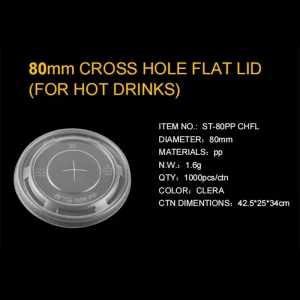
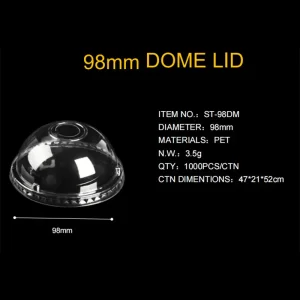
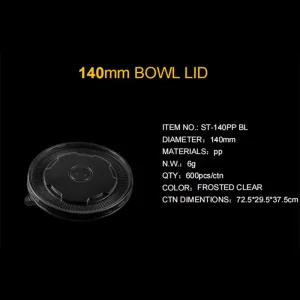
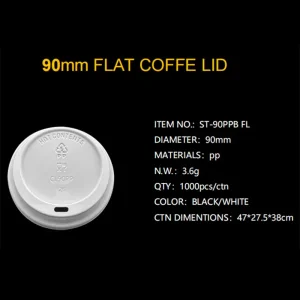
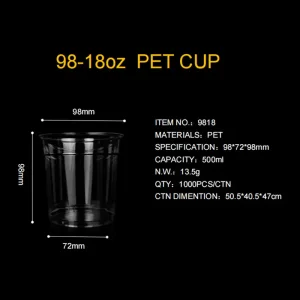
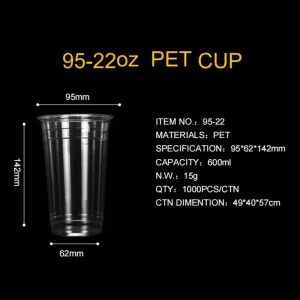
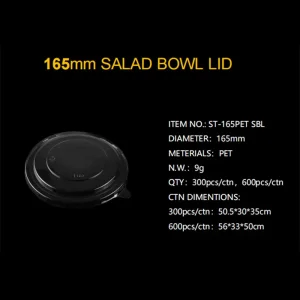
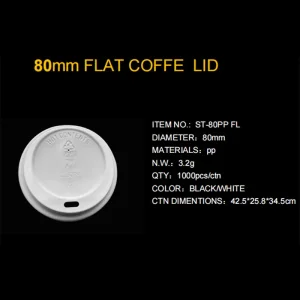
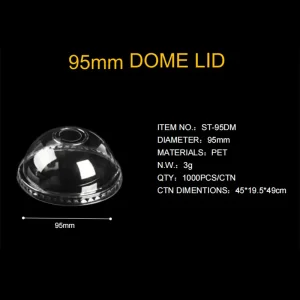
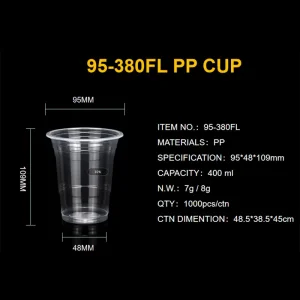
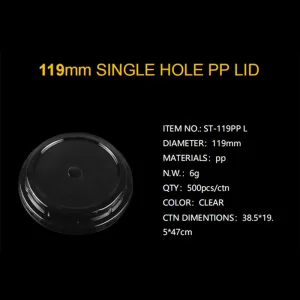
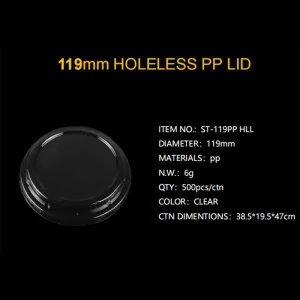
Customized heat-resistant, high-barrier thermoformed blister cups, specialized cross-hole coffee lids, and high-transparency PET packaging engineered to optimize automatic packaging lines.
The global tea and beverage packaging paradigm is undergoing a massive structural shift. Traditional loose leaf tea and simple single-chamber paper tea bags are rapidly transforming into customized, system-based solutions. As premium tea chains and RTD (Ready-To-Drink) retail setups demand higher flavor preservation, raw material stability, and carbon-efficient packaging, manufacturers look toward complex plastic polymer frameworks and PLA-based alternatives.
Today, the industry uses high-precision co-extrusion thermoforming technology. Advanced materials such as Polypropylene (PP), Crystalline PET (CPET), and Polylactic Acid (PLA) are used to manufacture highly structured cups and lidding configurations. These formats guard volatile aromatic oils from oxygenation and prevent hydrolytic degradation, maintaining tea freshness through long-haul logistics.

Understanding technical specifications, supply stability, and microplastics legislation across regional compliance structures.
For tea brewing operations, packaging elements like PP blister cups and specialized cup lids must withstand extraction temperatures ranging from 85°C to 100°C. Raw materials must be carefully formulated to ensure zero warpage and maintain food-contact compliance under high heat.
High-speed automated tea filling lines rely on consistent physical dimensions. Variations of even 0.1mm in rim diameter or flange thickness can cause sealing failures, machine downtime, or package leakage. Precision tooling is essential for maintaining reliable operations.
Global brands must comply with local single-use plastic laws, such as the EU's plastic directives. This requires suppliers to offer certified PLA (Polylactic Acid), paper fiber alternatives, and post-consumer recycled (PCR) PET that meet global standards.

Guangdong Santai Plastic Industry Co., Ltd. officially embarked on its entrepreneurial journey in 2010 and has been deeply involved in the plastic product manufacturing sector for over a decade. Starting as a small production enterprise, it has gradually grown into a highly influential beverage packaging solution provider in the region. The company's factory is located at No.5, Xinjiang Village Industrial Zone, Changning Town, Boluo County, Huizhou City, Guangdong Province. The corporate email is [email protected]. Covering an area of over 26,500 square meters, the production space is well-organized with complete supporting facilities, providing solid support for large-scale production and high-quality product output.
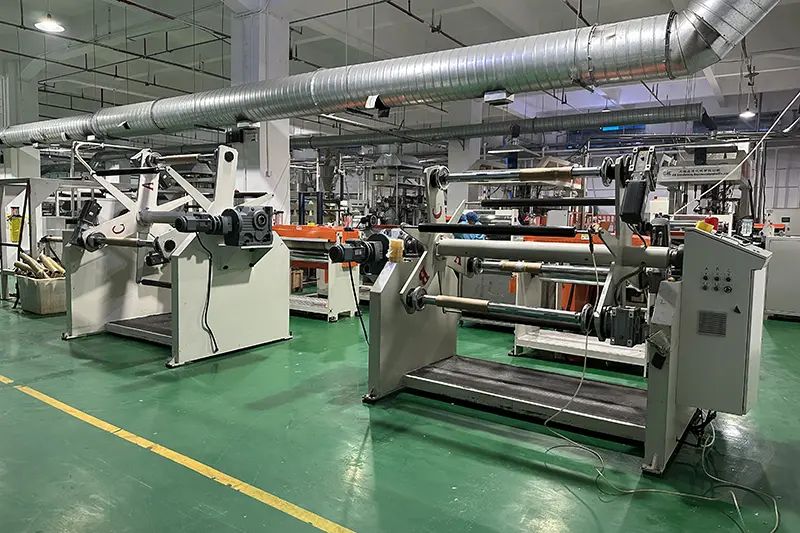
Looking back at Santai Plastic's corporate history, its growth trajectory is marked by relentless perseverance. In the early days, the company barely started with just two basic production machines. Facing multiple challenges like limited equipment, insufficient production capacity, and low market recognition, the team remained committed to quality standards, gradually accumulating experience through simple processing of single product categories. As market demand expanded and technical capabilities improved, the company continuously increased equipment investment and technological upgrades. After years of development, it now operates 30 thermoforming production lines and 20 extrusion production lines, achieving a leapfrog growth in equipment quantity.
Applying modern automation, digital inventory management, and raw material processing to stabilize global packaging supply chains.
Santai Plastics transitioned from a small-scale workshop to a modern, large-scale manufacturer. Our operational infrastructure includes 30 automated thermoforming lines and 20 extrusion lines. This capacity allows us to run continuous production schedules, helping us meet demand fluctuations and shorten lead times for global clients.
Our raw polymer material feeding is controlled by computerized gravimetric dosing systems. This system manages the ratio of virgin resin, pigments, and process additives. It helps maintain color consistency and uniform mechanical performance across production batches, which is critical for downstream high-temperature cup sealing applications.
We use inline vision systems on our thermoforming lines to inspect every cup. The software checks dimensions, flange flatness, and searches for pinhole defects in real time. Items that do not meet specifications are automatically rejected, keeping product quality consistent before shipment.
Integrating renewable energy, bio-based materials, and dust-free environments to meet strict international standards.
As a growing enterprise, Santai Plastics has consistently integrated social responsibility into its development strategy, with sustained efforts in environmental protection. The company actively develops and promotes eco-friendly products, including PLA and paper straws, while progressively adopting recyclable PET and biodegradable PP materials for cup production to reduce traditional plastics' environmental impact. Additionally, it drives green production upgrades by installing solar power systems to supply clean energy for workshops and offices, significantly cutting annual carbon emissions. The company also optimizes wastewater and exhaust gas treatment processes to achieve resource recycling, demonstrating its commitment to "low-carbon manufacturing" and setting an industry benchmark for sustainable development.
Additionally, strict compliance with food-grade production standards: The company operates standardized cleanrooms with constant temperature and humidity control, equipped with high-efficiency air purification systems and precision testing equipment. This ensures product hygiene and safety from production source, guaranteeing each batch meets national food contact material safety standards, earning trust from customers and consumers.
Our factory roof is fitted with a solar power system. This installation reduces our grid dependency and decreases the carbon footprint of our thermoforming processes.
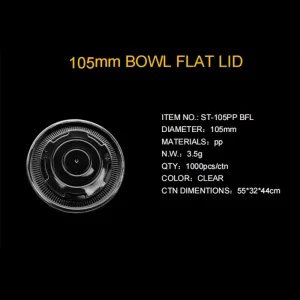
We manufacture food-contact items, like coffee lids and blister cups, in cleanrooms with constant temperature and humidity. High-efficiency air filtration helps protect products from contamination.
We work with biodegradable polymers like PLA and starch-based resins. Our engineering team researches material compositions to balance heat resistance with fast composting times.
Customized packaging systems designed to perform under diverse operating conditions around the world.
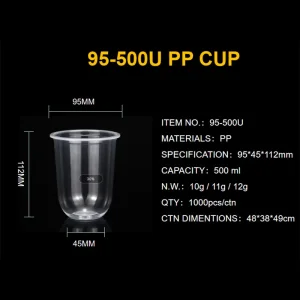
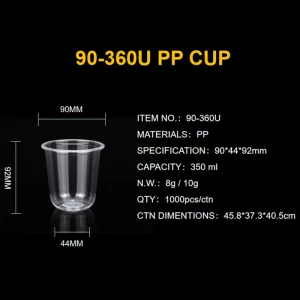
Beverage brands in hot, humid regions require packaging with strong structural integrity. Our PP95-500U and PP90 series are designed to remain rigid under high ambient temperatures, and their dimensional stability prevents sealing leaks during distribution.
In regions with strict plastic regulations, we supply certified PLA and recyclable PET cups. These materials help brands comply with regional waste-management directives while maintaining clarity and performance.
QSR chains in these regions require high-volume, rapid-delivery packaging. Our automated logistics and large-scale manufacturing capacity help us consistently fulfill large orders under tight schedules.
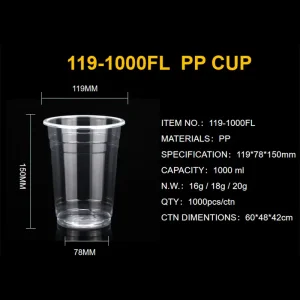
Our secondary selection of high-transparency cold drink cups, flat-bottomed thermoformed cups, and cleanroom-manufactured lids.
Answers to common technical, structural, and logistical questions from global buyers and packaging engineers.
 Santai Plastic