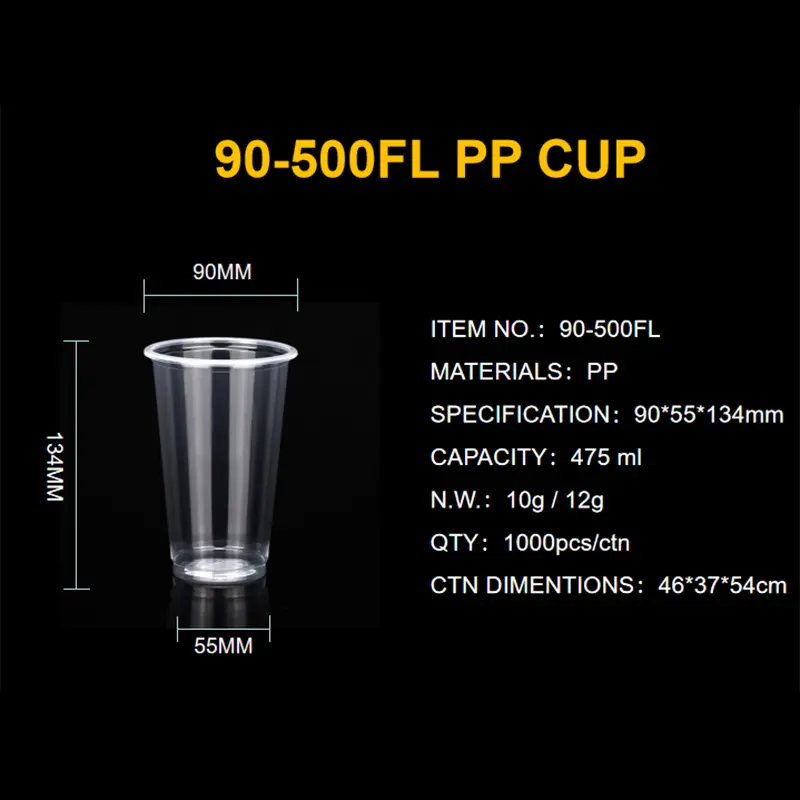
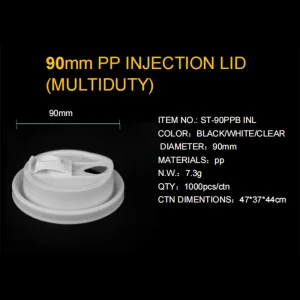
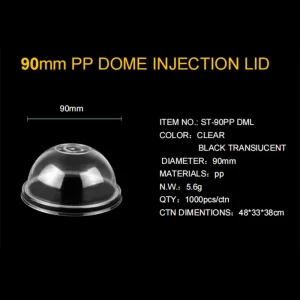
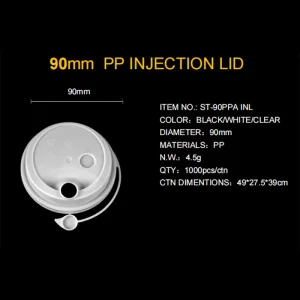
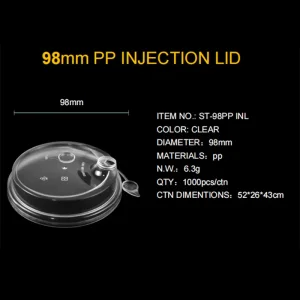
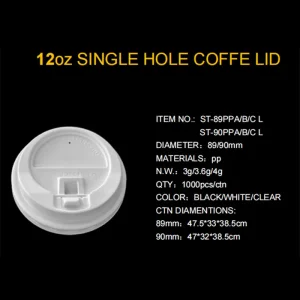
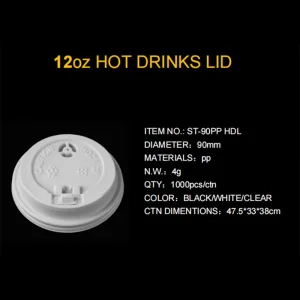
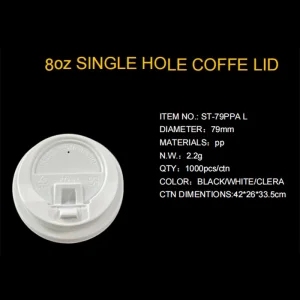
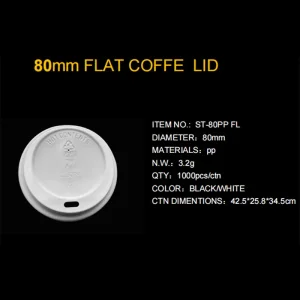
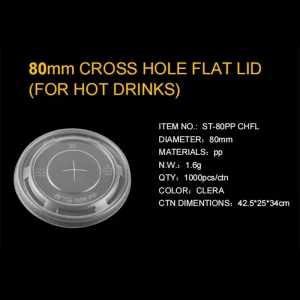
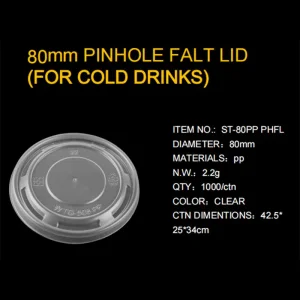
Polypropylene (PP) meets FDA and EU food safety standards, ensuring non-toxicity and chemical inertness. Used in films, containers, trays, and medical/pharmaceutical packaging, PP's durability, heat resistance, and aesthetic appeal enhance product presentation and shelf life.
FDA Compliant
EU Food Safety
Recyclable
-20°C to 135°C
- ✅High tensile strength & impact resistance
- 🌡️Temperature tolerance from -20°C to 135°C
- 💧Moisture-proof & low permeability
- ♻️Fully recyclable material
- 🛡️Non-toxic & chemically inert
- 📦Versatile: films, containers, trays & more
❓ Frequently Asked Questions
1. Is PP packaging safe for food contact?
Yes. Polypropylene (PP) meets both FDA and EU food safety standards. It is non-toxic and chemically inert, making it one of the safest plastics for direct food contact applications including containers, trays, and films.
2. Can PP lids be used in a microwave?
Yes. PP lids are specifically designed for microwave use. They withstand high temperatures without melting or warping, retain steam for more efficient cooking, and ensure even heat distribution for uniform results.
3. What temperature range can PP packaging withstand?
PP packaging offers excellent temperature tolerance, performing reliably from -20°C up to 135°C. This makes it suitable for both freezer storage and microwave or hot-fill applications.
4. Is PP packaging recyclable and environmentally friendly?
Yes. PP is a fully recyclable thermoplastic (resin code #5). Ongoing innovations in PP packaging focus on improving sustainability, enhancing barrier properties, and developing new eco-friendly functionalities to reduce environmental impact.
5. What industries use polypropylene packaging?
PP is widely used across numerous industries including food packaging, medical and pharmaceutical, automotive, home appliances, construction, electronics, textiles, and agriculture — thanks to its lightweight nature, chemical resistance, and versatile processing properties.
6. Does PP packaging affect the taste or smell of food?
No. PP is non-reactive and does not absorb odors or flavors. It preserves the food's natural taste, fresh scent, and nutritional value, ensuring that the quality of the contents remains unaffected throughout storage and heating.
 Santai Plastic