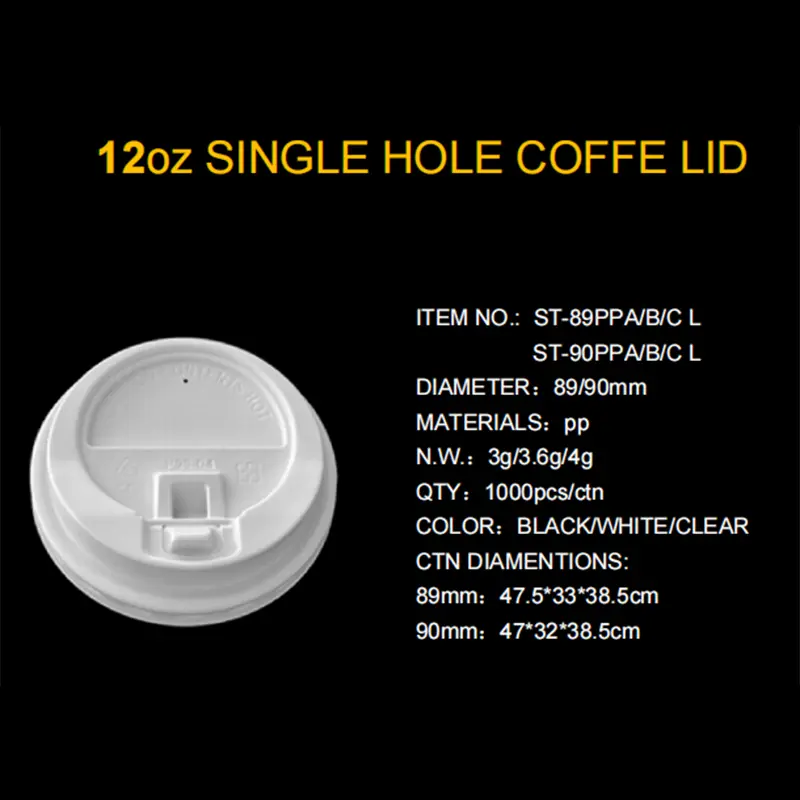
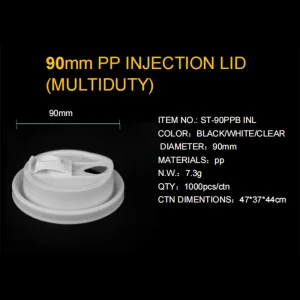
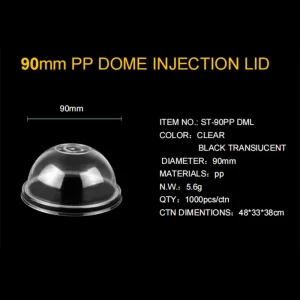
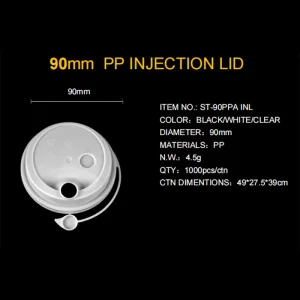
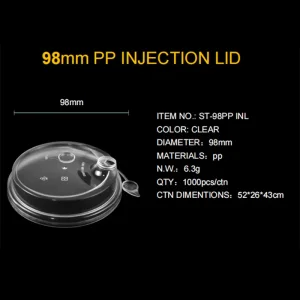
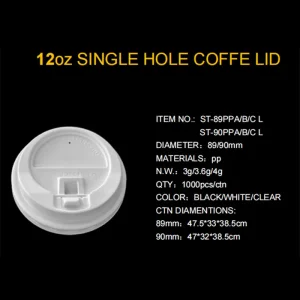
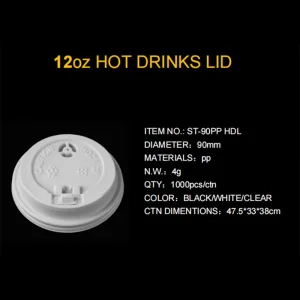
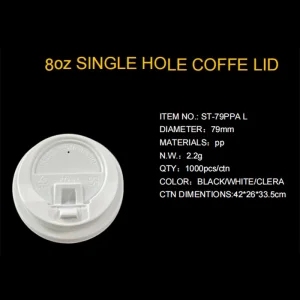
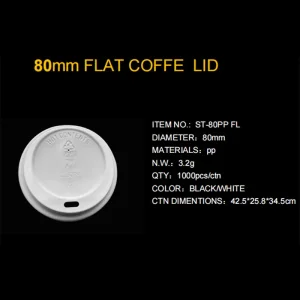
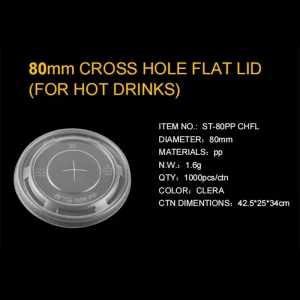
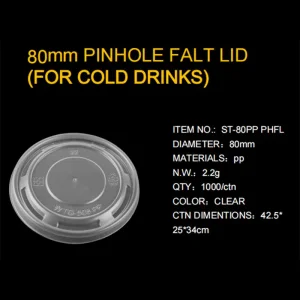
China Suppliers PP12 Single Hole Coffee Shop Vacuum Packaging Factory for High-Temperature Durability and Quality

,

As a leading China supplier of vacuum-formed products, our factory specializes in high-end packaging solutions using premium materials like PVC, PET, PP, PS, GAG, and flocking. These materials are ideal for diverse applications, including electronics, stationery, toys, hardware, food, and daily chemicals. Key attributes of our materials include PVC for flexibility and transparency, PET for strength and excellent barrier properties, and PP for superior heat and chemical resistance. Additionally, PS offers a glossy finish while GAG enhances thermal stability. Our vacuum packaging solutions are not only cost-effective but also significantly extend product shelf life and elevate aesthetic appeal, making them a smart choice for businesses looking to enhance their offerings.

,

Product Description

Product Advantages
Key Benefits
Vacuum forming packaging is an important packaging technology that offers functions such as enhancing product price and image, displaying and protecting products, separating, cushioning, and supplementing. It is widely used in small items like food, electronic products, small toys, stationery, cosmetics, etc., to improve market competitiveness.
Feature
Highlights
PP vacuum forming is environmentally friendly, aesthetically pleasing, and suitable for various printing methods like screen and offset printing, gold foil stamping. It offers high transparency, flexibility, and temperature resistance, making it ideal for diverse applications including food safety and microwave use.
Introduction
Overview
Thermoforming packaging uses heated plastic sheets shaped over molds to create durable, flexible, and environmentally friendly containers. Key materials include PVC, PET, PP, PS, and eco-friendly options, each suited for specific applications like medical, food, and automotive industries. Production involves mold making, heating, vacuum forming, and trimming.
Frequently Asked Questions
Q What is vacuum forming packaging and how does it work?
Vacuum forming packaging is a process where a plastic sheet is heated until pliable, then stretched over a mold and held in place using vacuum pressure. Once cooled, the plastic retains the shape of the mold, creating a custom packaging solution ideal for protecting and displaying products.
Q What types of products are best suited for vacuum forming packaging?
Vacuum forming packaging is widely used for small consumer goods including food items, electronic products, small toys, stationery, and cosmetics. It is especially effective for products that require clear visibility, product protection, and an appealing shelf presentation.
Q What materials are commonly used in thermoforming packaging?
Common materials include PVC (polyvinyl chloride), PET (polyethylene terephthalate), PP (polypropylene), PS (polystyrene), and various eco-friendly biodegradable options. Each material is selected based on the specific requirements of the application, such as food safety compliance, temperature resistance, or optical clarity.
Q Is PP vacuum forming packaging food-safe and microwave-safe?
Yes, PP (polypropylene) vacuum forming packaging is food-safe and can typically withstand microwave use due to its high temperature resistance. It is also non-toxic, environmentally friendly, and complies with food-grade safety standards, making it a popular choice for food and beverage packaging.
Q What printing methods are compatible with PP vacuum forming packaging?
PP vacuum forming packaging supports a variety of printing methods including screen printing, offset printing, and gold foil stamping. These options allow for high-quality, vibrant branding and product information to be applied directly to the packaging, enhancing visual appeal and brand recognition.
Q What are the main steps involved in the thermoforming packaging production process?
The thermoforming packaging production process generally involves four key stages: mold design and fabrication, heating the plastic sheet to the appropriate forming temperature, vacuum forming the heated sheet over the mold to achieve the desired shape, and finally trimming and finishing the formed packaging to meet exact specifications.

Related Products